Healing Starts with Movement

Why Strength Training Boosts Mental Health
  Why Strength Training Boosts Mental Health


  Why Strength Training Boosts Mental Health

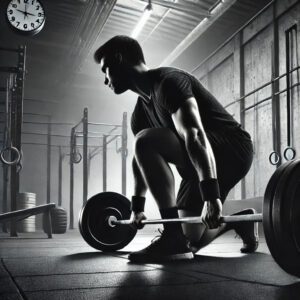
When most people think of strength training, they focus on muscle growth, fat loss, or physical performance. But beyond the visible benefits, why strength training boosts mental health is a question that deserves more attention. Research shows that lifting weights and building strength does more than change your body – it reshapes your mind, reduces stress, and improves overall emotional well-being. At SoleFitness,  we emphasize fitness as a complete lifestyle that balances body and mind.


How Strength Training Reduces Stress and Anxiety

One of the main reasons why strength training boosts mental health is its effect on stress reduction. Strength training triggers the release of endorphins, the brain’s natural mood enhancers. These “feel-good” hormones help reduce anxiety, ease depression, and create a sense of calm after every workout. Studies show that people who engage in resistance training experience lower levels of cortisol, the body’s primary stress hormone.

At SoleFitness, we encourage consistent training schedules that not only transform your physique but also help you manage the challenges of everyday life.


Why Strength Training Boosts Mental Health Through Confidence

Another reason why strength training boosts mental health is the confidence it builds. Every time you progress with heavier weights or achieve new personal records, you develop a stronger sense of accomplishment. This translates into higher self-esteem and resilience in other areas of life.

Whether you are training with equipment from Sole Fitness or following structured workout programs from Sole Fitness, the consistent progress you make will boost your confidence both in and out of the gym.


The Role of Strength Training in Better Sleep and Focus

Sleep and concentration are crucial to mental health. A consistent strength training routine helps regulate your sleep cycle, leading to deeper rest and better recovery. In addition, lifting weights improves focus and mental clarity by sharpening your ability to set goals and remain disciplined – two key ingredients for mental resilience.

At Sole Fitness we highlight how proper fitness routines can support productivity in your daily life.


Internal and External Links


FAQs on Why Strength Training Boosts Mental Health

1. Can strength training help with depression?
Yes, studies show strength training significantly reduces symptoms of depression by releasing endorphins and improving mood.

2. How often should I do strength training for mental health benefits?
Aim for at least 2–3 sessions per week to experience noticeable improvements in both physical and mental health.

3. Does strength training improve brain function?
Yes, strength training enhances memory, focus, and problem-solving by boosting blood flow and brain health.

4. What equipment do I need to start?
Basic equipment like dumbbells, resistance bands, or machines from SoleFitness  is enough to begin.


 Final Takeaway:
Why strength training boosts mental health goes beyond the gym mirror – it’s about building confidence, reducing stress, improving sleep, and enhancing focus. At  SoleFitness, we believe in the power of fitness not only to strengthen your body but also to transform your mind.
 

best treadmill machine1

  Benefits of Morning Workouts

Benefits of Morning Workouts

  Benefits of Morning Workouts

Starting your day with exercise offers numerous advantages, and the benefits of morning workouts go beyond just physical fitness. At SoleFitness, we emphasize the importance of building healthy fitness routines that not only help you achieve your goals but also improve your lifestyle. Incorporating morning training into your schedule can set a positive tone for the entire day while maximizing your results.


Benefits of Morning Workouts for Energy and Productivity

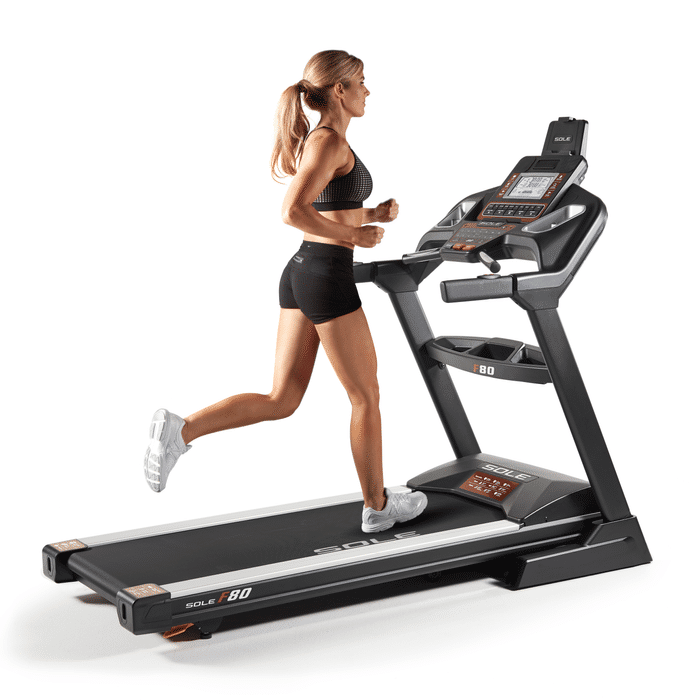
One of the major benefits of morning workouts is the boost of energy they provide. Exercising early in the day improves blood circulation, increases focus, and enhances productivity levels. Whether you’re lifting weights on your SoleFitness treadmill or doing cardio with a bike from  your body will release endorphins that fuel you with positivity throughout the day.

👉 Check our Sole Fitness blog for tips on building consistent training habits.


Benefits of Morning Workouts for Weight Loss

If your goal is fat loss, the benefits of morning workouts are even greater. Training on an empty stomach, also known as fasted cardio, can help increase fat burning. Using SoleFitness ellipticals  in the morning helps kickstart metabolism and ensures more calories are burned throughout the day.

Explore more about effective gym routines in our SoleFitness guide.


Benefits of Morning Workouts for Discipline and Routine

Another powerful advantage of morning workouts is the discipline they instill. By starting the day with exercise, you eliminate the risk of skipping workouts due to work stress or evening fatigue. At  SoleFitness, we encourage our community to create a structured routine that guarantees long-term consistency.


Frequently Asked Questions (FAQ)

Q1: Are morning workouts better than evening workouts?
A: Both times are effective, but the benefits of morning workouts include improved energy, better fat burning, and stronger daily discipline.

Q2: What’s the best morning workout for beginners?
A: Start with light cardio on a treadmill, stationary bike, or brisk outdoor walking. You can check affordable machines at Solefitness.

Q3: How long should a morning workout be?
A: 30–45 minutes is enough to reap the benefits of morning workouts, but consistency matters more than duration.


Healing Starts with Movement

Best Exercise for Stress Relief

Best Exercise for Stress Relief

   Best Exercise for Stress Relief

When life gets overwhelming, the best exercise for stress relief can do more than just strengthen your body – it can also calm your mind and bring balance back into your day. At SoleFitness, we believe that fitness is not only about building muscles but also about improving mental well-being. Whether you’re working out at the gym or at home, choosing the best exercise for stress relief can help you feel more relaxed, energetic, and in control of your life.

Why Exercise is the Best Stress Reliever

Physical activity triggers the release of endorphins, the “feel-good” hormones that naturally reduce anxiety and boost mood. The best exercise for stress relief doesn’t always need to be intense; even moderate movement helps regulate cortisol (the stress hormone) and improves sleep quality. Consistency is more important than intensity when it comes to stress management.


H2: Cardio Workouts – The Best Exercise for Stress Relief

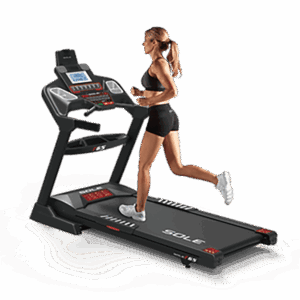
Aerobic workouts like running, cycling, or using a treadmill are often considered the best exercise for stress relief. Cardio increases blood flow, clears your mind, and helps reduce nervous tension. If you have a treadmill or stationary bike at home from SoleFitness, you already have everything you need to start a stress-busting routine.


H2: Yoga and Stretching – Calming Your Mind and Body

Yoga and mindful stretching are also among the bes

t exercises for stress relief, especially for those dealing with anxiety or emotional exhaustion. Gentle poses, deep breathing, and meditation create a sense of calm and help center your thoughts. At Sole fitness, we recommend integrating 15–20 minutes of yoga into your daily fitness routine.


H2: Strength Training – Channel Stress into Power

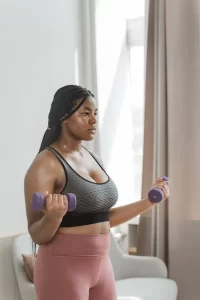
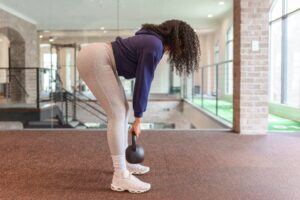
Lifting weights is another best exercise for stress relief because it channels nervous energy into focused movement. When you lift dumbbells, kettlebells, or use resistance machines, you release built-up tension in your muscles. SoleFitness equipment offers excellent solutions for safe and effective home strength training.


H2: Outdoor Workouts – Natural Stress Healing

Sometimes, the best exercise for stress relief is as simple as walking outdoors. Exposure to fresh air, sunshine, and nature improves mood while reducing feelings of stress and burnout. Pair a brisk walk with light jogging intervals for an effective, stress-busting workout.


Internal & External Links


FAQs About Best Exercise for Stress Relief

Q1: What is the best time of day to exercise for stress relief?
A: Morning workouts boost energy and set a positive tone for the day, while evening workouts help release built-up stress before bedtime.

Q2: Do I need equipment for the best exercise for stress relief?
A: Not always. Walking, yoga, and bodyweight exercises require no equipment, but cardio machines like treadmills and ellipticals enhance results.

Q3: How long should I exercise to reduce stress?
A: 20–30 minutes of moderate activity is enough to notice mood improvement and reduced stress.


Weekly Workout Plan for Beginners

Gym Etiquette Rules: The Do’s and Don’ts for Every Fitness Enthusiast


Gym Etiquette Rules


Gym Etiquette Rules

Following gym etiquette rules is essential

for creating a welcoming, safe, and respectful environment for everyone. At GateGold and SoleFitness, we believe fitness is about more than just physical strength—it’s also about community, respect, and discipline. By following proper gym etiquette rules, you’ll not only improve your own workout experience but also make the gym a better place for others.


Why Gym Etiquette Rules Matter

Understanding gym etiquette rules is about respecting both the equipment and the people around you. Without them, gyms would be chaotic, unsafe, and uncomfortable. These rules promote:

  • Cleanliness – Nobody wants to use sweaty or dirty equipment.
  • Safety – Prevents injuries and accidents during workouts.
  • Community spirit – Encourages positivity and motivation.

👉 For more on creating a positive fitness mindset, check our motivational post: You Are Worth the Sweat.


 Essential Gym Etiquette Rules to Follow

1. Wipe Down Equipment After Use

Always clean machines, benches, or mats after sweating on them. Most gyms, including GateGold’s partner facilities, provide wipes or sanitizers.

2. Re-Rack Your Weights

Never leave dumbbells, plates, or barbells lying around. Putting weights back is one of the most basic gym etiquette rules.

3. Don’t Hog the Machines

Be mindful of your time, especially during peak hours. If others are waiting, allow them to “work in” with you.

4. Respect Personal Space

Everyone values their workout space. Don’t stand too close or crowd someone while they lift.

5. Keep Noise Under Control

Grunts are normal during heavy lifts, but avoid excessive yelling or dropping weights loudly unless absolutely necessary.


 Gym Etiquette Rules for Beginners

If you’re new to fitness, learning gym etiquette rules early helps you feel more confident. Here are beginner-specific tips:

  • Ask politely before using equipment someone is near.
  • Don’t be afraid to request a spot, but always say “thank you.”
  • Avoid scrolling endlessly on machines—keep the flow going.

👉 If you’re just starting, see our guide on Gym Schedule for Weight Loss to plan your sessions effectively.


 Common Mistakes That Break Gym Etiquette Rules

  • Leaving sweat puddles on benches or mats.
  • Dropping weights unnecessarily.
  • Talking loudly on the phone while others are training.
  • Giving unsolicited advice without being asked.

👉 For more structured training, check out CrossFit vs Strength Training to decide which fits your fitness goals better.


 FAQs on Gym Etiquette Rules

Q1: Why are gym etiquette rules important?
A: They ensure safety, hygiene, and respect, making the gym enjoyable for everyone.

Q2: What’s the most common gym etiquette mistake?
A: Not re-racking weights and leaving machines sweaty are the top offenders.

Q3: Are gym etiquette rules the same everywhere?
A: While basics are universal, specific gyms (like GateGold and SoleFitness facilities) may add unique policies to maintain standards.


Conclusion

Respect, safety, and discipline are the cornerstones of fitness, which is why gym etiquette rules matter. By wiping down equipment, re-racking weights, respecting space, and avoiding distractions, you build not only a stronger body but also a stronger gym community. At GateGold and SoleFitness, we encourage every member to uphold these values and train with respect.


Sole Recumbent Bike Deep Dive

Sole Recumbent Bike Deep Dive


Sole Recumbent Bike Deep Dive

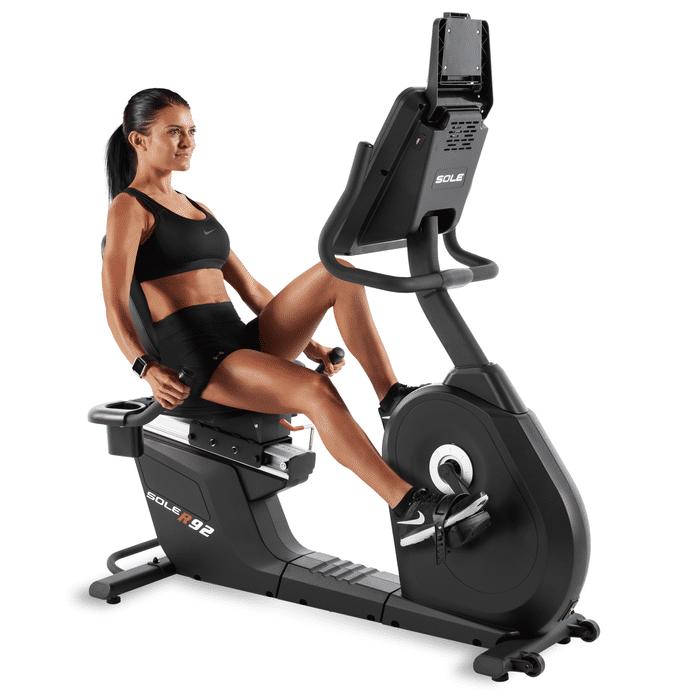
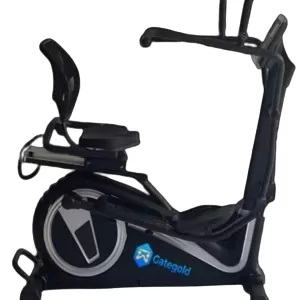
When it comes to comfortable, effective, and low-impact cardio training, the Sole Recumbent Bike Deep Dive proves why this machine is one of the best options for both beginners and seasoned fitness enthusiasts. A Sole Recumbent Bike Deep Dive reveals its design, features, and long-term benefits that make it stand out in the world of home and commercial fitness equipment. Whether you train at home with GateGold Fitness gear or explore models from SoleFitness, this guide helps you understand why the recumbent bike deserves a place in your workout routine.


Why Choose the Sole Recumbent Bike?

The Sole Recumbent Bike Deep Dive starts with understanding why this equipment is so popular. Unlike upright bikes, the recumbent bike provides excellent lumbar support, making it easier on the back and joints. This makes it perfect for people recovering from injuries, seniors, or anyone looking for a joint-friendly cardio option.

Some advantages include:

  • Ergonomic seat design with back support.
  • Low-impact cardio for knee and hip protection.
  • Smooth magnetic resistance system.
  • Quiet belt drive for home use.

Key Features of the Sole Recumbent Bike

Taking a closer look in this Sole Recumbent Bike Deep Dive, the standout features include:

  • Adjustable Seat & Backrest: Customizable for different body sizes.
  • Multiple Resistance Levels: Suitable for light recovery rides to intense endurance training.
  • Integrated Console: Tracks time, calories, heart rate, and distance.
  • Bluetooth & App Connectivity: Sync workouts with fitness apps for progress tracking.
  • Heavy Flywheel: Ensures smooth pedaling and long-lasting durability.

Benefits of Using a Sole Recumbent Bike

A Sole Recumbent Bike Deep Dive also highlights its health benefits. This machine supports:

  • Weight Loss: Consistent cardio burns calories effectively.
  • Improved Heart Health: Strengthens cardiovascular endurance.
  • Muscle Engagement: Works glutes, hamstrings, and calves.
  • Stress Relief: Lowers tension with rhythmic pedaling.

Sole Recumbent Bike vs Other Cardio Machines

When comparing in this Sole Recumbent Bike Deep Dive, here’s how it stacks up:

  • Vs. Upright Bikes: More comfortable and easier on posture.
  • Vs. Treadmills: Lower impact and joint-friendly.
  • Vs. Ellipticals: Better back support, though slightly less upper-body engagement.

For more comparisons, check out our post on Best Cardio Machines for Home Use (internal link).


Tips for Getting the Most from Your Sole Recumbent Bike

  • Warm up before every ride.
  • Maintain proper seat adjustment for posture.
  • Use interval training to burn more calories.
  • Pair workouts with strength training – see our Full Body Dumbbell Workout for ideas.

FAQs – Sole Recumbent Bike Deep Dive

Q1: Is the Sole Recumbent Bike good for beginners?
Yes, it’s excellent for beginners due to its comfortable seating and easy-to-use resistance settings.

Q2: Can I lose weight with a Sole Recumbent Bike?
Absolutely. Consistent workouts combined with a healthy diet make it effective for weight loss.

Q3: How long should I ride daily?
Start with 20–30 minutes, gradually increasing based on your fitness goals.

Q4: Is it suitable for people with back problems?
Yes, the lumbar support design makes it one of the best cardio options for individuals with back concerns.


Sole Recumbent Bike Deep Dive

Gym Schedule for Weight Loss


Gym Schedule for Weight Loss

Creating the right Gym Schedule for Weight Loss is one of the most effective ways to ensure you stay consistent, burn fat, and reach your fitness goals. Many people start their journey with motivation but quickly lose focus because they don’t follow a structured plan. At GateGold and SoleFitness, we believe that the perfect balance of cardio, strength training, and recovery days is what makes a gym schedule sustainable and effective for long-term results.


 Why a Gym Schedule for Weight Loss is Important

When you have a Gym Schedule for Weight Loss, you avoid guesswork and wasted effort. Instead of walking into the gym unsure of what to do, you follow a routine designed to target fat loss while improving your overall strength and endurance. A schedule also helps prevent burnout, ensures you work all muscle groups, and keeps you motivated by tracking progress over time.

Read more on our blog about HIIT vs Strength Training to learn how different workouts affect fat loss.


 Sample Gym Schedule for Weight Loss

Here’s a simple yet effective Gym Schedule for Weight Loss you can follow:

Day 1: Full-Body Strength Training

  • Squats, Lunges, Bench Press, Dumbbell Rows, Plank Holds.

Day 2: Cardio & Core

  • Treadmill Intervals, Cycling, Mountain Climbers, Russian Twists.

Day 3: Rest or Active Recovery

  • Light walking, yoga, or stretching.

Day 4: Upper Body Strength

  • Push-ups, Lat Pulldowns, Shoulder Press, Bicep Curls, Tricep Dips.

Day 5: Cardio Endurance

  • 30–40 minutes of steady-state cardio on a treadmill, rowing machine, or elliptical.

Day 6: Lower Body Strength

  • Deadlifts, Step-Ups, Glute Bridges, Leg Press, Calf Raises.

Day 7: Rest or Low-Impact Activity

  • Gentle yoga, stretching, or a recovery walk.

For best results, pair this with the right equipment from SoleFitness and expert resources at GateGold.


Tips to Stick to Your Gym Schedule for Weight Loss

  1. Set Realistic Goals – Focus on progress, not perfection.
  2. Track Your Workouts – Use a journal or fitness app.
  3. Fuel Your Body Right – Pair your workouts with proper nutrition.
  4. Mix Strength and Cardio – Both are essential for fat loss.
  5. Stay Consistent – Results come from discipline, not shortcuts.

Check out our post on Supplements for Fat Loss to boost your journey.


 FAQs on Gym Schedule for Weight Loss

Q1: How many days a week should I go to the gym for weight loss?
A1: Ideally 4–6 days a week, combining cardio, strength training, and recovery.

Q2: Should I do more cardio or weights for fat loss?
A2: A balanced approach works best. Cardio helps burn calories, while strength training boosts metabolism and tones muscle.

Q3: Can I lose weight with a home gym schedule?
A3: Absolutely! Using equipment like treadmills, dumbbells, and resistance bands from SoleFitness can make your home workouts effective.


Conclusion

The right Gym Schedule for Weight Loss is about more than just burning calories—it’s about creating a sustainable fitness routine that keeps you consistent and motivated. By balancing cardio, strength training, and recovery, you’ll achieve results that last a lifetime.

At GateGold, SoleFitness, and BuyFitness, we’re here to guide you with expert tips, equipment, and support so your weight loss journey never feels like a struggle but a lifestyle shift.


Common Gym Mistakes to Avoid: Train Smarter, Not Just Harder

Common Gym Mistakes to Avoid: Train Smarter, Not Just Harder

Common Gym Mistakes to Avoid
We’ve all been there. You’re showing up to the gym, putting in the time, breaking a sweat—but the results just aren’t coming. Or worse, you’re dealing with nagging aches, burnout, or even injury. The truth is, getting fit isn’t just about effort—it’s about smart effort.

At Gategold and Sole Fitness, we see it every day: well-meaning people making the same small mistakes that cost them big in the long run. Whether you’re a beginner or a gym regular, correcting these common gym mistakes can make all the difference in your progress, performance, and long-term health.

Let’s break them down—and show you how to avoid them.


1. Skipping the Warm-Up

Jumping straight into heavy lifting or high-intensity cardio without warming up is a recipe for injury. Yet, so many gym-goers treat warm-ups as optional.

Fix it: Spend 5–10 minutes doing dynamic movements (like arm circles, leg swings, light cardio) to prep your joints, raise your heart rate, and activate your muscles.

Think of it as tuning your engine before a race.


2. Poor Form Over Heavy Weights

Lifting more weight than you can handle with proper form is one of the fastest ways to injure yourself—and it’s surprisingly common in crowded gyms.

Fix it: Focus on perfecting your form with lighter weights before moving up. Use mirrors, record yourself, or ask a trainer for feedback.

Proper form builds muscle. Ego lifting builds regret.


3. Neglecting Compound Movements

Many people spend too much time on isolation exercises (like bicep curls) and ignore big, compound lifts that work multiple muscles at once.

Fix it: Prioritize squats, deadlifts, push-ups, pull-ups, lunges, and rows. These moves burn more calories, build more strength, and improve functionality.

Train movements, not just muscles.


4. Doing the Same Routine Every Day

Your body adapts quickly. If you repeat the same workout every time you hit the gym, progress will stall—and boredom will creep in.

Fix it: Change up your sets, reps, exercises, and intensity every few weeks. Try adding circuits, supersets, or even a new training split.

Muscle confusion isn’t just a trend—it’s science.


5. Not Resting Enough Between Workouts

More isn’t always better. Working out intensely every day without rest leads to overtraining, fatigue, and poor results.

Fix it: Schedule at least 1–2 full rest days per week. Active recovery (like walking or yoga) can also help you stay fresh and mobile.

Rest is not lazy—it’s when your muscles grow.


6. Ignoring Nutrition

No matter how hard you train, you can’t outwork a poor diet. Skipping meals, undereating, or eating too much junk food holds back your progress.

Fix it: Fuel your body with lean proteins, whole grains, healthy fats, and plenty of water. Post-workout meals are crucial for recovery.

Muscles are built in the gym—and revealed in the kitchen.


7. Not Tracking Progress

Without tracking your workouts, you’re basically guessing. And guessing leads to plateaus.

Fix it: Keep a simple log—whether it’s a notebook, phone app, or spreadsheet. Record weights, reps, and how you felt each session.

What gets measured gets improved.


8. Comparing Yourself to Others

Social media and gym mirrors can be toxic if you’re constantly measuring your worth against someone else’s physique or performance.

Fix it: Focus on your journey. Progress is personal, and fitness is about becoming a better version of yourself—not someone else.

Applaud others. Compete only with the person in the mirror.


The Gategold & Sole Fitness Way: Smarter Fitness for Everyone

At Gategold and Sole Fitness, our mission is to help you train smarter—not just harder. From high-quality equipment to expert-backed advice, we’ve got everything you need to succeed safely and effectively.

Mistakes are part of the learning curve—but now that you know better, you’ll do better.


Final Thoughts: Small Fixes, Big Results

Correcting these common gym mistakes won’t just protect your body—it will accelerate your results, improve your confidence, and keep you consistent for the long haul. Your time is valuable. Make every workout count.

Whether you’re lifting in a  using Sole Fitness gear at home, the key is progress—not perfection.


 Got questions or want personalized advice?

Reach out to us on Instagram @gategoldfitness or @solefitnessng — we’re always ready to help.

 Need quality fitness gear?

Visit  Sole Fitness for dumbbells, benches, mats, and everything in between. Nationwide delivery available.

Learn how to design and organize your home gym to boost daily motivation, improve consistency, and turn every workout into a focused, energizing experience

Transforming Your Home Gym Into a Daily Motivation Zone: Creating a Space That Inspires Consistency and Results

Transforming Your Home Gym Into a Daily Motivation Zone: Creating a Space That Inspires Consistency and Results

A home gym is more than a convenience—it’s a personal space where health, discipline, and self-growth come to life. But just like any environment, how your space feels can influence how consistent and motivated you are to show up and put in the work. That’s why transforming your home gym into a daily motivation zone isn’t just about equipment—it’s about energy, design, and intention.

Here’s how to elevate your home workout space so that stepping into it fuels your fitness fire, every single day.


🛠️ 1. Start with a Functional and Inspiring Layout

The physical layout of your home gym matters. Cluttered, dimly lit spaces can feel uninspiring and chaotic—making workouts feel like a chore. Transform your space by:

  • Decluttering: Remove anything that doesn’t serve your workout. Keep the space clean and focused.

  • Zoning: Separate areas for different activities—cardio, strength training, stretching—create visual clarity and reduce overwhelm.

  • Lighting: Bright, natural or white light boosts energy. Use mirrors to reflect light and make the space feel larger.

A well-organized space clears mental fog and helps your body prepare to move.


🎵 2. Add Personal Touches That Boost Motivation

Your home gym should reflect YOU. The more personalized it feels, the more you’ll connect with it emotionally. Consider adding:

  • Motivational posters or wall decals with your favorite fitness quotes

  • A whiteboard or chalkboard to track workouts, goals, or write affirmations

  • Photos or vision boards reminding you of your “why”—your reason for showing up

  • Music system or Bluetooth speaker to play your favorite workout playlists

When your gym reflects your personality and goals, it naturally becomes a place you want to be.


🧘 3. Focus on the Senses: Sound, Smell, and Feel

You’re more likely to work out if your gym feels good. Think beyond equipment:

  • Scent: Use essential oils or room sprays like peppermint, citrus, or eucalyptus to energize your space.

  • Sound: A great playlist can instantly boost mood. Use upbeat tracks for HIIT and calming music for cool-downs.

  • Temperature: Make sure your gym is comfortable—not too hot or cold. A fan or small heater can help depending on the season.

  • Comfort: Use cushioned flooring or interlocking gym mats to create a supportive surface for movement.

Engaging your senses makes every workout more enjoyable and mentally refreshing.


🏋️ 4. Invest in Equipment That Keeps You Engaged

Motivation thrives when you look forward to your workouts. That means having the right mix of equipment that matches your fitness style and keeps you challenged:

  • Adjustable dumbbells, kettlebells, or resistance bands for strength training

  • Cardio machines like a treadmill, spin bike, or rower if you enjoy endurance workouts

  • Foam rollers and massage tools for recovery

  • A wall timer or app to structure intervals or circuits

Choose versatile tools that give you options—and variety to prevent boredom.


📅 5. Build a Ritual Around Your Workout Time

Your home gym becomes a motivation zone when it’s paired with consistent action. Build rituals that prepare your mind and body for movement:

  • Light a candle or turn on your playlist as a trigger to begin

  • Change into workout clothes at the same time each day

  • Warm up in the same spot with the same stretch or mobility flow

  • Track your workouts in a notebook or fitness app

These simple routines help signal your brain: “It’s time to work.”


🎯 6. Visualize Success Daily

Hang a board or calendar that tracks progress. Whether it’s marking off days you trained or listing goals for the month, visual progress fuels motivation.

You could also:

  • Post before-and-after pictures

  • Track your PRs (personal records)

  • Display your weekly intentions or mantras

When you visually see your effort, it becomes easier to stay committed.


❤️ 7. Make It a Positive, Non-Judgmental Space

Your home gym should be the one place where you’re free to mess up, try again, and celebrate small wins. No mirrors needed to compare. No pressure to perform for others.

Make this a space where consistency is celebrated—not perfection.

Reward yourself for showing up. Use kind language in your self-talk. This space is about building the strongest, healthiest version of yourself—not someone else’s version of fit.


Final Thoughts: Your Space, Your Energy

Transforming your home gym into a daily motivation zone is about more than appearance—it’s about intention. When your space is clean, personalized, inspiring, and filled with energy that aligns with your goals, showing up becomes easier. And when showing up becomes easier, staying consistent becomes natural.

So whether you’re lifting dumbbells in a corner of your living room or sprinting on a treadmill in your garage—remember: it’s not about where you are. It’s about what you do with the space you have

Visit our showrooms in Lagos, Abuja, Port Harcourt, Onitsha, and other branches nationwide. We deliver nationwide

Embrace Your Path: Why Your Fitness Journey Shouldn’t Look Like Everyone Else’s

Embrace Your Path: Why Your Fitness Journey Shouldn’t Look Like Everyone Else’s

In a world driven by comparison—before-and-after photos, viral transformation reels, and endless highlight reels—it’s easy to feel like your fitness journey isn’t measuring up. But the truth is simple and powerful: your fitness journey is yours alone, and it’s not meant to look like anyone else’s.

Whether you’re just starting out, bouncing back after a break, or navigating challenges like health conditions, age, or time limitations, your progress is still valid. Here’s why honoring your personal path is the most empowering choice you can make.


🔄 1. Fitness Is Not One-Size-Fits-All

No two bodies are alike. Genetics, body type, metabolism, lifestyle, and past fitness experience all play a role in how fast or slow progress happens. Some people build muscle quickly. Others take longer. Some drop weight with cardio, others respond better to strength training. The idea that one “right” way exists is not only unrealistic—it’s damaging.

👉 Instead of mimicking someone else’s journey, focus on understanding what works for your body, your energy levels, and your schedule.


🧠 2. Mental Growth Is as Important as Physical Results

Your mindset is the foundation of long-term fitness. While others may post their visible gains, what you don’t see is the internal transformation—the grit, discipline, and resilience built along the way.

If you’re developing consistency, staying disciplined even when results are slow, or showing up on tough days, that’s powerful progress. Mental toughness is a form of fitness that comparison can’t measure.


3. Progress Takes Time—And That’s Okay

Quick fixes and 30-day challenges may work for some, but lasting transformation takes time. If you’re not seeing dramatic changes in a few weeks, you’re not failing—you’re laying a strong, steady foundation. Building strength, endurance, and healthier habits often means slow but sustainable progress.

👉 Your pace doesn’t define your success—your persistence does.


💬 4. Social Media Is a Highlight Reel, Not the Full Story

Online fitness content can be inspiring—but it can also lead to self-doubt. What you’re seeing is usually a carefully selected moment, not the years of hard work, plateaus, injuries, or mental battles that came before it.

Don’t compare your Day 10 to someone else’s Year 5. Instead, keep track of your own improvements, no matter how small they seem.


❤️ 5. Your Goals Might Be Different—And That’s a Good Thing

Not everyone wants to have six-pack abs or run a marathon. For some, the goal is to feel energetic chasing their kids. For others, it’s recovering from illness, improving mobility, building confidence, or simply living without pain.

Fitness is personal. Defining your own goals and celebrating your progress toward them is where true fulfillment lies.


🧘‍♀️ 6. Rest, Recovery & Life Balance Matter Too

You may see others working out every day or doing intense programs, but that doesn’t mean it’s right for you. If you’re juggling work, family, stress, or health conditions, your capacity will differ—and that’s okay. Rest is not weakness; it’s a strategy. A balanced routine that fits your life is more powerful than any extreme plan.


🌱 Final Thoughts: Stay in Your Lane, Grow at Your Pace

Your fitness journey is a deeply personal evolution—of the body, the mind, and the spirit. It’s okay to walk when others run. It’s okay to take detours, slow down, or restart. What matters most is that you keep going.

Let your progress be defined by your values, your goals, and your effort—not by someone else’s timeline.


💬 Ready to Own Your Journey?

Every rep, every step, and every rest day is part of your story. Stay focused on your lane, trust the process, and remember—you are your only competition.

Visit our showrooms in Lagos, Abuja, Port Harcourt, Onitsha, and other branches nationwide. We deliver nationwide

Full Body Dumbbell Workout

The Ultimate Full-Body Dumbbell Workout Plan for Strength, Fat Loss, and Muscle Definition

Introduction: Why Dumbbells Are the Perfect Tool for Total Body Fitness

When it comes to versatile, effective, and affordable training tools, dumbbells rank at the top of the list. Whether you’re training at home, in a hotel gym, or at your local fitness center, a full-body dumbbell workout plan can help you build muscle, burn fat, and improve functional strength — all without needing bulky machines or advanced setups. This guide offers a comprehensive dumbbell-only routine to target every major muscle group efficiently.


🔹 Benefits of a Full-Body Dumbbell Workout Plan

  • Efficiency: Full-body routines save time by targeting multiple muscle groups in a single session.

  • Versatility: Dumbbells allow for hundreds of exercise variations and can be used anywhere.

  • Improved Balance & Coordination: Unlike machines, dumbbells engage stabilizer muscles.

  • Fat Burning: Full-body movements increase your heart rate, helping to torch calories.

  • Progressive Overload: Easy to scale up by increasing weight or reps over time.


🏋️ Full-Body Dumbbell Workout Plan (3 Days/Week)

Each session takes approximately 40–50 minutes. Rest for 30–60 seconds between sets. Start with a 5-minute dynamic warm-up (jumping jacks, arm swings, leg swings, etc.)


Day 1 – Strength & Power Focus

  1. Dumbbell Goblet Squats – 4 sets of 12 reps
    Targets quads, glutes, and core

  2. Dumbbell Bench Press (Flat or Floor) – 3 sets of 10 reps
    Builds chest, shoulders, and triceps

  3. One-Arm Dumbbell Row – 3 sets of 10 reps per side
    Works the upper back and lats

  4. Standing Dumbbell Shoulder Press – 3 sets of 10 reps
    Develops shoulders and upper arms

  5. Dumbbell Russian Twists – 3 sets of 20 twists
    Engages the core and obliques


Day 2 – Fat-Burning Conditioning

  1. Dumbbell Thrusters (Squat to Press) – 3 sets of 15 reps
    Combines leg and shoulder work

  2. Dumbbell Renegade Rows – 3 sets of 12 reps
    Targets core, back, and arms

  3. Dumbbell Walking Lunges – 3 sets of 20 steps
    Hits legs, glutes, and stability muscles

  4. Dumbbell Snatches (Alternate Arms) – 3 sets of 8 reps per side
    Explosive full-body movement

  5. Mountain Climbers (Bodyweight) – 3 sets of 40 seconds
    Burns fat and builds endurance


Day 3 – Hypertrophy & Muscle Toning

  1. Dumbbell Romanian Deadlifts – 4 sets of 12 reps
    Targets hamstrings and glutes

  2. Incline Dumbbell Press (Use bench or prop) – 3 sets of 10 reps
    Upper chest and triceps

  3. Dumbbell Lateral Raises – 3 sets of 15 reps
    Sculpts the shoulders

  4. Dumbbell Hammer Curls – 3 sets of 12 reps
    Works biceps and forearms

  5. Dumbbell Triceps Kickbacks – 3 sets of 15 reps
    Isolates and tones the triceps


🔄 Progression Tips

  • Increase weight weekly as strength improves

  • Add more reps or sets if your goal is fat loss

  • Combine with a cardio routine for maximum results

  • Track your reps and progress in a fitness journal or app


🥗 Support Your Workout With Nutrition

No workout plan is complete without proper fueling:

  • Prioritize protein for muscle recovery (chicken, fish, beans, whey)

  • Eat complex carbs for energy (sweet potatoes, oats, quinoa)

  • Stay hydrated and avoid processed foods


🧘 Don’t Forget Recovery

Allow at least one rest day between sessions. Consider incorporating:

  • Light stretching or yoga

  • Foam rolling or massage chair sessions

  • Quality sleep for muscle repair


Conclusion: Build the Body You Want With Just Dumbbells

You don’t need a massive home gym to get fit. With a consistent full-body dumbbell workout plan, you can burn fat, build muscle, and feel stronger than ever. Whether you’re a beginner or returning after a break, this routine offers structure, simplicity, and serious results

Visit our showrooms in Lagos, Abuja, Port Harcourt, Onitsha, and other branches nationwide. We deliver nationwide

Search for products

Back to Top
Product has been added to your cart