Treadmill Walking for Weight Loss

Treadmill Walking for Weight Loss
 

Treadmill Walking for Weight Loss

Treadmill Walking for Weight Loss

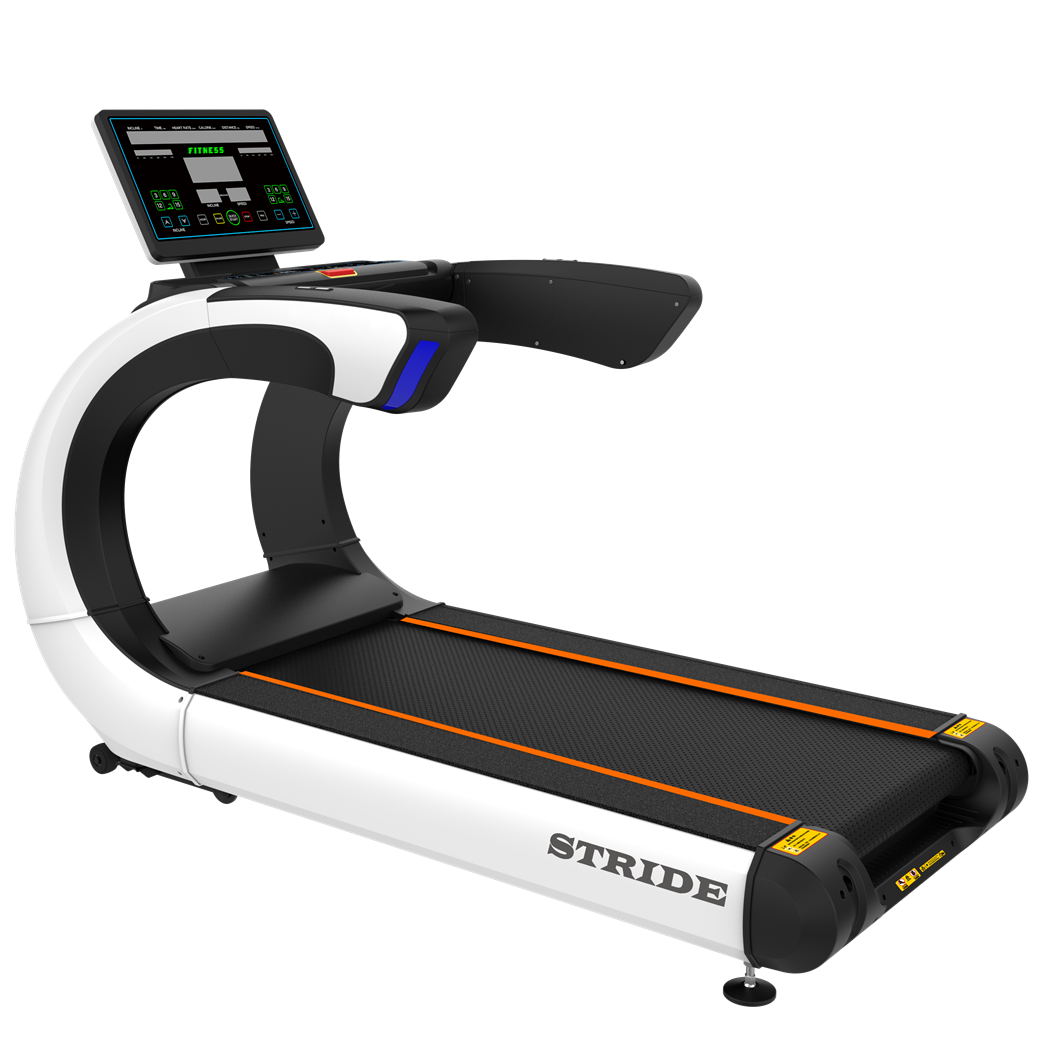
Treadmill Walking for Weight Loss is one of the most effective, accessible, and low-impact ways to shed pounds and improve your overall health. Whether you’re a beginner starting your fitness journey or someone looking for a consistent way to burn calories without joint strain, walking on a treadmill can be your go-to workout. At Gategold Fitness and Sole Fitness, we help people of all fitness levels achieve their weight loss goals with high-quality treadmills designed for performance and comfort.


Why Choose Treadmill Walking for Weight Loss?

Walking might sound simple, but when done strategically, it’s a calorie-burning powerhouse. According to Harvard Medical School, walking at a brisk pace can burn up to 150–200 calories in just 30 minutes, depending on your weight and intensity.

Benefits include:

  • Low-Impact Exercise – Gentle on knees, hips, and ankles compared to running.
  • Weather-Proof Workouts – No need to skip sessions due to rain or extreme heat.
  • Customizable Speed & Incline – Adjust for more calorie burn and muscle engagement.
  • Great for All Levels – Perfect for beginners and advanced walkers alike.

How to Maximize Treadmill Walking for Weight Loss

1. Set the Right Speed and Incline

A brisk walk (3–4.5 mph) with a slight incline helps burn more calories and engage your glutes, hamstrings, and core. Try increasing the incline every few minutes to keep your heart rate up.

💡 Check our Sole Fitness incline treadmills for machines with advanced incline options.

2. Use Interval Training

Alternate between fast walking and moderate walking to increase calorie burn. For example:

  • 2 minutes at brisk pace
  • 1 minute at power walk pace
    Repeat for 20–30 minutes.

3. Walk Longer, Not Just Faster

If you can’t push your speed too high, extend your walking time. Aim for 45–60 minutes for more fat-burning benefits.

4. Track Your Progress

Use the treadmill’s built-in display or a fitness tracker to monitor calories burned, distance, and heart rate.


Sample 30-Minute Treadmill Walking for Weight Loss Plan

  • Warm-Up: 5 minutes at an easy pace (2.5 mph)
  • Interval 1: 3 minutes brisk walk (3.8 mph), 2 minutes moderate (3 mph)
  • Interval 2: 3 minutes brisk walk at 4 mph with 3% incline, 2 minutes moderate pace
  • Repeat intervals for 20 minutes
  • Cool Down: 5 minutes at easy pace

Nutrition + Walking = Faster Results

Treadmill walking will help burn calories, but pairing it with a healthy diet will speed up weight loss. Incorporate lean proteins, whole grains, fruits, and vegetables for optimal results.

For extra support, see our guide on Nutrition for Strength and Fitness.


FAQs on Treadmill Walking for Weight Loss

Q1: How often should I walk on a treadmill to lose weight?
Aim for at least 4–5 sessions per week, each lasting 30–60 minutes.

Q2: Is walking on a treadmill better than walking outside?
Both are effective. A treadmill offers consistency, adjustable intensity, and safety from weather or uneven terrain.

Q3: Can I lose belly fat by walking on a treadmill?
Yes! Walking burns calories and, when combined with a calorie deficit, can help reduce overall body fat, including belly fat.

Q4: Should I hold the treadmill handles while walking?
Only if needed for balance. For best calorie burn and posture, swing your arms naturally.

Q5: What is the best treadmill for home weight loss workouts?
We recommend Gategold adjustable incline treadmills for maximum versatility.


Final Word

Treadmill Walking for Weight Loss is a sustainable, joint-friendly, and effective way to achieve your fitness goals. Start at your own pace, challenge yourself gradually, and stay consistent. With the right treadmill and mindset, you can turn walking into a fat-burning habit for life.

Visit Gategold Fitness or Sole Fitness today to find the perfect treadmill for your home workouts.
Common Gym Mistakes to Avoid: Train Smarter, Not Just Harder

Common Gym Mistakes to Avoid: Train Smarter, Not Just Harder

Common Gym Mistakes to Avoid
We’ve all been there. You’re showing up to the gym, putting in the time, breaking a sweat—but the results just aren’t coming. Or worse, you’re dealing with nagging aches, burnout, or even injury. The truth is, getting fit isn’t just about effort—it’s about smart effort.

At Gategold and Sole Fitness, we see it every day: well-meaning people making the same small mistakes that cost them big in the long run. Whether you’re a beginner or a gym regular, correcting these common gym mistakes can make all the difference in your progress, performance, and long-term health.

Let’s break them down—and show you how to avoid them.


1. Skipping the Warm-Up

Jumping straight into heavy lifting or high-intensity cardio without warming up is a recipe for injury. Yet, so many gym-goers treat warm-ups as optional.

Fix it: Spend 5–10 minutes doing dynamic movements (like arm circles, leg swings, light cardio) to prep your joints, raise your heart rate, and activate your muscles.

Think of it as tuning your engine before a race.


2. Poor Form Over Heavy Weights

Lifting more weight than you can handle with proper form is one of the fastest ways to injure yourself—and it’s surprisingly common in crowded gyms.

Fix it: Focus on perfecting your form with lighter weights before moving up. Use mirrors, record yourself, or ask a trainer for feedback.

Proper form builds muscle. Ego lifting builds regret.


3. Neglecting Compound Movements

Many people spend too much time on isolation exercises (like bicep curls) and ignore big, compound lifts that work multiple muscles at once.

Fix it: Prioritize squats, deadlifts, push-ups, pull-ups, lunges, and rows. These moves burn more calories, build more strength, and improve functionality.

Train movements, not just muscles.


4. Doing the Same Routine Every Day

Your body adapts quickly. If you repeat the same workout every time you hit the gym, progress will stall—and boredom will creep in.

Fix it: Change up your sets, reps, exercises, and intensity every few weeks. Try adding circuits, supersets, or even a new training split.

Muscle confusion isn’t just a trend—it’s science.


5. Not Resting Enough Between Workouts

More isn’t always better. Working out intensely every day without rest leads to overtraining, fatigue, and poor results.

Fix it: Schedule at least 1–2 full rest days per week. Active recovery (like walking or yoga) can also help you stay fresh and mobile.

Rest is not lazy—it’s when your muscles grow.


6. Ignoring Nutrition

No matter how hard you train, you can’t outwork a poor diet. Skipping meals, undereating, or eating too much junk food holds back your progress.

Fix it: Fuel your body with lean proteins, whole grains, healthy fats, and plenty of water. Post-workout meals are crucial for recovery.

Muscles are built in the gym—and revealed in the kitchen.


7. Not Tracking Progress

Without tracking your workouts, you’re basically guessing. And guessing leads to plateaus.

Fix it: Keep a simple log—whether it’s a notebook, phone app, or spreadsheet. Record weights, reps, and how you felt each session.

What gets measured gets improved.


8. Comparing Yourself to Others

Social media and gym mirrors can be toxic if you’re constantly measuring your worth against someone else’s physique or performance.

Fix it: Focus on your journey. Progress is personal, and fitness is about becoming a better version of yourself—not someone else.

Applaud others. Compete only with the person in the mirror.


The Gategold & Sole Fitness Way: Smarter Fitness for Everyone

At Gategold and Sole Fitness, our mission is to help you train smarter—not just harder. From high-quality equipment to expert-backed advice, we’ve got everything you need to succeed safely and effectively.

Mistakes are part of the learning curve—but now that you know better, you’ll do better.


Final Thoughts: Small Fixes, Big Results

Correcting these common gym mistakes won’t just protect your body—it will accelerate your results, improve your confidence, and keep you consistent for the long haul. Your time is valuable. Make every workout count.

Whether you’re lifting in a  using Sole Fitness gear at home, the key is progress—not perfection.


 Got questions or want personalized advice?

Reach out to us on Instagram @gategoldfitness or @solefitnessng — we’re always ready to help.

 Need quality fitness gear?

Visit  Sole Fitness for dumbbells, benches, mats, and everything in between. Nationwide delivery available.

Discover the top low-impact fitness equipment to help reduce joint pain and manage arthritis. Improve mobility and stay active without stressing your joints

Best Fitness Equipment for Managing Arthritis or Joint Pain: Low-Impact Tools for Lasting Relief

Best Fitness Equipment for Managing Arthritis or Joint Pain: Low-Impact Tools for Lasting Relief

Arthritis and joint pain don’t mean you have to give up on fitness—in fact, the right type of exercise can be one of the best tools for managing discomfort, improving flexibility, and maintaining strength. The key is choosing equipment that supports low-impact, joint-friendly movement while still allowing you to stay active and consistent.

In this guide, we’ll highlight the best fitness equipment for managing arthritis or joint pain, how to use them safely, and why they can help you move better, feel better, and live stronger.


🤔 Why Exercise Matters for Arthritis and Joint Pain

Exercise is essential for people with arthritis. It may seem counterintuitive, but movement reduces stiffness, increases circulation, and improves range of motion. Regular activity strengthens the muscles that support your joints and helps with weight management, which reduces pressure on painful areas.

However, the wrong equipment—or doing too much too fast—can worsen pain. That’s why low-impact, supportive equipment is ideal for people with osteoarthritis, rheumatoid arthritis, or chronic joint pain.


🏋️‍♀️ Top Fitness Equipment for Joint-Friendly Workouts

1. Elliptical Machine

Why it helps:
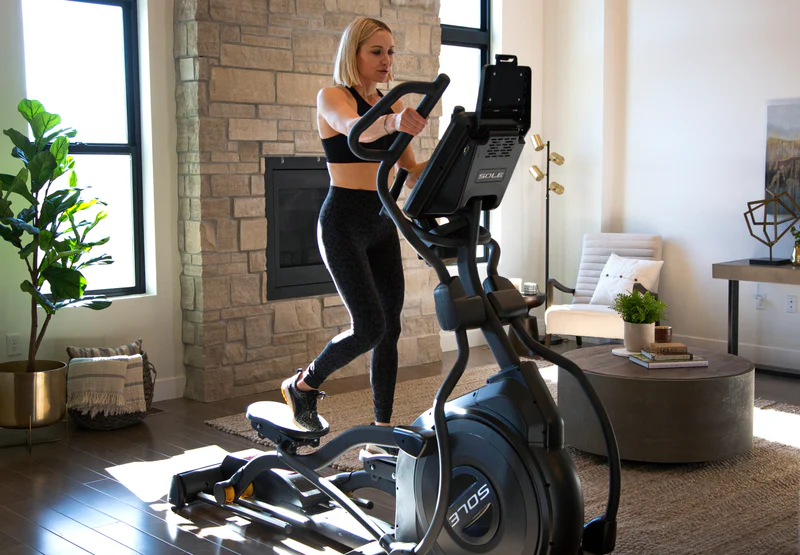
Ellipticals are excellent for cardio without joint strain. They mimic the motion of walking or running but with zero impact, making them perfect for knees, hips, and ankles. Many machines also allow reverse pedaling to activate different muscle groups.

Tip: Choose a model with ergonomic handles and adjustable resistance to keep intensity low and manageable.


2. Recumbent Bike

Why it helps:
The reclined position takes pressure off your back and joints, especially the knees. It provides a smooth, circular leg movement that’s easy on arthritic joints while still giving a solid cardio workout.

Tip: Look for a model with a wide, cushioned seat and backrest for better lumbar support.


3. Treadmill with Shock Absorption

Why it helps:
While walking is a great joint-friendly activity, not all surfaces are created equal. A quality treadmill with built-in cushioning offers a low-impact alternative to outdoor pavement. You control the speed and incline, which is essential when managing flare-ups or fatigue.

Tip: Always warm up with a slow pace and hold onto the handrails if necessary.


4. Rowing Machine

Why it helps:
Rowers provide a full-body workout without harsh impact. They strengthen the back, core, and legs while maintaining fluid joint motion. For people with arthritis in the knees or hips, sliding seat motion can build strength gently.

Tip: Use a machine with adjustable resistance and start with short intervals to avoid overuse.


5. Resistance Bands

Why they help:
Resistance bands are ideal for low-impact strength training. They provide tension to help maintain muscle strength around the joints without heavy weights. You can use them for arms, shoulders, legs, and back—all without machines.

Tip: Choose lighter resistance to start, and avoid locking out your joints during movements.


6. Foam Roller and Massage Tools

Why they help:
While not technically “exercise equipment,” recovery tools like foam rollers can be incredibly helpful for soothing stiff joints and muscles. They promote circulation and reduce muscle tightness that often accompanies arthritis.

Tip: Use soft-density rollers and focus on gentle rolling rather than deep pressure.


7. Yoga Mats and Stability Balls

Why they help:
Stretching and mobility work are essential. A high-quality yoga mat supports your spine and joints during floor exercises, while a stability ball can be used for gentle core and balance training—both important for joint protection.

Tip: Incorporate daily flexibility routines to improve joint mobility and reduce inflammation.


🔄 Other Important Considerations

  • Hydrotherapy Equipment: If available, water-based workouts are fantastic for arthritis because buoyancy reduces stress on joints while allowing full-body movement.

  • Adjustable Dumbbells with Ergonomic Grip: For strength training, lightweight, rubber-coated dumbbells with contoured grips are easier for painful hands to hold.

  • Stretching Straps or Bands: Great for range-of-motion exercises, especially for shoulders and hips.


Final Thoughts: Movement That Heals

Managing arthritis and joint pain with fitness is about choosing consistency over intensity and movement over stillness. The right equipment makes all the difference, providing the support and flexibility you need to move comfortably and confidently every day.

Whether you’re recovering from a flare-up or looking to improve joint function long-term, investing in joint-friendly fitness equipment can transform your wellness journey—one low-impact step at a time

Visit our showrooms in Lagos, Abuja, Port Harcourt, Onitsha, and other branches nationwide. We deliver nationwide

Fitness Is More Than a Look

Empowering Women Through Fitness: Top Gym Equipment Every Female-Focused Facility Needs

Empowering Women Through Fitness: Top Gym Equipment Every Female-Focused Facility Needs

As more women embrace strength, wellness, and fitness, women-focused gyms are becoming powerful spaces for health and transformation. But what sets these gyms apart? Beyond the atmosphere and community, the right gym equipment for women-focused gyms plays a vital role in supporting their journey.

Whether you’re setting up a new facility or upgrading your space, here’s a comprehensive guide to the top equipment that supports women’s unique fitness goals—from strength training and cardio to flexibility and recovery.


💪 1. Adjustable Resistance Machines for Full-Body Strength

Women-focused gyms thrive when members feel safe and confident using equipment. Machines like the leg press, lat pulldown, and cable machines offer targeted strength training without the intimidation factor of free weights. Adjustable settings and ergonomic designs make them user-friendly for all fitness levels.

Top Pick: Multi-functional cable crossover machine for upper & lower body workouts.


🏃‍♀️ 2. Low-Impact Cardio Machines for Heart Health & Endurance

Many women prefer cardio for fat loss and stamina. Opt for ellipticals, recumbent bikes, and treadmills with cushioning to reduce joint stress while keeping the heart rate up. Women in recovery, postpartum, or just starting out appreciate machines that are easy on the knees and back.

Top Pick: Elliptical trainer with incline & resistance control.


🧘‍♀️ 3. Functional Training Equipment for Core & Balance

Kettlebells, medicine balls, resistance bands, and Bosu balls encourage dynamic movement and improve core stability—vital for overall strength and injury prevention. Women enjoy group functional training classes or using these tools in their own circuits.

Top Pick: Full set of color-coded resistance bands & kettlebells.


🧱 4. Strength Stations That Support Progressive Training

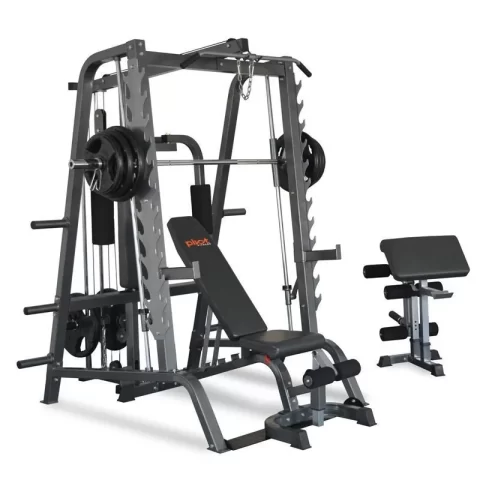
Progressive overload is key for building lean muscle, and many women are embracing this! A Smith machine, squat rack, and adjustable bench allow controlled, safe lifting with the option to progress over time.

Top Pick: Compact Smith machine with safety locks and smooth bar path.


🎧 5. Recovery Tools and Wellness Additions

Wellness isn’t just about working out—it’s also about recovering well. Foam rollers, massage chairs, and portable steam saunas help reduce soreness and promote relaxation post-exercise. These tools are particularly popular in women-focused environments where stress relief is a key benefit.

Top Pick: Massage chair with heat therapy and Bluetooth audio.


👜 6. Accessories That Make a Difference

Small but mighty, accessories like yoga mats, ankle weights, gliders, and jump ropes allow for variety in training. They’re perfect for HIIT sessions, Pilates, and mobility routines that many women enjoy incorporating into their workouts.

Top Pick: Non-slip yoga mat with alignment guide.


🏋️ Why Choosing the Right Equipment Matters

Women-focused gyms aren’t about shrinking bodies—they’re about building strength, confidence, and community. The equipment you choose should reflect this mission by being inclusive, versatile, and empowering. Whether you’re catering to beginners or seasoned athletes, quality gear supports better results and higher retention.


🎯 Final Thoughts

Creating a women-focused gym isn’t just about paint colors and playlists—it’s about designing a space that welcomes, supports, and uplifts women in every phase of their fitness journey. By investing in the right gym equipment for women-focused gyms, you not only build a functional facility—you create a movement

Visit our showrooms in Lagos, Abuja, Port Harcourt, Onitsha, and other branches nationwide. We deliver nationwide

Treadmill Walking for Weight Loss

Comparing Commercial and Home Gym Treadmills: Which One Suits You?

Introduction: Choosing the Right Treadmills for Your Needs

Whether you’re looking to set up a personal fitness corner at home or equip a high-traffic gym, choosing the right treadmill is crucial. With so many models on the market, the decision often comes down to one question: Should you go for a commercial or a home gym treadmills? While both are designed to support cardiovascular fitness and endurance, they differ in durability, features, cost, and performance.

In this blog post, we’ll break down the pros and cons of commercial vs home gym treadmills to help you make an informed choice based on your goals, usage, and environment.


1. Build Quality and Durability

Commercial treadmills are built to withstand heavy usage, often running for hours each day in gyms, hotels, and wellness centers. They feature high-quality motors (usually 3.5 HP and above), reinforced steel frames, and thicker running decks. These machines are designed to handle multiple users of varying weights and intensities.

Home gym treadmills, on the other hand, are designed for light to moderate use—perfect for individuals or small households. They typically have smaller motors (around 2.0–3.0 HP) and more compact frames. While still durable, they aren’t built for all-day use and may wear faster if overused.

Best For Durability: Commercial treadmill


2. Size and Space Considerations

If space is a concern, home treadmills are usually more compact and foldable, making them ideal for small rooms or apartments. They can easily be tucked away when not in use.

Commercial treadmills are larger and heavier, requiring more space and a permanent setup. They’re not typically foldable and may require professional installation.

Best for Small Spaces: Home treadmill


3. Features and Technology

Commercial models often come loaded with advanced features such as:

  • Touchscreen consoles

  • Built-in workout programs

  • Entertainment systems

  • Advanced heart rate tracking

  • Bluetooth & app integration

  • High weight capacity (up to 200–250kg)

Home treadmills also include a range of features but often on a simpler scale. While many have LED displays, Bluetooth, or pre-set workouts, they usually lack the full tech suite found in premium commercial models.

Best for Features: Commercial treadmill


4. Budget and Price Point

One of the biggest deciding factors is cost.

  • Home gym treadmills are significantly more affordable, making them a great option for individuals and families on a budget.

  • Commercial treadmills, while more expensive, offer long-term value for facilities that demand high-performance machines.

Keep in mind: Spending more doesn’t always mean better for your needs. If you’re a casual user, a mid-range home treadmill can offer excellent value.

Best for Affordability: Home treadmill


5. Usage Frequency and Purpose

  • Are you training for marathons or high-intensity workouts daily?

  • Are you setting up a gym for multiple users or public use?

  • Or do you simply want to stay active and get your daily steps in?

If you’re planning to use the treadmill intensively or share it with many users, go commercial. If your usage is moderate and personal, a home treadmill is more than enough.

Best for High Usage: Commercial treadmill
Best for Personal Use: Home treadmill


6. Maintenance and Longevity

Commercial treadmills are built to last longer and often come with extended warranties. They require scheduled maintenance but are engineered to handle it.

Home treadmills are low-maintenance but might require frequent servicing if overused.

Best for Long-Term Investment: Commercial treadmill


Conclusion: Which Treadmill Is Right for You?

When choosing between a commercial vs home gym treadmill, it all comes down to your goals:

Factor Go for Commercial Go for Home Gym
Usage Heavy, multiple users Light to moderate, 1–2 users
Budget Higher More affordable
Space Spacious gym Compact home setup
Features Advanced tech Basic to moderate tech
Durability Built for long-term use Great for personal needs

Whether you’re a gym owner looking to invest in high-end machines or a fitness enthusiast building a home gym, Gategold and BuyFitness offer a wide range of both commercial and home gym treadmills designed to match your lifestyle and budget.


Need Help Choosing?

Visit our showroom or contact our fitness equipment experts at Gategold. We’ll guide you through top models like the Sole F85 Folding Treadmill for home users or Sole ST90 Commercial Treadmill for high-traffic gyms.

Visit our showrooms in Lagos, Abuja, Port Harcourt, Onitsha, and other branches nationwide. We deliver nationwide

Struggling to stay motivated when progress feels slow? Discover expert tips on maintaining fitness motivation, mindset strategies, and how Gategold equipment keeps you on track

How to Stay Motivated When Results Are Slow

How to Stay Motivated When Results Are Slow: The Real Path to Progress

Let’s be honest—nothing is more frustrating than putting in the effort, eating clean, working out consistently, and still not seeing fast results. Whether it’s weight loss, muscle gain, strength, or endurance, slow progress can make anyone question their journey. But here’s the truth: slow progress is still progress, and staying motivated through that slow season is what separates short-term effort from long-term transformation.

In this post, we’ll show you how to stay motivated when results are slow, backed by psychology, experience, and fitness tools you can trust from Gategold.


🧠 1. Shift Your Focus from Outcome to Habit

The biggest mindset shift you can make is this: fall in love with the process. Rather than obsessing over the scale, mirror, or measurements, focus on:

  • Showing up consistently

  • Finishing your workouts

  • Eating balanced meals

  • Drinking enough water

  • Recovering properly

Each day you honor the process, you’re building resilience, discipline, and the body you want—even if you can’t see it yet.


🕰️ 2. Trust the Timeline – Results Take Time

You didn’t gain weight, lose muscle, or feel unfit overnight. So, expecting results in just a few weeks is unrealistic. Real transformation takes 8–12 weeks or more, depending on your goals, consistency, and body type.

Instead of asking, “Why is it taking so long?” ask:

“What small win did I earn this week?”

Did you lift heavier? Wake up early for your workout? Choose a protein shake over soda? These moments matter and add up over time.


📓 3. Track Non-Scale Victories

Progress isn’t always measured in kilograms or inches. Keep a fitness journal or use an app to track:

  • Increased stamina

  • Better sleep

  • Improved energy levels

  • Reduced stress

  • Mental clarity

  • Mood improvement

These non-scale victories often appear before the physical changes and are powerful reminders that your body is healing and evolving from the inside out.


🏋️‍♀️ 4. Change Your Environment

If you’re feeling stuck, sometimes a fresh workout space or new equipment can re-energize your routine. Try:

  • A different gym setup at home with adjustable benches or dumbbells

  • Switching from treadmill to elliptical or recumbent bike

  • Using resistance bands or kettlebells to mix things up

  • Adding soothing recovery tools like foam rollers or massage chairs

Explore new gear at Gategold Fitness to reignite your motivation.


🎯 5. Set Mini Goals, Not Just Big Ones

Big goals like “Lose 20kg” or “Build a six-pack” are inspiring but also overwhelming. Break them down into weekly goals like:

  • “Train 4 times this week”

  • “Hit my protein target daily”

  • “Stretch for 10 minutes post-workout”

  • “Add 5kg to my squat this month”

Mini wins boost confidence and keep you moving forward even when the mirror doesn’t change instantly.


🧘 6. Prioritize Mental Health

Sometimes, slow results are tied to stress, burnout, or emotional strain. Stay mentally strong by:

  • Practicing gratitude journaling

  • Meditating for 5–10 minutes a day

  • Taking active rest days

  • Talking to a coach or friend about your progress

  • Avoiding comparison on social media

Remember: Fitness is mental too, and your mind needs rest and support just like your muscles.


💡 7. Use the Right Tools to Stay Engaged

Motivation can dwindle when workouts feel boring or repetitive. Keep things exciting with:

  • Fitness trackers to monitor your heart rate and calories

  • Bluetooth-enabled cardio machines for music or Netflix

  • Adjustable home gym sets for variety

  • Pre-workout supplements for energy boosts

  • Comfortable gym wear from BuyFitness for confidence

Check out Gategold’s collection of smart gym tools and accessories that help make every workout feel worth it.


💬 8. Talk to Yourself Like a Coach

When results are slow, your inner critic gets loud. Replace thoughts like:

  • “I’m not good enough”

  • “This isn’t working”

  • “Why even try?”

With:

  • “I’m building strength with every rep”

  • “Slow progress is still progress”

  • “My consistency will win in the end”

The way you speak to yourself matters more than you think.


❓ FAQ – How to Stay Motivated When Results Are Slow

Q: How long does it take to see fitness results?
A: Most people begin to notice changes within 4–8 weeks. However, results vary based on genetics, diet, sleep, and training style.

Q: Should I switch workouts if progress is slow?
A: Not always. Sometimes your routine is working — it just needs more time. But adding variety can help mentally refresh you.

Q: Do supplements help?
A: Yes, protein powder, creatine, pre-workout, and BCAAs can support energy and recovery, especially for beginners.

Q: Is it okay to take breaks?
A: Yes. Rest days are essential. Just don’t let breaks turn into quitting. Stay connected to your “why.”


🏁 Final Thoughts: Stay in the Race

Progress isn’t a straight line. There will be ups, downs, plateaus, and moments you’ll want to quit. But if you keep showing up, even when it’s hard — especially when it’s hard — you’ll become the person who didn’t give up on themselves.

Whether you’re just getting started or pushing through a slow patch, know this: every rep, every drop of sweat, and every delay is part of your transformation story. And with the right tools, mindset, and support, you will reach your goals.


📞 Ready to Take Your Fitness Journey Further?

👉 Explore gym equipment, recovery tools, and accessories designed to support your growth — even on the hard days.

Visit our showrooms in Lagos, Abuja, Port Harcourt, Onitsha, and other branches nationwide. We deliver nationwide

My Progress Wasn’t Fast – But It Was Mine

Post-Workout Recovery Tips for Beginners: Your Ultimate Guide to Faster Healing and Better Results

Why Recovery Is Just as Important as Your Workout

When it comes to fitness, most beginners think results come from pushing hard in the gym. But here’s the truth: your muscles grow and your body improves not during workouts, but after them—during recovery. That’s why understanding the right post-workout recovery tips for beginners is critical for avoiding burnout, injury, and slow progress.

Whether you’re lifting weights, running on a treadmill, or trying out that new elliptical, Gategold’s expert-backed tips will help you bounce back stronger and feel better after every session.


⏳ What Happens During Recovery?

During intense physical activity, your muscles develop tiny tears, and your body uses the recovery period to repair those tears—making you stronger. Recovery also helps reduce inflammation, flush out lactic acid, and replenish depleted energy stores.

Neglecting recovery means you risk:

  • 🚫 Chronic soreness

  • 🚫 Poor performance

  • 🚫 Weakened immunity

  • 🚫 Higher chance of injury

Let’s explore how to recover smarter, not just harder.


✅ Post-Workout Recovery Tips for Beginners

1. Cool Down Properly

After your workout, don’t just stop abruptly. Spend 5–10 minutes on low-intensity cardio (like walking on a treadmill or cycling slowly on a recumbent bike) to gradually bring your heart rate down and prevent stiffness.


2. Stretch Your Muscles

Stretching improves flexibility, promotes blood flow, and reduces post-workout tension. Focus on the muscles you just trained, holding each stretch for at least 20–30 seconds.

Pro Tip: Foam rollers or massage tools can release tight areas and help speed up recovery.


3. Hydrate Right Away

Sweating leads to water loss, and dehydration slows down recovery. Aim to drink at least 500ml to 1 liter of water after your session. Add electrolytes if you’ve done a high-intensity or long-duration workout.

Equipment Tip: Use your Gategold shaker bottle to rehydrate with water, BCAAs, or a protein shake.


4. Fuel Your Body with Nutrition

Post-workout is the ideal time to refuel. Beginners should focus on:

  • 🍗 Protein (chicken, whey protein, eggs) to repair muscles

  • 🍚 Carbs (sweet potatoes, rice, fruits) to restore energy

  • 🥑 Healthy fats (avocado, nuts) to reduce inflammation

Eat within 30–60 minutes of finishing your workout for best results.


5. Take Rest Days Seriously

More isn’t always better. If you’re a beginner, aim for 3–4 training days per week with active rest days in between—like walking, light cycling, or yoga. Your muscles need time to repair and rebuild.


6. Use the Right Equipment

Recovery can be enhanced using:

  • 🪑 Massage chairs with heating and air compression features

  • 💺 Recumbent bikes for active recovery

  • 🧘 Yoga mats for post-workout stretching

  • 🎧 Bluetooth-enabled treadmills to help wind down with music

Explore these tools on Gategold’s website or showroom!


7. Get Enough Sleep

Don’t underestimate sleep. During deep sleep, your body releases growth hormone, which supports muscle repair. Aim for 7–9 hours of sleep per night.


8. Track Your Recovery

Keep a fitness journal or use a workout app to log how you feel post-workout. This helps you understand your recovery patterns and avoid overtraining.


❓ FAQ – Post-Workout Recovery Tips for Beginners

Q: How sore is too sore after a workout?
A: Slight soreness is normal, especially for beginners. But if you can’t move properly or feel sharp pain, rest and consult a trainer or healthcare provider.

Q: Should I take supplements after every workout?
A: Not always, but beginners can benefit from whey protein, BCAAs, and electrolyte drinks to aid recovery.

Q: Can I work out while sore?
A: Light activity is okay, but avoid training the same muscle group until soreness subsides.

Q: What’s the fastest way to recover?
A: A combination of proper hydration, nutrition, rest, and active recovery yields the best results.


💼 Final Thoughts: Build Fitness with Recovery in Mind

Recovery isn’t a break from progress—it is the progress. For beginners, mastering post-workout recovery habits leads to faster results, better performance, and fewer injuries. Don’t just train hard—recover smart.

Whether you’re training at home, in a commercial gym, or using Gategold fitness equipment, recovery should always be part of the plan.


📣 Call to Action

Need fitness tools to help you recover better? From massage chairs to foam rollers to hydration bottles and protein supplements—Gategold has you covered

Visit our showrooms in Lagos, Abuja, Port Harcourt, Onitsha, and other branches nationwide. We deliver nationwide

Discover the best low-impact cardio workouts for chronic illness management. Stay active and improve your health gently with Gategold’s expert fitness equipment

Low-Impact Cardio Workouts for Chronic Illness Management

Move to Heal: Why Exercise Matters in Chronic Illness

For those living with chronic conditions like arthritis, hypertension, diabetes, fibromyalgia, or long-term fatigue, exercise might seem difficult—or even impossible. But the truth is, low-impact cardio workouts for chronic illness management can make a world of difference. Regular, gentle movement can improve circulation, ease joint pain, reduce inflammation, boost energy, and support emotional well-being.

At Gategold Fitness, we believe that everyone—regardless of their condition—deserves the chance to move their body in a way that promotes healing and improves quality of life. With the right equipment and approach, fitness can be a gentle form of medicine.


🌿 What Are Low-Impact Cardio Workouts?

Low-impact cardio exercises elevate your heart rate while reducing stress on joints and bones. Unlike high-impact workouts that involve jumping or running, low-impact options are safer for individuals with limited mobility, pain, or fatigue. They provide cardiovascular benefits, improve lung capacity, and support overall wellness.


🩺 Benefits of Low-Impact Cardio for Chronic Illness

✅ Reduces joint stiffness and pain
✅ Improves heart and lung function
✅ Enhances circulation and blood sugar control
✅ Boosts energy levels and reduces fatigue
✅ Supports weight management
✅ Improves mood and reduces anxiety/depression


🏃‍♀️ Best Low-Impact Cardio Workouts for Chronic Illness Management

1. Recumbent Bike Training

Why it works: A recumbent bike allows you to cycle in a reclined position, reducing pressure on the back, hips, and knees. It’s ideal for seniors and those with arthritis, joint pain, or recovering from surgery.

👉 Gategold offers SOLE recumbent bikes with ergonomic seating and magnetic resistance for smooth, quiet pedaling.


2. Elliptical Machine Workouts

Why it works: Ellipticals offer a fluid motion that mimics walking without harsh foot strikes. They engage both upper and lower body and allow users to adjust intensity based on their comfort level.

🔧 Perfect for individuals with knee problems or balance concerns. Add handlebars for full-body engagement.


3. Walking on a Flat Treadmill

Why it works: A slow walk at zero incline is an excellent way to stay active without stress. For those with cardiovascular disease or diabetes, treadmill walking improves heart health and sugar control.

🛠️ Choose a treadmill with speed control and safety handrails, such as the foldable models available from Gategold.


4. Chair Aerobics

Why it works: Seated cardio movements, such as leg lifts, seated marches, and arm punches, allow individuals with limited mobility or balance issues to stay active while sitting.

💡 Use light dumbbells or resistance bands to enhance the workout. Great for stroke recovery and frail individuals.


5. Water Aerobics (if access is available)

Why it works: Exercising in water significantly reduces impact on joints while providing resistance. It’s especially helpful for individuals with chronic pain, arthritis, or obesity.

💦 While Gategold doesn’t sell pools, our floor mats and support tools are ideal for stretching and mobility sessions before and after water therapy.


🧘‍♀️ Stretching and Breathing Are Essential

Pair every cardio session with light stretching and deep breathing exercises. This combination increases oxygen flow, reduces stress, and promotes relaxation—crucial for those managing chronic conditions.


🏋️ Recommended Equipment from Gategold

At Gategold, we offer medically safe, easy-to-use equipment ideal for home or clinical use:

  • Recumbent Bikes

  • Elliptical Cross Trainers

  • Magnetic Bikes with Back Support

  • Mini Pedal Bikes for Desk Use

  • Resistance Bands & Foam Rollers

  • Supportive Floor Mats for Stability

Explore our Rehabilitation & Recovery section to find low-impact cardio tools perfect for chronic illness management.


🧠 Tips for Exercising with a Chronic Illness

  • 🕒 Start slow: Even 5–10 minutes of movement can help

  • 📆 Be consistent: Gentle movement daily yields better results than intense workouts once a week

  • 🧂 Hydrate well and eat before sessions to avoid energy dips

  • 🚨 Listen to your body: Pain or dizziness is a sign to stop

  • 🩺 Consult a doctor or physiotherapist before starting a new routine


❓ FAQ – Low-Impact Cardio Workouts for Chronic Illness Management

Q: Can I do low-impact cardio if I have joint pain?
A: Yes. Machines like recumbent bikes or ellipticals reduce pressure on joints while improving circulation and endurance.

Q: How often should I do low-impact workouts?
A: Start with 2–3 days per week for 10–20 minutes, and increase as tolerated.

Q: What’s the best home cardio machine for chronic illness?
A: A recumbent bike is often the best, offering joint support, comfort, and easy control of intensity.


📣 Final Thoughts: Movement as Medicine

Living with a chronic illness doesn’t mean giving up on movement—it means being more intentional with it. Low-impact cardio workouts for chronic illness management provide a safe path to better health, stronger muscles, and improved quality of life.

At Gategold, we believe healing starts with the first gentle step. Let us help you move better, breathe better, and live better.

Visit our showrooms in Lagos, Abuja, Port Harcourt, Onitsha, and other branches nationwide. We deliver nationwide

10-Min HIIT for Busy Moms

Fitness Freedom: Why Movement Matters for a Stronger You

Fitness Freedom: Why Movement Matters for a Stronger You

In a world where many feel stuck—by routines, stress, or health challenges—there’s one powerful way to take control again: Fitness Freedom. It’s not about perfection or performance. It’s about the freedom to move without pain, to feel stronger each day, and to live life on your terms.

Fitness Freedom means reclaiming your energy, confidence, and mental clarity through consistent movement. Whether you’re walking on a treadmill, lifting weights, or stretching after a long day, every rep is a step toward a better, more independent version of yourself.


💥 Freedom Begins with Movement

You don’t need a special day or a gym membership to start. Freedom happens when you choose to show up for yourself. When you decide to train, even when it’s hard. When you stop waiting for motivation and start creating momentum.

Movement is the purest form of reclaiming your power—and it starts the moment you begin.


🧠 The Mindset Behind Fitness Freedom

Fitness isn’t just physical—it’s deeply mental. Choosing to move your body daily is an act of self-respect and discipline. It tells your mind, “I matter. My health matters.”

At Gategold Fitness, we believe that when you move better, you live better. That’s why we provide gym equipment, tools, and support to help you build your freedom from within.


🛠️ Gym Tools That Support Fitness Freedom

To embrace fitness freedom, you need tools that fit your lifestyle. Here are some of the most effective and accessible pieces of equipment available at Gategold:

Treadmill

An excellent cardio machine for burning fat, boosting stamina, and walking at your own pace—indoors or outdoors.

Recumbent Bike

Gentle on the joints, this machine helps improve cardiovascular health while providing back support, perfect for recovery or seniors.

Dumbbells & Adjustable Weights

Versatile and effective for building strength at home or in the gym. Ideal for full-body workouts.

Resistance Bands

Portable and beginner-friendly, great for home workouts, stretching, and strength training.

Foam Rollers & Recovery Gear

Essential for reducing soreness, improving flexibility, and speeding up muscle recovery.

You can find all of these tools on our site or in-store at Gategold Fitness—your trusted partner in movement and motivation.


🥦 Nutrition: The Fuel Behind Freedom

Your body can’t move freely without the right fuel. If you want to feel light, energized, and strong, nourish yourself with:

  • Lean protein (e.g., chicken, fish, whey supplements)

  • Complex carbs (e.g., oats, brown rice, sweet potatoes)

  • Healthy fats (e.g., avocado, nuts, olive oil)

  • Hydration (at least 2–3 liters of water daily)

Supplements like creatine, BCAAs, and multivitamins can also support performance and recovery—especially when training intensely.


💡 The Emotional Power of Fitness

Exercise gives you more than just visible results. It offers peace, discipline, mental resilience, and confidence. People often say that after a workout, they feel like a better version of themselves. That’s because movement doesn’t just strengthen muscles—it strengthens your mind.

Fitness Freedom is the courage to take that first step, again and again, even when no one claps or watches.


✅ How to Claim Your Fitness Freedom

  1. Start small: Walk for 10 minutes or stretch every morning.

  2. Set a goal: Not just weight loss—think “energy,” “mobility,” or “confidence.”

  3. Track your progress: Celebrate every improvement, no matter how small.

  4. Use the right tools: Equip your space with tools from Gategold that support your routine.

  5. Ask for help: Whether it’s a coach or just a fitness guide—don’t go it alone.


❓ FAQ: Fitness Freedom

Q: What does Fitness Freedom really mean?
A: It means feeling in control of your health, body, and routine through consistent physical activity—on your terms.

Q: What equipment do I need to get started?
A: A treadmill, dumbbells, or even a resistance band is enough. Gategold has affordable beginner-friendly options.

Q: Is this only for young or fit people?
A: Not at all. Fitness freedom is for everyone—no matter your age, size, or starting point.

Q: How can I stay motivated?
A: Track your progress, celebrate your wins, and remember your why. Freedom feels better than excuses.

🏋️‍♂️ Take charge of your health and reclaim your strength.

Visit our showrooms in Lagos, Abuja, Port Harcourt, Onitsha, and other branches nationwide.

  • GateGold Nigeria
  • BuyFitnessProduct
  • Sole Fitness Nigeria
  • Phone: +234 803 329 3090

  • Shop Online: Fast delivery nationwide

  • Need Help? Our experts are ready to assist with setup and equipment recommendations.

✨ Don’t wait for change—train for it.

How to Stay Fit in Your 40s

What to Expect Your First Week in the Gym: A Beginner’s Guide to Starting Strong

What to Expect Your First Week in the Gym

Starting a fitness journey can be both exciting and intimidating, especially if it’s your first time walking into a gym. You might feel overwhelmed by the machines, unsure of the routines, or worried about doing things the wrong way. But here’s the truth: everyone starts somewhere, and walking through that door is already a powerful step toward a stronger, healthier you.

At Gategold Fitness, we’ve helped thousands of beginners find their rhythm in the gym — and we’re here to guide you through what to expect your first week in the gym so you can walk in with confidence and purpose.


🧠 Your First Week Is About Learning, Not Perfection

Expect your first week to feel like an adjustment period. You’re learning new movements, discovering how your body reacts to exercise, and figuring out what works best for you.

Don’t worry if you can’t lift much weight or if you sweat more than expected. This is your foundation — and it’s perfectly okay to feel out of your comfort zone.


🏋️‍♀️ Day-by-Day Breakdown of Your First Week

📅 Day 1: Orientation & Observation

  • Tour the gym (or home gym setup)

  • Learn to use basic machines like the treadmill, elliptical, or recumbent bike

  • Watch others for proper form, but don’t compare

  • Try a light cardio session (10–15 minutes) and a bodyweight circuit

📝 Tip: Ask a gym staff member or trainer to demonstrate how equipment works — or follow Gategold Fitness videos on TikTok for guided use.


📅 Day 2: Introduction to Strength Training

  • Focus on compound bodyweight movements like squats, lunges, pushups

  • Add resistance with dumbbells or a multi-functional cable machine

  • Do 2 sets of each movement, focusing on form

📝 Tip: Your muscles may feel sore — this is normal. It means you’re working!


📅 Day 3: Recovery & Stretching

  • Active recovery with light walking or a cycling session

  • Use a massage gun or foam roller to release tension

  • Try beginner-friendly yoga or full-body stretching

📝 Tip: Recovery is not laziness. It’s how your body grows stronger.


📅 Day 4: Upper Body Focus

  • Try chest presses, lat pulldowns, dumbbell shoulder presses

  • Use machines or resistance bands for support

  • Keep reps between 8–12 for building endurance


📅 Day 5: Lower Body & Core

  • Bodyweight or light-weight squats, glute bridges, leg presses

  • Try core movements like planks or Russian twists

  • End with 10 minutes on a stair climber or treadmill


📅 Day 6: Full Body Light Circuit

  • Combine upper and lower body in a circuit (e.g., squats, pushups, rows, crunches)

  • Keep intensity moderate — it’s about movement, not exhaustion


📅 Day 7: Rest & Reflect

  • Take the day off from training

  • Reflect on how you feel, how far you’ve come, and what you’ve learned

📝 Tip: Journal your progress and emotions. Celebrate your first week!


🧰 What You’ll Need in the Gym

👜 Gym Bag Essentials:

  • Water bottle

  • Gym towel

  • Comfortable sneakers

  • Moisture-wicking clothing

  • Resistance bands or gloves (optional)

🏠 Home Gym Equipment Suggestions:

  • Foldable treadmill or air bike

  • Adjustable dumbbells

  • Workout bench or squat rack

  • Yoga mat for stretching


🥗 Fueling Your Body Right

Nutrition plays a major role in your performance and recovery. During your first week in the gym, aim to:

  • Eat a balanced diet rich in lean proteins, complex carbs, and healthy fats

  • Hydrate before, during, and after workouts

  • Try pre-workout snacks like bananas, oats, or yogurt

  • Post-workout meals should include protein and carbs for recovery

Recommended Supplements:

  • Whey Protein for muscle repair

  • BCAAs for endurance

  • Creatine for strength gains

  • Multivitamins to cover nutritional gaps

  • For more health benefits of exercise, visit Healthline and VeryWellFit.

🔄 What You Might Feel (And Why It’s Okay)

✅ Muscle Soreness

Completely normal. Use stretching, hydration, and active recovery to manage it.

✅ Gym Anxiety

You’re not alone. Most people feel intimidated at first — but confidence builds with each session.

✅ Fatigue

Your body is adapting to a new routine. Sleep, eat well, and pace yourself.


💬 FAQ: What to Expect Your First Week in the Gym

Q: How long should I work out in my first week?

Start with 30–45 minutes, including warm-up and cool-down. The goal is consistency, not exhaustion.

Q: Should I lift weights right away?

Yes, but start light. Focus on proper form and gradually increase resistance.

Q: How often should I go?

Aim for 3–4 times in your first week. Consistency is key.

Q: What if I’m sore or tired?

That’s normal. Rest, hydrate, and let your body adapt.


📢 Final Thoughts: You Just Took the Hardest Step

The hardest part isn’t lifting weights — it’s showing up. And you did that.

Your first week in the gym sets the tone for your journey ahead. It won’t be perfect, but it will be powerful. You’ll build confidence, strength, and a new mindset. With every session, you’re telling yourself, “I am worth the effort.”

Let Gategold Fitness be part of your journey — with premium gym equipment, expert support, and a community that celebrates every milestone.

Visit our showrooms in Lagos, Abuja, Port Harcourt, Onitsha, and other branches nationwide.

  • GateGold Nigeria
  • BuyFitnessProduct
  • Sole Fitness Nigeria
  • Phone: +234 803 329 3090

  • Shop Online: Fast delivery nationwide

  • Need Help? Our experts are ready to assist with setup and equipment recommendations.

Search for products

Back to Top
Product has been added to your cart