Daily Push, Pull, Legs Routine


Daily Push, Pull, Legs Routine

A Daily Push, Pull, Legs Routine is one of the most effective ways to structure your workouts if your goal is to build strength, muscle, and endurance in a balanced way. This method breaks your training into three main movement patterns, ensuring each muscle group gets the right attention and recovery. At  and SoleFitness, we often recommend this routine for both beginners and experienced lifters who want consistent progress.


What Is a Daily Push, Pull, Legs Routine?

A Daily Push, Pull, Legs Routine divides your workouts into three categories:

  • Push Day: Chest, shoulders, and triceps
  • Pull Day: Back, biceps, and rear delts
  • Leg Day: Quads, hamstrings, glutes, and calves

You cycle through these days continuously, usually training 5–6 days per week. This split lets you train more frequently while giving each muscle group enough time to recover and grow.

Check out our Full Body Dumbbell Workout Guide on SoleFitness
Learn more about training splits from Healthline


Benefits of a Daily Push, Pull, Legs Routine

1. Balanced Muscle Development

This structure ensures every muscle group gets hit regularly, preventing strength imbalances and reducing the risk of injury.

2. Optimal Recovery and Frequency

Because you’re alternating between different movement patterns, muscles recover while others are trained.

3. Flexibility and Adaptability

A Daily Push, Pull, Legs Routine fits into almost any schedule and can be adjusted for beginners or advanced lifters.


Example Daily Push, Pull, Legs Routine

Push Day

  • Bench Press – 4 sets x 8 reps
  • Overhead Shoulder Press – 3 sets x 10 reps
  • Dumbbell Chest Fly – 3 sets x 12 reps
  • Tricep Pushdowns – 3 sets x 15 reps

Pull Day

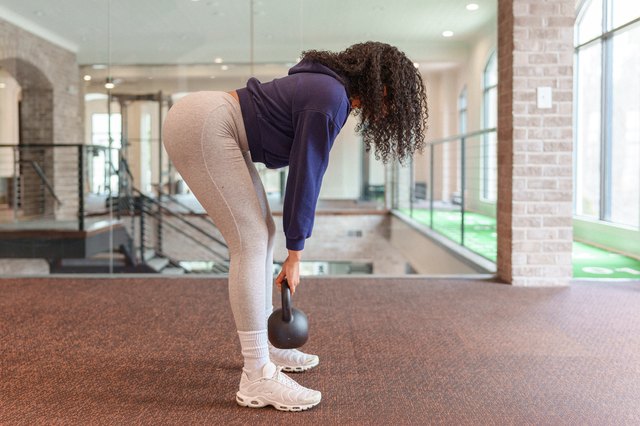
  • Deadlifts – 4 sets x 6 reps
  • Pull-Ups – 4 sets x 8 reps
  • Barbell Rows – 3 sets x 10 reps
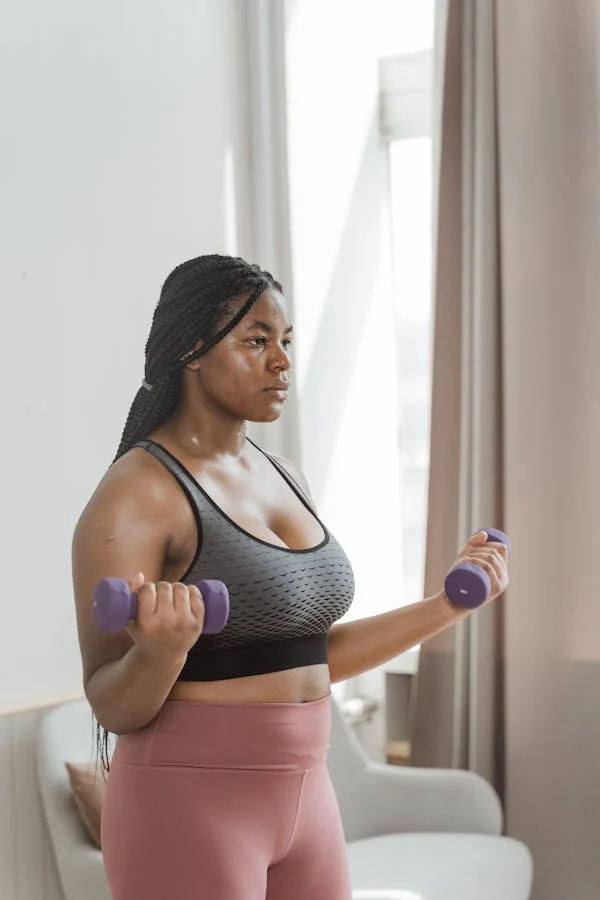
  • Bicep Curls – 3 sets x 15 reps

Legs Day

  • Squats – 4 sets x 8 reps
  • Romanian Deadlifts – 4 sets x 10 reps
  • Leg Press – 3 sets x 12 reps
  • Calf Raises – 4 sets x 20 reps

Explore our Gym Equipment for Strength Training on SoleFitness


Tips to Maximize Results

  • Track your weights and reps every week to ensure progressive overload.
  • Eat a high-protein diet to support muscle growth.
  • Get 7–8 hours of sleep each night for recovery.
  • Listen to your body — rest when needed.

FAQs on Daily Push, Pull, Legs Routine

Q: Can beginners use a Daily Push, Pull, Legs Routine?
A: Yes, beginners can use it by starting with lighter weights and focusing on proper form.

Q: How many days per week should I train?
A: Ideally 5–6 days, but you can start with 3–4 days and build up.

Q: Is it good for building muscle?
A: Absolutely, this routine hits all muscle groups frequently, which supports muscle growth.

Q: Do I need gym equipment?
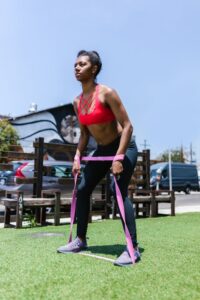
A: Yes, basic weights and machines help, but you can also modify with resistance bands or bodyweight at home. Check our affordable fitness gear on SoleFitness.


Final Thoughts

A Daily Push, Pull, Legs Routine is a smart and efficient way to train your whole body while managing recovery. Whether your goal is strength, muscle size, or endurance, this split will keep you progressing steadily. Start slow, be consistent, and track your progress — your results will speak for themselves.
 

Best Exercises for Lower Belly Fat

Best Exercises for Lower Belly Fat

Best Exercises for Lower Belly Fat

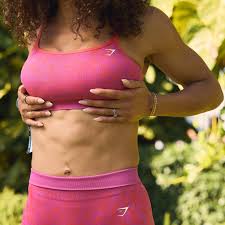
If you’ve been searching for the best exercises for lower belly fat, you’re not alone—this stubborn area can be one of the hardest to tone. The best exercises for lower belly fat target your core muscles while increasing calorie burn to reduce overall body fat. At SoleFitness, we know how challenging it can be to sculpt a flat, strong midsection, which is why we’ve compiled the most effective workouts to help you succeed.


 Why Lower Belly Fat Is So Stubborn

Lower belly fat tends to resist change because it’s influenced by hormones, stress, and overall body fat percentage. To eliminate it, you need a combination of cardio, strength training, and targeted core exercises. While spot reduction isn’t possible, incorporating the best exercises for lower belly fat into your routine can strengthen and define your lower abs as you lose fat overall.


 The Best Exercises for Lower Belly Fat

These moves activate your lower abdominals and help build core strength:

  • Leg Raises – Lie flat on your back, slowly lift your legs to 90 degrees, then lower them back down without touching the floor.
  • Reverse Crunches – Curl your hips toward your chest while keeping your shoulders on the floor.
  • Mountain Climbers – A high-intensity full-body move that also fires up your lower abs.
  • Flutter Kicks – Keep your legs straight and alternate kicking them up and down just above the floor.
  • Plank with Hip Dips – A plank variation that targets the lower abs and obliques.

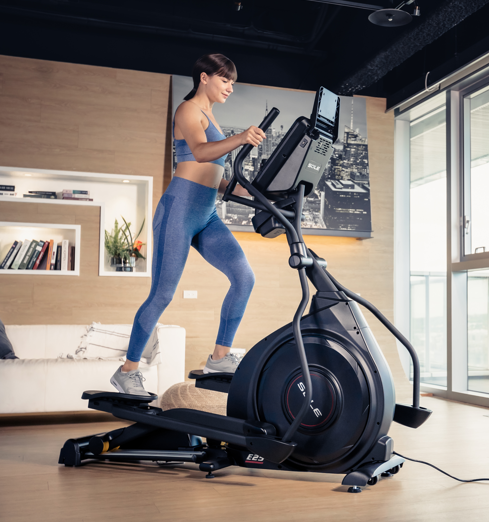
💡 Tip: Combine these with cardio machines like the Commercial Treadmill or Elliptical Trainer to burn calories faster.


 Nutrition Matters Too

Even the best exercises for lower belly fat won’t work without proper nutrition. Focus on:

  • Eating lean proteins and high-fiber foods
  • Staying hydrated
  • Avoiding sugary snacks and processed foods

Explore our guide on Nutrition for Muscle Growth to learn how food supports fat loss and muscle tone.


 Sample Lower Belly Fat Workout Plan

3–4 times per week

  • 3 sets of 15 reps: Leg Raises
  • 3 sets of 20 reps: Mountain Climbers
  • 3 sets of 15 reps: Reverse Crunches
  • 1-minute Plank with Hip Dips
  • 15 minutes cardio (Treadmill, Bike, or Jump Rope)

This routine will help tighten your core while burning calories.


 FAQs About Lower Belly Fat

Q1: Can I lose lower belly fat fast?
A1: There’s no quick fix. Consistency with exercise and diet is key for long-term fat loss.

Q2: How long does it take to see results?
A2: Most people see visible results within 6–12 weeks of consistent training.

Q3: Are crunches enough to lose belly fat?
A3: No. Crunches strengthen muscles but don’t burn enough calories alone—combine them with cardio and full-body workouts.


Best Elliptical Machines1

Best Cardio for Fat Loss

Best Cardio for Fat Loss


Best Cardio for Fat Loss

When it comes to achieving your weight loss goals, choosing the best cardio for fat loss is crucial. Cardio workouts are known to burn calories, improve heart health, and boost your metabolism, which helps accelerate fat loss. Whether you train at home or in the gym, knowing which cardio exercises give the best results will help you stay consistent and motivated.

At SoleFitness, we provide expert fitness guidance and high-quality workout equipment to support your fat-burning journey.


 Why Cardio is Essential for Fat Loss

Doing cardio consistently increases your calorie expenditure, which creates the calorie deficit needed to lose fat. Cardio also improves endurance, supports heart health, and enhances overall energy levels, making your workouts more effective.


 Best Cardio Workouts for Fat Loss

Here are some of the most effective cardio workouts to maximize fat loss:

  • High-Intensity Interval Training (HIIT): Short bursts of intense effort followed by rest periods.
  • Running or Jogging: Great for burning calories quickly and improving endurance.
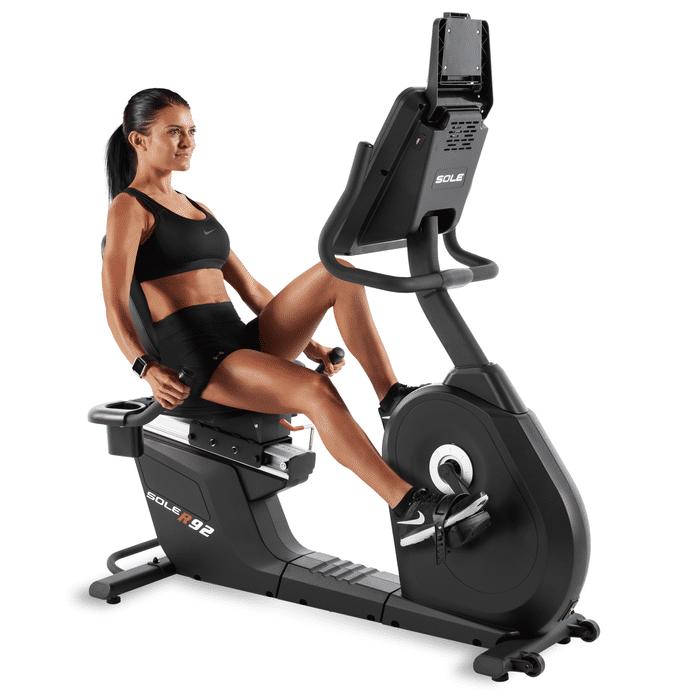
  • Cycling: Low-impact cardio that torches calories while protecting your joints.
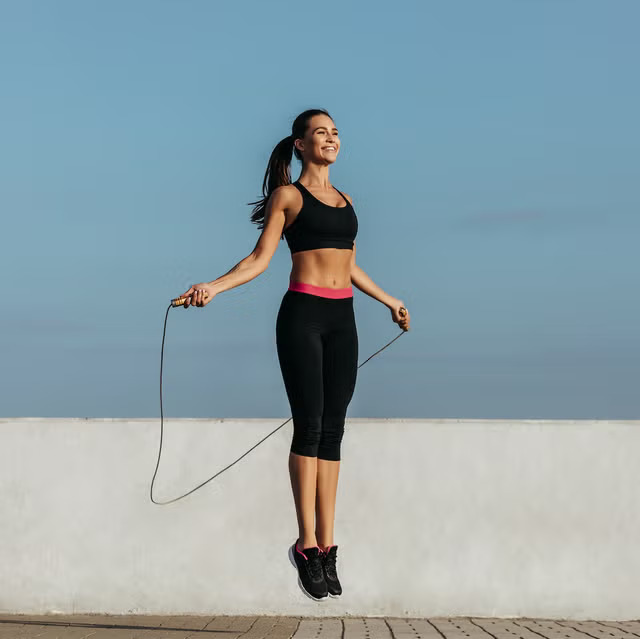
  • Jump Rope: A simple but powerful calorie burner you can do anywhere.
  • Rowing: Full-body cardio that builds both strength and stamina.

👉 You can find top-quality treadmills, stationary bikes, and rowing machines on our SoleFitness shop to enhance your cardio workouts.


 Tips for Maximizing Fat Loss Through Cardio

  • Mix up your cardio routines to avoid plateaus.
  • Combine cardio with strength training to preserve muscle mass.
  • Monitor your heart rate to stay in the fat-burning zone.
  • Stay consistent and gradually increase your intensity.

 Combine Cardio with Nutrition

Cardio alone won’t do the magic — a healthy, calorie-controlled diet is essential. Include lean proteins, complex carbs, healthy fats, and stay hydrated to fuel your workouts and recovery.


 Internal Resources


 FAQs on Best Cardio for Fat Loss

Q1: How many days per week should I do cardio to lose fat?
A: Aim for 4–5 days of cardio per week, mixing moderate and high intensity.

Q2: Is HIIT better than steady-state cardio for fat loss?
A: HIIT burns more calories in less time, but steady-state cardio is easier to sustain. Combining both can be most effective.
Q3: Can I do cardio every day?
A: Yes, if you vary intensity and allow your body enough recovery time.

Would you like me to also design a social media graphic for this “Best Cardio for Fat Loss” blog post to promote it on your pages?

Gym: Your Ultimate Space for Fitness and Transformation

Can I Gain Muscle Without Heavy Lifting?

Can I Gain Muscle Without Heavy Lifting

Can I Gain Muscle Without Heavy Lifting?

Can I gain muscle without heavy lifting? This is a common question among fitness enthusiasts, especially beginners who might be intimidated by the idea of lifting very heavy weights. The truth is that you can build muscle without always lifting heavy—what matters most is progressive overload, consistency, proper nutrition, and using techniques that target muscle growth effectively. In this post, we’ll explore how you can achieve muscle gain even without maxing out the weights on every set.


Understanding Muscle Growth

Muscle growth, or hypertrophy, happens when muscle fibers are challenged, break down, and repair stronger. While heavy lifting is one method, it’s not the only one. Studies from National Library of Medicine show that using moderate weights with higher reps can also stimulate significant hypertrophy when pushed close to muscle fatigue.

You can read more on our Strength Training Basics Guide on SoleFitness.


How to Gain Muscle Without Heavy Lifting

  • Increase Training Volume: Do more total reps and sets using moderate weights.
  • Time Under Tension: Slow down the tempo to make muscles work longer.
  • Focus on Isolation Exercises: Target specific muscle groups (e.g., bicep curls, tricep kickbacks).
  • Use Resistance Bands and Bodyweight: These can create enough resistance to stimulate muscle growth.
  • Short Rest Periods: Keep rest between sets at 30–60 seconds to maximize metabolic stress.

Check out our article on Full Body Dumbbell Workouts on SoleFitness for a perfect low-weight, high-rep program.


Nutrition Still Matters

Building muscle without heavy lifting still requires proper protein intake, caloric surplus, and recovery. Aim for lean proteins, complex carbs, and healthy fats. Recovery (sleep and rest days) allows muscle fibers to rebuild stronger.

For more guidance, visit our Nutrition for Muscle Growth blog on SoleFitness.


Benefits of Light-to-Moderate Weight Training

  • Lower injury risk
  • Better joint health
  • Improved muscle endurance
  • Easier recovery time
  • Sustainable long-term fitness habit

 FAQs About Gaining Muscle Without Heavy Lifting

Q1: Can bodyweight exercises build muscle?
Yes. Exercises like push-ups, squats, and pull-ups build muscle when done progressively.

Q2: How many reps should I do with lighter weights?
Aim for 12–20 reps per set, close to muscle fatigue.

Q3: Do I still need protein if I’m not lifting heavy?
Absolutely. Muscle growth needs protein regardless of weight load.

Q4: Will I get bulky using light weights?
Not typically. Light weights build lean, toned muscle rather than bulky mass.


Body Type Quiz: Discover Your Fitness Blueprint

Body Type Quiz: Discover Your Fitness Blueprint


Body Type Quiz: Discover Your Fitness Blueprint

Body Type Quiz: Discover Your Fitness Blueprint

Body Type Quiz is the first step to unlocking your full fitness potential. Understanding your body type helps you create a workout and nutrition plan that works best for you. Whether you’re training at home or in the gym, knowing your body type can accelerate your results. At SoleFitness, we’re here to help you discover and train smarter based on your unique physique.


 What Is a Body Type Quiz?

A Body Type Quiz is a simple assessment that identifies whether you are an ectomorph, mesomorph, or endomorph. Each body type has unique traits like metabolism speed, muscle-building potential, and fat storage patterns. Knowing your type helps you choose the right fitness gear, workouts, and nutrition plans.


 Why Taking a Body Type Quiz Matters

Understanding your body type through a Body Type Quiz ensures you:

  • Select the most effective workouts
  • Choose proper nutrition for your goals
  • Avoid frustration from slow or plateaued progress
  • Tailor your supplements and recovery plans

This personalized approach saves time and boosts confidence in your fitness journey.


 How to Use Your Body Type Quiz Results

Once you know your body type:

  • Ectomorphs can focus on strength training and higher calorie intake.
  • Mesomorphs can balance cardio and resistance training for muscle growth.
  • Endomorphs should include HIIT and controlled-calorie diets to burn fat effectively.

Explore detailed guides like our Ectomorph Workout Plan and Endomorph Workout Plan for more personalized tips.


 Where to Take a Body Type Quiz

You can find free, reliable Body Type Quiz tools on fitness websites or apps. For accurate guidance and fitness gear to match your goals, check out:


FAQs About Body Type Quiz

Q: How accurate is a body type quiz?
A: While it gives a good starting point, combining quiz results with professional guidance offers the best accuracy.

Q: Can my body type change over time?
A: Your genetics stay the same, but training and nutrition can alter your body composition significantly.

Q: What’s the benefit of knowing my body type?
A: It helps you set realistic goals and follow a plan that fits your natural build.


Gym: Your Ultimate Space for Fitness and Transformation

Top 5 Fitness Trends 2025

Top 5 Fitness Trends 2025


        Top 5 Fitness Trends 2025

Top 5 fitness trends 2025 are transforming how people train, recover, and stay motivated, and both beginners and seasoned athletes can benefit from embracing these innovations. At SoleFitness,  we’re always at the forefront of fitness evolution, and these trends are set to redefine the fitness landscape this year.


 AI-Powered Personal Training

The first big highlight in the Top 5 fitness trends 2025 is the rise of AI-powered personal trainers. With smart fitness apps using machine learning to tailor workouts based on your progress, people can get a personalized experience at home or the gym.


 Hybrid Gym Memberships

Hybrid memberships let members access both physical gyms and virtual workout classes on-demand. This is one of the Top 5 fitness trends 2025 because it combines flexibility and community.

  • At SoleFitness , we offer digital class access alongside in-person sessions.
  • Read more on How to Start a Home Gym.

 Recovery-Focused Training

Recovery is no longer an afterthought. More gyms are adding infrared saunas, cryotherapy, and mobility sessions. This trend is vital among the Top 5 fitness trends 2025 to prevent burnout and injuries.


 Functional Fitness & Mobility Work

Functional training focuses on movements that improve daily activities. It’s making a strong comeback among the Top 5 fitness trends 2025, especially for older adults and athletes recovering from injuries.


 Wearable Tech and Fitness Tracking

Wearables are smarter than ever—tracking sleep, stress, heart rate variability, and performance data. It’s impossible to list the Top 5 fitness trends 2025 without mentioning tech integration.


  FAQs

Q: Are the Top 5 fitness trends 2025 suitable for beginners?
A: Yes, most trends like functional fitness, hybrid memberships, and AI training are beginner-friendly and adjustable to any fitness level.

Q: How can I stay updated on these trends?
A: Follow blogs from SoleFitness ,  regularly as we cover new updates, gear, and training methods.

Q: Which trend is best for home workouts?
A: AI-powered personal training and hybrid memberships are perfect for people who prefer to train from home.


   Conclusion

The Top 5 fitness trends 2025 are reshaping the fitness industry by merging technology, flexibility, and wellness. Whether you’re starting your journey or looking to level up, these trends can help you stay ahead and motivated. Explore the newest fitness gear and expert guidance on SoleFitness , to transform your workouts this year.


Hydration and Performance

Hydration and Performance:

Hydration and Performance

Hydration and Performance: Why Water Is the Key to Your Workout Success

Hydration and performance go hand-in-hand — and if you’re pushing through intense workouts without enough water, your strength, endurance, and recovery could suffer. Staying hydrated helps regulate body temperature, fuel muscles, and prevent fatigue, making it one of the most crucial yet overlooked parts of fitness. At SoleFitness, we believe mastering your hydration habits is just as important as perfecting your workout routine.


The Link Between Hydration and Performance

When you exercise, your body loses fluids through sweat. If you don’t replace them, dehydration can quickly set in, causing muscle cramps, dizziness, and reduced endurance. Proper hydration and performance go together because water helps:

  • Transport nutrients to muscles
  • Maintain electrolyte balance
  • Support joint lubrication and flexibility
  • Delay fatigue during cardio or strength training

According to the American College of Sports Medicine, even a 2% drop in hydration can negatively affect athletic performance.


How to Stay Hydrated Before, During, and After Workouts

Pre-Workout Hydration

Drink 500–600ml of water 2–3 hours before your workout. This primes your body for optimal performance and reduces early fatigue.

During Workouts

Sip 150–250ml of water every 15–20 minutes, especially during high-intensity sessions or in hot environments.

Post-Workout Recovery

Replenish lost fluids by drinking at least 500ml of water, and pair it with electrolyte-rich snacks like bananas or coconut water to restore balance.


Hydration Tools to Improve Your Performance

Investing in the right gear can make consistent hydration easier. Check out:

  • Smart water bottles available on SoleFitness to track intake
  • Home cardio equipment from SoleFitness with built-in water bottle holders
  • Commercial gym setups from SoleFitnessto create hydration-friendly workout spaces

FAQs About Hydration and Performance

Q1: How much water should I drink daily for fitness?
Aim for at least 2–3 liters daily, more if you train heavily or in hot weather.

Q2: Can sports drinks replace water?
Sports drinks are helpful during long, intense sessions, but water should remain your main hydration source.

Q3: Does coffee or tea count toward hydration?
Yes, in moderation — but don’t rely on caffeinated drinks as your main fluid source.


Best Supplements for Beginners

Best Supplements for Beginners


Best Supplements for Beginners


Best Supplements for Beginners

When starting your fitness journey, understanding the best supplements for beginners can help boost your energy, recovery, and overall results. The best supplements for beginners are designed to fill nutritional gaps and support your workout goals, especially if your diet alone doesn’t meet all your body’s needs. In this guide, we’ll explore essential beginner-friendly supplements, how to use them safely, and where to get high-quality options from trusted brands like SoleFitness.


   Why Supplements Are Useful for Beginners

The best supplements for beginners work as supportive tools—not replacements—for proper nutrition. They can:

  • Improve workout performance
  • Speed up post-workout recovery
  • Provide essential nutrients your body might lack
  • Support muscle repair and growth

   Types of Best Supplements for Beginners

Here are the top best supplements for beginners to consider adding to your fitness routine:

Protein Powder

Protein powder helps beginners meet their daily protein needs for muscle repair and growth. It’s convenient and easy to mix into shakes or smoothies.

Creatine

Creatine enhances strength and increases energy during high-intensity training sessions, making it great for beginners starting resistance training.

Multivitamins

Multivitamins support overall health by covering basic nutrient needs that beginners might not get from food alone.

Omega-3 Fatty Acids

These support joint health and reduce inflammation, which is important when you’re new to regular exercise.

Pre-Workout Supplements

Pre-workout supplements provide an energy boost and improve focus during workouts, helping beginners push through tough sessions.

(You can find these supplements at SoleFitness, online stores.)


   Safety Tips for Beginners

  • Always read labels and follow dosage instructions
  • Start with one supplement at a time to track your body’s response
  • Consult a healthcare or fitness professional before starting new supplements
  • Combine supplements with a balanced diet and exercise plan

   FAQs About the Best Supplements for Beginners

Q: Do beginners really need supplements?
A: Supplements are not mandatory but can help fill nutritional gaps and support training goals.

Q: How soon will I see results from supplements?
A: It varies. With consistent training and nutrition, results may show within weeks.

Q: Can I take multiple supplements together?
A: Yes, but introduce them gradually and consult a professional to avoid interactions.


Morning vs Evening Workouts: Which Time Is Best for You?

Morning vs Evening Workouts: Which Time Is Best for You?

Morning vs Evening Workouts

Morning vs Evening Workouts: Which Time Is Best for You?

Morning vs Evening Workouts has been a long-debated topic in the fitness community, and choosing the best time to exercise can significantly impact your performance, motivation, and results. Whether you train at home or in a gym, understanding the benefits of both morning and evening workouts will help you build a schedule that fits your lifestyle. In this post, we’ll explore which workout timing is best for you, so you can stay consistent and reach your fitness goals faster.


The Science Behind Morning vs Evening Workouts

Morning Workouts Boost Energy and Consistency

Starting your day with a workout can help improve your energy levels, mental focus, and discipline. Morning workouts are often linked to increased metabolism, meaning you burn more calories throughout the day. Many people also find it easier to stay consistent because there are fewer distractions early in the morning.

Benefits of morning workouts:

  • Increased daily energy
  • Enhanced metabolism
  • Improved mental clarity
  • Consistent schedule

Evening Workouts Enhance Strength and Performance

On the other hand, evening workouts are beneficial because your body temperature is naturally higher later in the day, which improves muscle function and strength. You may feel more flexible and perform better in strength training sessions at night. This makes evening workouts perfect for people aiming to lift heavier and build muscle.

Benefits of evening workouts:

  • Better strength and endurance
  • Reduced injury risk
  • Stress relief after work
  • More social gym atmosphere

How to Choose Between Morning vs Evening Workouts

When deciding between morning vs evening workouts, the best option depends on your personal lifestyle, goals, and how your body responds to different training times. If your goal is fat loss or general fitness, morning sessions may be ideal. If your focus is on strength, endurance, or muscle growth, evenings might be better.

Quick tips:

  • Choose a time when you have the most energy.
  • Stick to the same time daily for habit-building.
  • Align workout timing with your meal schedule and sleep cycle.

Internal and External Resources


FAQs on Morning vs Evening Workouts

Q1: Is it better to work out in the morning or evening for weight loss?
A: Morning workouts may boost metabolism and burn more fat throughout the day, while evening workouts help you train harder. Both work; consistency matters most.

Q2: Can I switch between morning and evening workouts?
A: Yes, you can alternate, but sticking to a consistent time helps your body adjust and build a routine.

Q3: Which time is better for strength training?
A: Evening workouts are generally better for strength training due to higher body temperature and improved muscle performance.

Q4: Will working out at night affect my sleep?
A: Not necessarily. Just avoid very intense workouts right before bedtime if they make you too alert.


Weekly Workout Plan for Beginners

Weekly Workout Plan for Beginners

Weekly Workout Plan for Beginners

Weekly Workout Plan for Beginners

Starting a fitness journey can feel overwhelming, but having a Weekly Workout Plan for Beginners is the best way to build confidence, stay consistent, and avoid injury. A Weekly Workout Plan for Beginners helps structure your exercise routine, making it easier to progress steadily and achieve your fitness goals. Whether you want to lose fat, gain strength, or improve your overall health, following a simple plan can make a big difference.

At SoleFitness, we’re dedicated to helping beginners find the right fitness path with the right equipment and support.


🏋️‍♀️ Why a Weekly Workout Plan for Beginners is Important

A Weekly Workout Plan for Beginners provides structure and consistency. Instead of guessing what to do each day, a clear plan saves time and helps you track progress. It reduces the risk of injury and burnout by balancing strength training, cardio, and rest days.

Benefits include:

  • Builds a consistent habit
  • Helps track progress over time
  • Improves strength, endurance, and flexibility
  • Prevents overtraining and injuries

  Sample Weekly Workout Plan for Beginners

Here’s a simple, balanced routine you can follow:

    Day 1 – Full Body Strength

  • Bodyweight squats – 3 sets x 12 reps
  • Dumbbell chest press – 3 sets x 10 reps
  • Bent-over rows – 3 sets x 10 reps
  • Plank – 30 seconds x 3 rounds

    Day 2 – Cardio

  • 30 minutes brisk walking or cycling
  • Optional: 10 minutes stretching

    Day 3 – Rest or Active Recovery

  • Light yoga or a gentle walk

    Day 4 – Upper Body Strength

  • Push-ups – 3 sets x 10 reps
  • Dumbbell shoulder press – 3 sets x 12 reps
  • Bicep curls – 3 sets x 12 reps
  • Mountain climbers – 30 seconds x 3 rounds

    Day 5 – Cardio + Core

  • 20-minute treadmill jog
  • Russian twists – 3 sets x 15 reps
  • Leg raises – 3 sets x 12 reps

   Day 6 – Lower Body Strength

  • Lunges – 3 sets x 12 reps each leg
  • Dumbbell deadlifts – 3 sets x 10 reps
  • Glute bridges – 3 sets x 15 reps
  • Side planks – 30 seconds x 3

   Day 7 – Rest

  • Complete rest to allow muscles to recover

🧠 Tips to Stay Motivated

  • Track your workouts in a fitness journal
  • Celebrate small wins weekly
  • Use beginner-friendly gym machines and dumbbells (Check our fitness equipment store)
  • Stay hydrated and fuel your body with nutritious meals

For more beginner guides, read our Top Gym Machines for Beginners article.


❓ FAQ: Weekly Workout Plan for Beginners

Q1: How long should beginners work out each day?
A: 30–45 minutes is enough for beginners to build strength and endurance without overtraining.

Q2: Do beginners need gym equipment?
A: Not necessarily. You can start with bodyweight exercises, but adding dumbbells or resistance bands can speed up progress.

Q3: When should beginners increase intensity?
A: After 3–4 consistent weeks, gradually increase weights or workout time to keep improving.


Search for products

Back to Top
Product has been added to your cart