Ectomorph Workout Plan: Build Muscle and Strength Effectively

  Ectomorph Workout Plan: Build Muscle and Strength Effectively
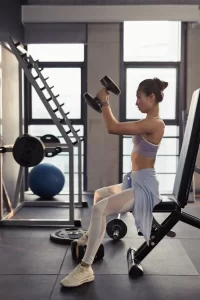
  Ectomorph Workout Plan: Build Muscle and Strength Effectively

  Ectomorph Workout Plan: Build Muscle and Strength Effectively

If you have a lean body type and find it hard to gain muscle, following a strategic Ectomorph Workout Plan can help you build strength, size, and endurance. Many ectomorphs struggle with slow weight gain and rapid metabolism, but with the right plan, you can achieve noticeable results. Whether you’re training at home or in the gym, this guide will walk you through the ideal approach.


Understanding the Ectomorph Body Type

Ectomorphs are naturally slim, with narrow shoulders, low body fat, and fast metabolisms. Because of this, building muscle mass takes more effort and consistency. A structured Ectomorph Workout Plan focuses on progressive overload, compound lifts, and sufficient rest periods to maximize gains. Tip from SoleFitness: Track your weekly progress using fitness apps or logs to make sure your strength and weight are increasing over time. Check our SoleFitness Strength Training Equipment to get started.


H2: Key Principles of an Ectomorph Workout Plan

Following these core principles will ensure your training is effective:

  • Focus on Compound Movements: Prioritize exercises like squats, deadlifts, bench presses, and pull-ups to engage multiple muscles.
  • Lower Reps, Heavier Weight: Aim for 6–10 reps per set to stimulate muscle growth.
  • Allow Rest Between Sets: Rest 60–90 seconds between sets to recover and maintain strength.
  • Train 3–4 Times Weekly: Avoid daily intense workouts that can lead to overtraining.
  • Prioritize Recovery: Get enough sleep and schedule rest days for muscle repair.

Explore beginner-friendly strength gear on SoleFitness to set up your home training corner.


H2: Sample Ectomorph Workout Plan

Day 1 – Upper Body

  • Bench Press – 4 sets of 8 reps
  • Pull-Ups – 4 sets of 6 reps
  • Overhead Press – 3 sets of 8 reps
  • Barbell Rows – 3 sets of 8 reps

Day 2 – Lower Body

  • Squats – 4 sets of 8 reps
  • Deadlifts – 3 sets of 6 reps
  • Lunges – 3 sets of 10 reps per leg
  • Calf Raises – 4 sets of 15 reps

Day 3 – Rest / Active Recovery

Day 4 – Full Body

  • Push-Ups – 4 sets of 12 reps
  • Dumbbell Rows – 3 sets of 10 reps
  • Dumbbell Press – 3 sets of 8 reps
  • Plank – 3 sets of 45 seconds

Find high-quality dumbbells and barbells at SoleFitness to make your sessions more effective.


H2: Nutrition Tips for Ectomorphs

Your Ectomorph Workout Plan should be paired with a calorie-surplus diet to support muscle growth. Focus on:

  • High-calorie, nutrient-dense foods (nuts, whole grains, lean meats, eggs)
  • Frequent meals and snacks (every 3–4 hours)
  • Protein-rich shakes post-workout
  • Hydration and sufficient sleep to recover and grow

For in-depth guidance, see our blog on Nutrition for Muscle Growth.


H2: Common Mistakes to Avoid

  • Overtraining with too many cardio sessions
  • Skipping rest days
  • Not tracking progress or increasing weights
  • Eating too little for muscle gain

FAQ: Ectomorph Workout Plan

Q1: How long will it take an ectomorph to see results?
A: With consistency and proper nutrition, noticeable muscle gains can appear within 8–12 weeks.

Q2: Should ectomorphs do cardio?
A: Light cardio 1–2 times a week is fine, but too much cardio can burn calories needed for muscle growth.

Q3: Can ectomorphs train daily?
A: No. Training 3–4 times a week is ideal to prevent overtraining and allow muscle recovery.


Conclusion

An Ectomorph Workout Plan requires discipline, strategic strength training, and a calorie-rich diet to maximize results. Focus on lifting heavy, eating smart, and recovering well. With dedication, ectomorphs can build impressive muscle mass and strength over time.
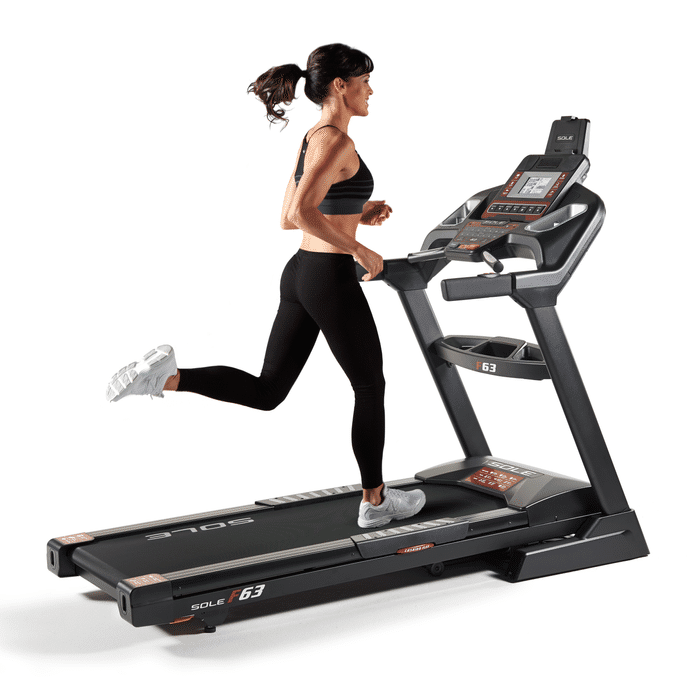
 

Benefits of Treadmill8

Benefits of Treadmill

Benefits of Treadmill8

Benefits of Treadmill

If you’re looking for a reliable and effective way to improve your fitness, understanding the benefits of treadmill workouts can change how you view exercise. At SoleFitness we’ve seen how treadmills help beginners and athletes alike build endurance, burn calories, and stay consistent — all from the comfort of home or at the gym.

What Are the Main Benefits of Treadmill Workouts?

1. Supports Weight Loss and Fat Burning

One of the most popular benefits of treadmill exercise is its ability to burn calories quickly. Walking or running on a treadmill boosts your heart rate, which helps your body burn fat. For those looking to manage weight, adding treadmill sessions into your routine can speed up your progress.

2. Improves Heart and Lung Health

Treadmill workouts are excellent cardiovascular exercises. They strengthen your heart, improve blood circulation, and enhance lung capacity. Regular use can help reduce the risk of heart disease and improve your overall endurance over time.

3. Provides a Controlled and Safe Environment

Unlike outdoor running, treadmills offer a flat, cushioned surface that reduces the impact on your joints. This controlled environment means fewer injuries, making it ideal for older adults or beginners starting their fitness journey.

4. Boosts Mental Health and Mood

Exercise releases endorphins, which are natural mood boosters. A quick session on the treadmill can help reduce stress, anxiety, and even symptoms of depression. It’s not just good for your body — it’s great for your mind, too.

5. Helps Build Consistency and Discipline

One key benefit of treadmill workouts is their convenience. Whether it’s raining, too hot, or late at night, you can still stay on track with your fitness goals. This consistency is what leads to long-term results.


FAQs About the Benefits of Treadmill

Q1: Are treadmill workouts good for beginners?
A: Yes, treadmills are perfect for beginners because you can start with slow-paced walking and gradually increase your speed and incline as you build stamina.

Q2: How many minutes should I spend on a treadmill daily?
A: Aim for at least 30 minutes a day, 5 times a week, to experience the best benefits of treadmill workouts.

Q3: Can treadmill workouts replace outdoor running?
A: Absolutely. While outdoor running has its benefits, treadmills offer a safe, weather-proof, and joint-friendly alternative.

Q4: Can using a treadmill help with weight loss?
A: Yes, consistent treadmill workouts burn calories effectively, which helps promote weight loss when combined with a healthy diet.


Final Thoughts

The benefits of treadmill workouts go far beyond just physical fitness. From boosting your heart health to lifting your mood, treadmills are versatile machines that support both beginners and advanced athletes. Whether you’re training at home with SoleFitness equipment, at the gym with SoleFitness machines, or exploring SoleFitness’  premium treadmills, this investment can transform your entire fitness journey.


Home vs Gym Workout

Home vs Gym Workout: Which One Is Better for Your Fitness Goals?

Home vs Gym Workout

Home vs Gym Workout: Which One Is Better for Your Fitness Goals?

When it comes to reaching your fitness goals, the debate of home vs gym workout has always been a hot topic. Some people prefer the flexibility and comfort of exercising at home, while others thrive in the structured environment of a gym. Understanding the differences between home vs gym workout will help you decide which option best suits your lifestyle, goals, and budget.


Benefits of a Home Workout

Choosing a home workout comes with several advantages:

  • Convenience – You can exercise anytime without worrying about gym hours.
  • Privacy – No waiting for machines or feeling self-conscious.
  • Cost-Effective – A one-time investment in home gym equipment saves money in the long run.
  • Flexibility – Tailor your workout routines to your own schedule.

👉 At SoleFitness,, you can find high-quality home gym essentials like dumbbells, treadmills, resistance bands, and benches to get started.


Benefits of a Gym Workout

On the other hand, a gym workout provides unique advantages:

  • Variety of Equipment – Access to machines and free weights not always available at home.
  • Motivating Environment – Surrounding yourself with like-minded people pushes you harder.
  • Expert Guidance – Trainers and fitness classes provide structure and accountability.
  • Progressive Training – Easier to follow advanced routines with more equipment choices.

👉 Explore premium fitness machines at SoleFitness for top-notch gym equipment that supports commercial and personal use.


Home vs Gym Workout: Which Should You Choose?

The home vs gym workout decision comes down to:

  • Budget – If saving money is key, home workouts are ideal.
  • Discipline – If you need accountability, the gym may suit you better.
  • Goals – For muscle building, gyms provide better options; for general fitness, home is enough.
  • Lifestyle – Busy parents or professionals may prefer home workouts for flexibility.

FAQs on Home vs Gym Workout

Q1: Is a home workout as effective as the gym?
Yes, with the right equipment and consistency, home workouts can be just as effective.

Q2: Can I build muscle at home without a gym?
Yes, using dumbbells, resistance bands, and bodyweight exercises, you can effectively build muscle.

Q3: Which is better for weight loss—home or gym workouts?
Both can help with weight loss, but gyms may offer more variety and intensity for faster results.


Conclusion

The home vs gym workout debate does not have one universal answer—it depends on your fitness level, discipline, and resources. For those who value convenience and privacy, home workouts are excellent. For people who enjoy structured training and advanced equipment, gyms are the better choice.

👉 Whether you’re building your home gym with SoleFitness or upgrading your commercial setup with SoleFitness and we provide the tools you need to achieve your goals.


Gym: Your Ultimate Space for Fitness and Transformation

 CrossFit vs Bodybuilding: Which Training Style Fits You Best

 CrossFit vs Bodybuilding: Which Training Style Fits You Best

 CrossFit vs Bodybuilding: Which Training Style Fits You Best

When it comes to choosing the right training style, CrossFit vs Bodybuilding is one of the most debated topics in the fitness world. Both approaches offer unique benefits, but they target different goals, methods, and lifestyles. Whether you’re training at home with SoleFitness equipment, hitting a structured bodybuilding plan with SoleFitness machines, or mixing CrossFit workouts at SoleFitness gyms, understanding the differences can help you maximize results.


🔹 What is CrossFit?

CrossFit is a high-intensity functional fitness program that combines strength training, cardio, and Olympic lifting. It focuses on overall athletic performance, endurance, and versatility. Workouts are typically short, intense, and varied.

  • Builds endurance, strength, and agility
  • Community-driven training style
  • Perfect for those who enjoy variety and challenge

🔹 What is Bodybuilding?

Bodybuilding is centered around building muscle size, symmetry, and definition. It involves structured resistance training, progressive overload, and strict nutrition.

  • Enhances muscle hypertrophy and definition
  • Focused on aesthetics and strength
  • Best for those who want to build lean mass and shape their physique

🔹 CrossFit vs Bodybuilding: Key Differences

Training Goals

  • CrossFit → Focuses on functional strength, stamina, and performance.
  • Bodybuilding → Focuses on aesthetics, muscle growth, and symmetry.

Workout Style

  • CrossFit → High-intensity WODs (Workouts of the Day).
  • Bodybuilding → Split routines targeting specific muscle groups.

Nutrition

  • CrossFit → Balanced diet supporting performance.
  • Bodybuilding → High-protein, calorie-controlled for muscle gain or fat loss.

Injury Risk

  • CrossFit → Higher risk if form is neglected due to intensity.
  • Bodybuilding → Lower risk but can lead to overuse injuries if poorly programmed.

🔹 Which One Should You Choose?

  • Pick CrossFit if you enjoy fast-paced, functional workouts that challenge endurance and strength.
  • Pick Bodybuilding if your goal is muscle size, definition, and physique enhancement.
  • Combine both if you want to balance aesthetics with performance.

🔹 Internal Links


❓ FAQ on CrossFit vs Bodybuilding

Q1: Can CrossFit build muscle like Bodybuilding?
Yes, but bodybuilding is more effective for hypertrophy, while CrossFit builds functional strength with some muscle gain.

Q2: Which burns more calories: CrossFit or Bodybuilding?
CrossFit typically burns more calories due to high intensity.

Q3: Can I do both CrossFit and Bodybuilding?
Yes, combining both can give you performance and aesthetic benefits.


Best Elliptical Machines1

Strength vs Hypertrophy: Which Training Style Fits Your Goal?

Strength vs Hypertrophy

Strength vs Hypertrophy: Which Training Style Fits Your Goal?

When it comes to fitness and building your ideal physique, the debate of Strength vs Hypertrophy often comes up. While both training styles involve lifting weights, they target different outcomes — strength training focuses on increasing raw power, while hypertrophy training emphasizes muscle size and aesthetics. At SoleFitness, we believe that understanding this difference can help you create a smarter and more effective workout plan that aligns with your unique fitness goals.


What is Strength Training?

Strength training is all about increasing the maximum amount of force your muscles can produce. It involves lower repetitions (around 1–6 reps), heavier weights, and longer rest periods to allow the muscles and nervous system to recover. The main goal is performance improvement — lifting heavier, moving more explosively, and excelling in sports or functional movements.

👉 Example: Compound lifts like deadlifts, squats, and bench presses are central in a strength-focused program.

For beginners looking to start, explore our Beginner Strength Training Guide to build a strong foundation.


What is Hypertrophy Training?

Hypertrophy training focuses on increasing muscle size and volume. This style uses moderate weights, higher repetitions (8–12 reps), and shorter rest periods. The goal is to create muscle fatigue and stimulate muscle fibers for growth.

👉 Example: Workouts often include isolation exercises like bicep curls, lateral raises, and leg extensions in addition to compound lifts.

To optimize results, combining hypertrophy training with proper nutrition is essential. You can check out our Nutrition for Muscle Growth post for more guidance.


Strength vs Hypertrophy: Key Differences

Training Goals

  • Strength: Maximize power output.
  • Hypertrophy: Maximize muscle size.

Reps & Sets

  • Strength: 1–6 reps, 3–6 sets.
  • Hypertrophy: 8–12 reps, 3–5 sets.

Rest Periods

  • Strength: 2–5 minutes.
  • Hypertrophy: 30–90 seconds.

Who Should Choose What?

  • Choose strength training if you want performance and functional strength.
  • Choose hypertrophy if you want a more muscular, aesthetic physique.
  • Many athletes and gym-goers combine both for maximum results.

Combining Strength and Hypertrophy Training

For most fitness enthusiasts, the smartest approach is to combine both styles. Strength provides a solid base of power, while hypertrophy enhances muscle definition and overall physique. At SoleFitness, , we recommend starting your training cycle with strength-focused lifts and then moving into hypertrophy accessory work to balance power and aesthetics.


FAQs on Strength vs Hypertrophy

Q1: Can I build muscle with strength training alone?
Yes, strength training does build muscle, but not as efficiently as hypertrophy-focused workouts. It mainly develops neuromuscular efficiency.

Q2: Can I combine both in one program?
Absolutely. Many lifters alternate between strength and hypertrophy blocks or even blend both in the same week.

Q3: Which is better for fat loss — Strength vs Hypertrophy?
Both can help, but hypertrophy may burn more calories during training due to higher volume. Strength training boosts long-term calorie burn by increasing muscle mass and metabolic rate.


Final Thoughts

The Strength vs Hypertrophy debate doesn’t have a one-size-fits-all answer. It depends on your personal goals, whether you want raw power, a muscular aesthetic, or both. At SoleFitness, we provide the best guidance, equipment, and workout resources to help you achieve success in your training journey.


 Mesomorph Advantage: Unlocking Your Fitness Potential

 Mesomorph Advantage: Unlocking Your Fitness Potential

 Mesomorph Advantage: Unlocking Your Fitness Potential

 Mesomorph Advantage: Unlocking Your Fitness Potential

When it comes to fitness and body transformation, understanding your body type plays a huge role in shaping results. The Mesomorph Advantage lies in their natural ability to build muscle, maintain a lean physique, and adapt quickly to different workout styles. At SoleFitness, we believe knowing your body type helps you create smarter fitness strategies for long-term success.


What Is the Mesomorph Advantage?

The Mesomorph Advantage comes from their natural athletic frame, balanced metabolism, and ability to gain strength without extreme effort compared to ectomorphs or endomorphs. Mesomorphs typically:

  • Build muscle quickly.
  • Maintain lower body fat levels.
  • Adapt to strength and cardio training efficiently.
  • Have broad shoulders and a naturally strong structure.

This unique balance makes mesomorphs well-suited for sports, bodybuilding, and general fitness.


Best Workouts to Maximize the Mesomorph Advantage

Mesomorphs thrive with a combination of strength training and cardio. A structured gym schedule ensures balanced results.

  • Strength Training: 4–5 times weekly, focusing on compound movements like squats, deadlifts, and bench presses.
  • Cardio Workouts: 2–3 days per week of HIIT or steady-state cardio to maintain lean muscle definition.
  • Flexibility Training: Stretching and yoga improve mobility and prevent stiffness.

👉 Read our Full Body Dumbbell Workout Guide on SoleFitness, for inspiration.


Nutrition Tips for the Mesomorph Advantage

Diet is key to making the most of the Mesomorph Advantage:

  • Balanced Macronutrients: Aim for proteins, complex carbs, and healthy fats.
  • Protein Intake: Essential for muscle growth – try lean meats, legumes, and protein shakes.
  • Portion Control: Mesomorphs gain weight easily if they overeat, so balance is crucial.

Check our Nutrition for Muscle Growth blog on SoleFitness for detailed meal tips.


How Mesomorphs Compare to Other Body Types

  • Ectomorphs: Struggle to gain muscle mass and often remain lean.
  • Endomorphs: Gain fat more easily and require stricter calorie control.
  • Mesomorphs: Balanced body type with natural athletic potential.

👉 Learn more about Endomorph Workout Plan on SoleFitness.


FAQ on Mesomorph Advantage

Q1: Do mesomorphs need to do cardio?
Yes, cardio helps mesomorphs avoid excess fat gain and maintain endurance.

Q2: Can mesomorphs gain fat quickly?
Yes, overeating can lead to fat storage, which is why portion control is important.

Q3: What’s the best workout split for mesomorphs?
A mix of strength training 4–5 days and cardio 2–3 days weekly works best.

Q4: Do mesomorphs need supplements?
Supplements like whey protein, creatine, and BCAAs can support faster recovery and growth.


Gym Etiquette: What Not to Do

Gym Etiquette: What Not to Do


Gym Etiquette: What Not to Do

Gym Etiquette: What Not to Do

When it comes to creating a positive fitness experience, Gym Etiquette: What Not to Do is one of the most overlooked aspects of training. Following proper gym etiquette not only helps you get the most from your workout but also makes the environment better for others. At SoleFitness we believe that understanding these rules of respect and courtesy is just as important as lifting weigh

ts or running on a treadmill.


Why Gym Etiquette Matters

Practicing gym etiquette: what not to do ensures that everyone enjoys a clean, safe, and motivating space. A gym is a shared environment, so being mindful of your actions prevents conflicts, reduces risks, and keeps equipment available for others. Whether you’re training in a commercial fitness center or a home gym setup with equipment from SoleFitness, these principles apply everywhere.


H2: Don’t Hog Equipment

One of the most common gym etiquette: what not to do mistakes is monopolizing machines or dumbbells while others wait. Avoid sitting on equipment while scrolling your phone. If you need rest between sets, step aside and allow others to work in.


H2: Don’t Skip Wiping Down Machines

Sweat is normal—but leaving it on equipment is not. Always wipe down benches, treadmills, or weights after use. At SoleFitness, our cardio machines are designed with easy-clean surfaces, but it’s still your responsibility to keep them fresh for the next person.


H2: Don’t Drop Weights Carelessly

Respect the equipment. Slamming or dropping weights not only damages machines but also disturbs others. If you train at home with SoleFitness strength gear, this rule applies too—it extends the life of your equipment and protects your floor.


H2: Don’t Ignore Personal Space

Another important aspect of gym etiquette: what not to do is crowding others. Always give fellow gym-goers enough space to perform their exercises safely and comfortably.


H2: Don’t Give Unsolicited Advice

Even if you know a better form, avoid approaching someone unless asked. The gym should be a supportive space, not a place for unsolicited criticism. If you want guidance, trainers at SoleFitness are always ready to help.


Internal Links


External Link

For additional tips on proper gym manners, check out this guide from the American Council on Exercise.


FAQ on Gym Etiquette: What Not to Do

Q1: Why is wiping down gym equipment important?
It helps maintain hygiene, reduces the spread of bacteria, and makes the gym environment pleasant for everyone.

Q2: What should I do if someone is hogging a machine?
Politely ask if you can “work in” between their sets. Most people will gladly share.

Q3: Is it okay to bring food into the gym?
No, eating in the gym is not only distracting but also creates messes. Stick to your water bottle and post-workout snacks outside the training floor.


Endomorph Workout Plan: The Best Strategy to Burn Fat and Build Strength

Endomorph Workout Plan: The Best Strategy to Burn Fat and Build Strength

Endomorph Workout Plan: The Best Strategy to Burn Fat and Build Strength

Finding the right Endomorph Workout Plan is essential if you have a body type that tends to store fat easily and struggles with faster weight gain. An effective Endomorph Workout Plan combines resistance training, cardio, and a clean nutrition strategy to help you build strength while shedding excess fat. At Solefitness,  we provide not only the right equipment but also the guidance you need to achieve lasting results.


Why Endomorphs Need a Unique Workout Plan

Endomorphs generally have a larger bone structure, a naturally slower metabolism, and higher body fat levels compared to ectomorphs and mesomorphs. This makes following a proper Endomorph Workout Plan crucial to staying lean, strong, and healthy.

Unlike other body types, endomorphs thrive on a mix of high-intensity training and controlled calorie intake. This plan ensures steady fat loss while preserving muscle mass.


Components of the Best Endomorph Workout Plan

1. Strength Training for Endomorphs

  • Focus on compound exercises such as squats, deadlifts, bench presses, and pull-ups.
  • Train 3–4 times a week to boost metabolism and build lean muscle.
  • Keep rest periods short (30–60 seconds) to maintain intensity.

👉 Check out our strength equipment collection to set up your training space with essentials like barbells, benches, and squat racks.


2. High-Intensity Interval Training (HIIT)

HIIT is a must-have in any Endomorph Workout Plan. Short bursts of cardio followed by recovery periods are excellent for burning calories and improving endurance.

  • Perform HIIT 2–3 times per week (cycling, treadmill sprints, rowing).
  • Keep sessions between 20–30 minutes.

👉 See our treadmills and elliptical trainers for effective cardio workouts at home.


3. Steady-State Cardio

Alongside HIIT, endomorphs benefit from low-to-moderate intensity cardio.

  • Include walking, jogging, or cycling for 30–45 minutes, 2–3 times per week.
  • Best performed in the morning or after strength training for fat burning.

👉 Browse affordable cardio options at Solefitness.


4. Nutrition Guidelines for Endomorphs

A workout plan for endomorphs is incomplete without proper nutrition.

  • Prioritize lean protein (chicken, fish, eggs).
  • Eat more vegetables and healthy fats.
  • Limit refined carbs and sugars.
  • Use portion control to avoid overeating.

Sample Weekly Endomorph Workout Plan

Day 1: Full-body strength training (squats, bench press, pull-ups).
Day 2: HIIT cardio (treadmill sprints).
Day 3: Rest or steady-state cardio.
Day 4: Strength training (deadlifts, shoulder press, dips).
Day 5: HIIT cardio or rowing.
Day 6: Strength training (lunges, pull-ups, core).
Day 7: Active rest (light walk, stretching).


FAQ: Endomorph Workout Plan

Q1: Can endomorphs lose weight fast?
A1: Weight loss can be slower due to a naturally slower metabolism, but with a structured workout plan and proper diet, sustainable fat loss is very achievable.

Q2: Should endomorphs focus more on cardio or weights?
A2: Both are important, but combining strength training with HIIT gives the best results for endomorphs.

Q3: How many calories should an endomorph eat?
A3: It depends on age, activity level, and goals, but a slight calorie deficit with high protein intake is ideal.

Q4: Can endomorphs build muscle easily?
A4: Yes, endomorphs gain muscle faster than ectomorphs but must balance workouts to prevent excess fat gain.


best treadmill machine1

Staying Consistent with Workouts: Your Guide to Lasting Fitness Success

Staying Consistent with Workouts

Staying Consistent with Workouts: Your Guide to Lasting Fitness Success

Introduction

Staying consistent with workouts is the secret to achieving long-term fitness success. Many people start their SoleFitness equipment, hit the gym with SoleFitness machines, or explore SoleFitness’s fitness resources, consistency is what keeps your progress alive. In this article, we’ll explore why staying consistent with workouts matters, proven strategies to make it easier, and tools you can use to stay motivated.


Why Staying Consistent with Workouts Matters

Building muscle, losing fat, or improving endurance doesn’t happen overnight. Progress comes from staying consistent with workouts and showing up even on tough days. Consistency helps you:

  • Build habits that last for life
  • Improve strength and endurance steadily
  • Avoid injury by training regularly at a manageable pace
  • Stay motivated by seeing visible results over time

When you commit to a steady routine, your workouts become part of your lifestyle instead of a temporary effort.


How to Stay Consistent with Workouts

1. Set Realistic Goals

Start with achievable goals like training three times a week. Overcommitting can lead to burnout.

2. Create a Workout Schedule

Treat your fitness sessions like important appointments. Block time on your calendar to avoid excuses.

3. Use the Right Equipment

Investing in quality fitness tools from  SoleFitness can make your workouts more enjoyable and effective.

4. Track Your Progress

Record your workouts and monitor results. Tracking keeps you accountable and motivated.

5. Stay Flexible

Life gets busy, but don’t quit. Even short sessions, such as a 15-minute HIIT workout, are better than skipping entirely.


Tips from SoleFitness for Staying Consistent

At SoleFitness, we recommend focusing on sustainable workouts instead of quick fixes. Join a community, set reminders, and reward yourself for staying on track.


FAQs on Staying Consistent with Workouts

Q1: How do I stay motivated when I feel tired?
A: Remind yourself of your long-term goals, and even do a light session instead of skipping completely.

Q2: How many days per week should I work out?
A: For beginners, 3–4 days per week is enough. Advanced athletes may train 5–6 days.

Q3: What’s the best time to work out?
A: The best time is the time you can stick with consistently, whether morning or evening.

Q4: Can home workouts keep me consistent?
A: Yes! With simple equipment like dumbbells, resistance bands, or treadmills from  SoleFitness, you can maintain consistency without leaving your house.


Conclusion

Staying consistent with workouts is the most powerful tool in your fitness journey. Whether you’re using gym equipment from SoleFitness, shopping for home essentials atSoleFitness, or learning strategies fromSoleFitness Fitness, consistency is what guarantees results. Start small, build momentum, and let your workouts become a natural part of your everyday life.

Best Elliptical Machines1

   Functional Fitness Training for Everyday Strength and Performance

Functional Fitness Training

   Functional Fitness Training for Everyday Strength and Performance

Functional fitness training is more than just another workout trend; it is a proven way to build strength, balance, coordination, and endurance that directly translates to your daily life. At SoleFitness,  we believe functional fitness training is the foundation of overall health because it focuses on movements your body actually uses every day—lifting, pushing, pulling, bending, and carrying.


 Why Functional Fitness Training Matters

Unlike traditional workouts that isolate single muscles, functional fitness training combines multiple muscle groups to move efficiently and safely. This type of training not only improves your physical health but also prevents injuries and enhances flexibility. Imagine carrying groceries, climbing stairs, or even playing with your kids—functional workouts prepare your body for these everyday demands.


Benefits of Functional Fitness Training

  1. Improves Core Stability – Strengthens your core for balance and posture.
  2. Enhances Mobility & Flexibility – Makes movements smoother and reduces stiffness.
  3. Boosts Strength & Endurance – Helps you perform daily tasks with ease.
  4. Prevents Injuries – Builds muscles and joints for long-term resilience.
  5. Supports Weight Loss & Conditioning – Combines cardio and strength for fat burning.

Best Functional Fitness Training Exercises

At SoleFitness, we recommend starting with these effective exercises:

  • Squats – Builds lower body and core strength.
  • Lunges with Dumbbells – Improves balance and coordination.
  • Deadlifts with Resistance Bands – Strengthens back and hamstrings.
  • Push-Ups & Variations – Full-body strength builder.
  • Medicine Ball Slams – Explosive power and core strength.

👉 For beginners, start with bodyweight movements. For advanced users, incorporate equipment like resistance bands, kettlebells, and medicine balls.


 How to Start Functional Fitness Training

  1. Begin with 2–3 sessions weekly, focusing on full-body workouts.
  2. Use progressive overload—increase weights and reps gradually.
  3. Incorporate mobility warm-ups to prevent injuries.
  4. Rest adequately to allow recovery and muscle growth.


 FAQs on Functional Fitness Training

Q1: Is functional fitness training good for beginners?
Yes, functional fitness is perfect for beginners because it starts with natural movements and builds strength gradually.

Q2: How many times per week should I do functional training?
2–4 times per week is recommended for best results.

Q3: What equipment is best for functional fitness training?
Resistance bands, kettlebells, dumbbells, and medicine balls are excellent tools.


Final Thoughts

Functional fitness training is about preparing your body for life—not just the gym. At SoleFitness we recommend adding functional workouts to your weekly routine for a stronger, healthier, and more resilient body. It’s not just about looking fit; it’s about living better.


Search for products

Back to Top
Product has been added to your cart