Mesomorph Advantage: Unlocking Your Fitness Potential

How to Build Discipline Through Gym Routine
How to Build Discipline Through Gym Routine

How to Build Discipline Through Gym Routine

If you want lasting fitness success, the secret lies in

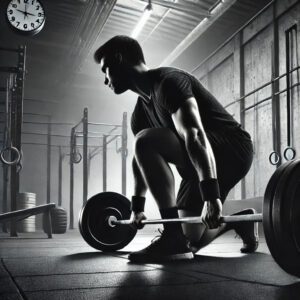
how to build discipline through gym routine. Many people start working out with motivation, but motivation fades quickly. What keeps you going is discipline – the ability to stick to your plan, show up consistently, and push through even when it feels difficult. In this guide, we’ll explore how to build discipline through gym routine, with practical strategies that can help you stay committed whether you train at home with GateGold Fitness equipment or at a professional facility with SoleFitness gear.


Why Discipline Matters in Fitness

The foundation of fitness is not built on one good workout but on the discipline to keep going day after day. Understanding how to build discipline through gym routine helps you:

  • Stick to your fitness goals.
  • Develop mental toughness.
  • Build consistency in strength and cardio training.
  • Create a healthier lifestyle beyond the gym.

Steps on How to Build Discipline Through Gym Routine

1. Set Clear and Realistic Goals

When learning how to build discipline through gym routine, start by setting achievable goals. Instead of saying, “I want to lose weight,” define it as: “I will train 4 times per week for the next 3 months.”


2. Create a Structured Gym Schedule

Discipline thrives on routine. Plan your workouts as appointments you cannot miss. Check out our post on Gym Schedule for Weight Loss for ideas on creating a time-efficient plan.


3. Start Small and Build Consistency

If you are new, don’t overwhelm yourself with long, intense workouts. Focus on small wins like completing three 30-minute workouts per week. Consistency is the foundation of discipline.


4. Track Progress and Celebrate Wins

Part of mastering how to build discipline through gym routine is measuring progress. Use fitness apps, training logs, or smart equipment like SoleFitness recumbent bikes to stay motivated.


5. Train Your Mind Along with Your Body

Gym discipline isn’t only physical – it’s mental. Build resilience by pushing through challenging workouts and using affirmations like “I am stronger than my excuses.” For more inspiration, read our motivational post: You Are Worth the Sweat.


Common Challenges in Building Gym Discipline

Even when you understand how to build discipline through gym routine, you’ll face obstacles:

  • Skipping workouts due to lack of time.
  • Losing interest after the first few weeks.
  • Struggling with soreness or fatigue.

The key is not perfection but persistence. Each time you get back up, you strengthen your discipline.


FAQs – How to Build Discipline Through Gym Routine

Q1: How long does it take to build gym discipline?
It usually takes 2–3 months of consistency for gym habits to become natural.

Q2: What if I lose motivation?
Discipline replaces motivation. Remind yourself why you started and stick to your schedule.

Q3: Can a home gym help me stay disciplined?
Yes! Having equipment from GateGold Fitness or SoleFitness makes training more accessible and removes excuses.

Q4: Should I work out daily to build discipline?

Not necessarily. Discipline is about consistency, not burnout. Aim for 3–5 structured workouts per week.
 

Sole Recumbent Bike Deep Dive

Sole Recumbent Bike Deep Dive


Sole Recumbent Bike Deep Dive

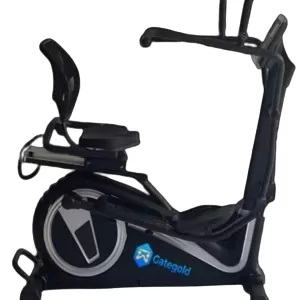
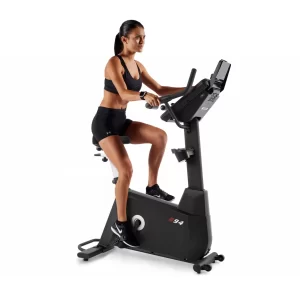
When it comes to comfortable, effective, and low-impact cardio training, the Sole Recumbent Bike Deep Dive proves why this machine is one of the best options for both beginners and seasoned fitness enthusiasts. A Sole Recumbent Bike Deep Dive reveals its design, features, and long-term benefits that make it stand out in the world of home and commercial fitness equipment. Whether you train at home with GateGold Fitness gear or explore models from SoleFitness, this guide helps you understand why the recumbent bike deserves a place in your workout routine.


Why Choose the Sole Recumbent Bike?

The Sole Recumbent Bike Deep Dive starts with understanding why this equipment is so popular. Unlike upright bikes, the recumbent bike provides excellent lumbar support, making it easier on the back and joints. This makes it perfect for people recovering from injuries, seniors, or anyone looking for a joint-friendly cardio option.

Some advantages include:

  • Ergonomic seat design with back support.
  • Low-impact cardio for knee and hip protection.
  • Smooth magnetic resistance system.
  • Quiet belt drive for home use.

Key Features of the Sole Recumbent Bike

Taking a closer look in this Sole Recumbent Bike Deep Dive, the standout features include:

  • Adjustable Seat & Backrest: Customizable for different body sizes.
  • Multiple Resistance Levels: Suitable for light recovery rides to intense endurance training.
  • Integrated Console: Tracks time, calories, heart rate, and distance.
  • Bluetooth & App Connectivity: Sync workouts with fitness apps for progress tracking.
  • Heavy Flywheel: Ensures smooth pedaling and long-lasting durability.

Benefits of Using a Sole Recumbent Bike

A Sole Recumbent Bike Deep Dive also highlights its health benefits. This machine supports:

  • Weight Loss: Consistent cardio burns calories effectively.
  • Improved Heart Health: Strengthens cardiovascular endurance.
  • Muscle Engagement: Works glutes, hamstrings, and calves.
  • Stress Relief: Lowers tension with rhythmic pedaling.

Sole Recumbent Bike vs Other Cardio Machines

When comparing in this Sole Recumbent Bike Deep Dive, here’s how it stacks up:

  • Vs. Upright Bikes: More comfortable and easier on posture.
  • Vs. Treadmills: Lower impact and joint-friendly.
  • Vs. Ellipticals: Better back support, though slightly less upper-body engagement.

For more comparisons, check out our post on Best Cardio Machines for Home Use (internal link).


Tips for Getting the Most from Your Sole Recumbent Bike

  • Warm up before every ride.
  • Maintain proper seat adjustment for posture.
  • Use interval training to burn more calories.
  • Pair workouts with strength training – see our Full Body Dumbbell Workout for ideas.

FAQs – Sole Recumbent Bike Deep Dive

Q1: Is the Sole Recumbent Bike good for beginners?
Yes, it’s excellent for beginners due to its comfortable seating and easy-to-use resistance settings.

Q2: Can I lose weight with a Sole Recumbent Bike?
Absolutely. Consistent workouts combined with a healthy diet make it effective for weight loss.

Q3: How long should I ride daily?
Start with 20–30 minutes, gradually increasing based on your fitness goals.

Q4: Is it suitable for people with back problems?
Yes, the lumbar support design makes it one of the best cardio options for individuals with back concerns.


Home Gym Safety Checklist

Home Gym Safety Checklist

Home Gym Safety Checklist

 Home Gym Safety Checklist

Creating your personal workout space is exciting, but it also comes with responsibilities. A Home Gym Safety Checklist is essential to ensure that your training environment is safe, effective, and supportive of your fitness goals. At GateGold and SoleFitness, we want you to maximize your workouts without risking injuries, so this guide will help you set up your gym the right way.


Why You Need a Home Gym Safety Checklist

Many people set up home gyms without considering the risks of poor equipment placement, lack of maintenance, or incorrect training habits. A Home Gym Safety Checklist ensures:

  • Proper equipment setup
  • Reduced risk of accidents
  • Long-term durability of machines
  • Peace of mind while working out

👉 You can also explore our article on Best Cardio Machines for Home Use to get equipment ideas that match both safety and performance.


 Essential Home Gym Safety Checklist Items

1. Secure Equipment Placement

Make sure treadmills, bikes, and weight machines are placed on level ground. Always leave enough space around machines for safe movement.

2. Regular Equipment Maintenance

Check bolts, cables, and belts on your machines regularly. Equipment from SoleFitness is designed for durability, but proper upkeep ensures longevity.

3. Flooring Matters

Invest in gym mats or rubber flooring to reduce slips, protect your joints, and prevent floor damage.

4. Proper Lighting & Ventilation

A safe gym space is well-lit and ventilated. Poor visibility can cause accidents, while good airflow boosts endurance.

5. First Aid & Emergency Preparedness

Keep a first-aid kit handy. Even small injuries need quick care to prevent long-term issues.


 Smart Training Practices for Home Gym Safety

Your Home Gym Safety Checklist isn’t just about equipment—it’s about how you train.

  • Warm up and cool down to prevent injury.
  • Use correct form to avoid strain.
  • Don’t lift more than you can handle.
  • Stay hydrated and take breaks.

👉 Read our motivational post You Are Worth the Sweat for encouragement on pushing through safely and effectively.


 Internal Links for Better Guidance

At GateGold and SoleFitness, we know safety is part of progress. For more guidance:


 FAQ – Home Gym Safety Checklist

Q1: How often should I check my home gym equipment?
A1: At least once a month, and more often if you use machines daily.

Q2: What flooring is best for a home gym?
A2: Rubber flooring or thick gym mats provide the best support and prevent accidents.

Q3: Do I need professional installation for home gym equipment?
A3: For larger machines like treadmills or multi-stations, professional setup ensures safety and proper alignment.


     You Are Worth the Sweat

    You Are Worth the Sweat

     You Are Worth the Sweat

You Are Worth the Sweat is not just a motivational phrase—it’s a reminder that every drop of effort you put into your fitness journey is an investment in yourself. At GateGold and SoleFitness, we believe that training hard, staying consistent, and pushing through challenges is proof that your health, strength, and happiness are worth fighting for. Fitness is not about punishing yourself; it’s about valuing yourself enough to show up, even when it’s tough.


 Why “You Are Worth the Sweat” Matters

Every workout requires energy, discipline, and dedication. Sometimes the process feels draining, but the results—both physical and mental—are worth it. When you remind yourself “You Are Worth the Sweat”, you are choosing long-term health over short-term comfort.

  • Sweat is a symbol of progress, not struggle.
  • It’s proof that you are challenging your limits.
  • It builds resilience not just in the gym but in life.

 Building Confidence Through Sweat

One of the greatest rewards of embracing the mindset “You Are Worth the Sweat” is the confidence it builds. When you see yourself showing up consistently, that workout, and pushing harder than before, you’re telling yourself that you’re capable, strong, and deserving of the transformation.

At GateGold and SoleFitness, we provide tools, equipment, and resources to help you experience these wins every day. From treadmills to dumbbells, every session can be a step closer to the best version of yourself.

👉 Check out our fitness equipment collection to level up your home and gym training.


 Internal Drive vs External Validation

In the beginning, no one may clap for you when you start your journey. But just like our motivational blog No One Clapped When I Started – But I Kept Going Anyway, this is your reminder that the sweat is for YOU. The real celebration is personal growth—the fact that you didn’t give up.


 Practical Ways to Embrace “You Are Worth the Sweat”

  • Set fitness goals – Define why you started.
  • Track your progress – Notice how much stronger, faster, or leaner you’ve become.
  • Celebrate small wins – Each rep, each run, each workout matters.
  • Invest in quality training tools – Using professional gear from GateGold, SoleFitness, or BuyFitnessProducts helps you stay committed.

 FAQ – You Are Worth the Sweat

Q1: How do I stay motivated when I feel tired?
A1: Remind yourself that You Are Worth the Sweat. Focus on your goals, visualize the results, and remember why you started.

Q2: Can sweating more help me lose weight faster?
A2: Sweat is an indicator of effort, not fat loss directly. However, consistent training and a proper gym schedule (see our post on Gym Schedule for Weight Loss) will help you achieve sustainable results.

Q3: What’s the best equipment to start with if I want to train at home?
A3: Treadmills, stationary bikes, and dumbbells are excellent for building consistency. You can explore options at SoleFitness and BuyFitnessProducts for quality equipment.


Sole Recumbent Bike Deep Dive

Gym Schedule for Weight Loss


Gym Schedule for Weight Loss

Creating the right Gym Schedule for Weight Loss is one of the most effective ways to ensure you stay consistent, burn fat, and reach your fitness goals. Many people start their journey with motivation but quickly lose focus because they don’t follow a structured plan. At GateGold and SoleFitness, we believe that the perfect balance of cardio, strength training, and recovery days is what makes a gym schedule sustainable and effective for long-term results.


 Why a Gym Schedule for Weight Loss is Important

When you have a Gym Schedule for Weight Loss, you avoid guesswork and wasted effort. Instead of walking into the gym unsure of what to do, you follow a routine designed to target fat loss while improving your overall strength and endurance. A schedule also helps prevent burnout, ensures you work all muscle groups, and keeps you motivated by tracking progress over time.

Read more on our blog about HIIT vs Strength Training to learn how different workouts affect fat loss.


 Sample Gym Schedule for Weight Loss

Here’s a simple yet effective Gym Schedule for Weight Loss you can follow:

Day 1: Full-Body Strength Training

  • Squats, Lunges, Bench Press, Dumbbell Rows, Plank Holds.

Day 2: Cardio & Core

  • Treadmill Intervals, Cycling, Mountain Climbers, Russian Twists.

Day 3: Rest or Active Recovery

  • Light walking, yoga, or stretching.

Day 4: Upper Body Strength

  • Push-ups, Lat Pulldowns, Shoulder Press, Bicep Curls, Tricep Dips.

Day 5: Cardio Endurance

  • 30–40 minutes of steady-state cardio on a treadmill, rowing machine, or elliptical.

Day 6: Lower Body Strength

  • Deadlifts, Step-Ups, Glute Bridges, Leg Press, Calf Raises.

Day 7: Rest or Low-Impact Activity

  • Gentle yoga, stretching, or a recovery walk.

For best results, pair this with the right equipment from SoleFitness and expert resources at GateGold.


Tips to Stick to Your Gym Schedule for Weight Loss

  1. Set Realistic Goals – Focus on progress, not perfection.
  2. Track Your Workouts – Use a journal or fitness app.
  3. Fuel Your Body Right – Pair your workouts with proper nutrition.
  4. Mix Strength and Cardio – Both are essential for fat loss.
  5. Stay Consistent – Results come from discipline, not shortcuts.

Check out our post on Supplements for Fat Loss to boost your journey.


 FAQs on Gym Schedule for Weight Loss

Q1: How many days a week should I go to the gym for weight loss?
A1: Ideally 4–6 days a week, combining cardio, strength training, and recovery.

Q2: Should I do more cardio or weights for fat loss?
A2: A balanced approach works best. Cardio helps burn calories, while strength training boosts metabolism and tones muscle.

Q3: Can I lose weight with a home gym schedule?
A3: Absolutely! Using equipment like treadmills, dumbbells, and resistance bands from SoleFitness can make your home workouts effective.


Conclusion

The right Gym Schedule for Weight Loss is about more than just burning calories—it’s about creating a sustainable fitness routine that keeps you consistent and motivated. By balancing cardio, strength training, and recovery, you’ll achieve results that last a lifetime.

At GateGold, SoleFitness, and BuyFitness, we’re here to guide you with expert tips, equipment, and support so your weight loss journey never feels like a struggle but a lifestyle shift.


Best Elliptical Machines1

 Let This Be the Year You Choose Yourself

 Let This Be the Year You Choose Yourself

 Let This Be the Year You Choose Yourself

Let This Be the Year You Choose Yourself – these words are more than just motivation; they’re a promise to your body, mind, and soul. In fitness, in health, and in life, choosing yourself means finally making your goals and well-being a priority. At GateGold and SoleFitness, we believe that when you commit to this mindset, you unlock the strength, discipline, and confidence that have been inside you all along.


H2: Why “Let This Be the Year You Choose Yourself” Matters

Every year, people set resolutions they never follow through with. But when you say Let This Be the Year You Choose Yourself, it’s not about temporary promises—it’s about sustainable change. Choosing yourself means showing up to your workouts, fueling your body with nutritious food, and protecting your mental health from negativity.

When you put yourself first, you create a ripple effect. A healthier, stronger, and happier version of you shows up in your relationships, work, and every area of life.


H2: How Fitness Helps You Choose Yourself

Fitness is the best way to embody the phrase Let This Be the Year You Choose Yourself. Consistent training isn’t just about looking better; it’s about feeling better, moving better, and living longer. Whether it’s strength training, CrossFit, yoga, or cardio, exercise teaches discipline and reminds you daily that you matter.

At SoleFitness and GateGold, we provide the equipment, guides, and resources you need to stay committed to your goals—because your transformation begins when you choose yourself.


H2: Steps to Start Choosing Yourself This Year

  1. Set Clear Goals – Write down what you want to achieve and why.
  2. Prioritize Your Health – Make fitness and nutrition part of your daily routine.
  3. Invest in Yourself – Use tools like a treadmill, resistance bands, or dumbbells to create consistency.
  4. Protect Your Energy – Remove distractions and people that drain your motivation.
  5. Celebrate Small Wins – Progress is built on small steps repeated daily.

Check out our blog on Fitness Motivation to Start to learn more about building momentum.


H2: FAQs on “Let This Be the Year You Choose Yourself”

Q1: What does it mean to choose yourself in fitness?
A1: It means making your health, workouts, and nutrition non-negotiable priorities in your daily routine.

Q2: How can I stay motivated all year?
A2: Start small, be consistent, and track your progress. Using equipment from SoleFitness and resources from GateGold can keep you accountable.

Q3: Is it selfish to choose yourself?
A3: Not at all—choosing yourself means you can show up stronger for others. Self-care is the foundation of everything else.


Conclusion

Let This Be the Year You Choose Yourself—not next year, not someday, but now. Every rep, every workout, every healthy choice is an act of self-love. With the right tools, support, and mindset, you’ll build a version of yourself that you’ll be proud of.

At GateGold, SoleFitness, and BuyFitness, we’re here to help you stay committed, stay consistent, and most importantly—choose yourself every single day.


Best Cardio Machines for Home Use

Best Cardio Machines for Home Use
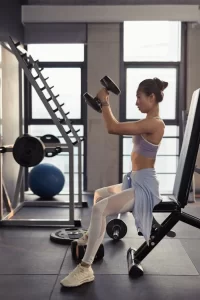
 

Best Cardio Machines for Home UseBest Cardio Machines for Home Use

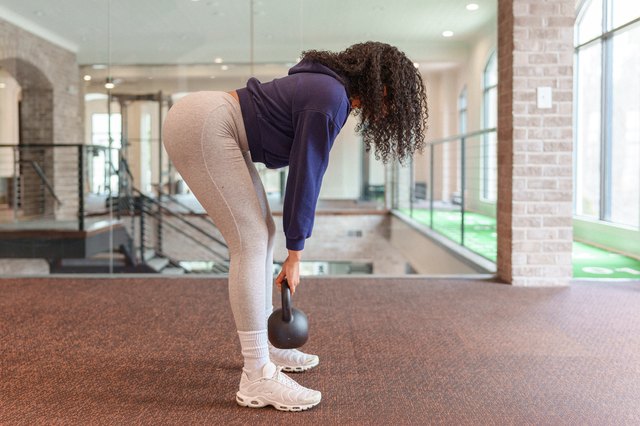
When it comes to staying active without leaving the comfort of your house, the Best Cardio Machines for Home Use can make all the difference. Whether your goal is fat loss, improved endurance, or better heart health, having the right equipment at home allows you to train consistently and save time. In this blog, we’ll explore the Best Cardio Machines for Home Use, why they matter, and how to choose the perfect fit for your fitness journey.


Why the Best Cardio Machines for Home Use Matter

Investing in the Best Cardio Machines for Home Use ensures you never miss a workout, regardless of the weather, traffic, or busy schedule. Cardio training is essential for improving cardiovascular health, boosting metabolism, burning calories, and reducing stress. With a machine at home, your fitness journey becomes more flexible and sustainable.

👉 Related post: Treadmill: Incline vs Flat Running


Top Picks: Best Cardio Machines for Home Use

1. Treadmills

The treadmill is one of the Best Cardio Machines for Home Use because it offers walking, jogging, or running options for all fitness levels. Modern treadmills also come with incline features to mimic outdoor terrains, increasing calorie burn and strength.


2. Exercise Bikes

Exercise bikes provide a low-impact cardio option, making them one of the Best Cardio Machines for Home Use for people with joint concerns. They improve cardiovascular endurance, strengthen legs, and burn fat.


3. Rowing Machines

Rowing machines are among the Best Cardio Machines for Home Use because they provide a full-body workout, engaging both upper and lower body muscles. They are excellent for endurance, strength, and calorie burning.


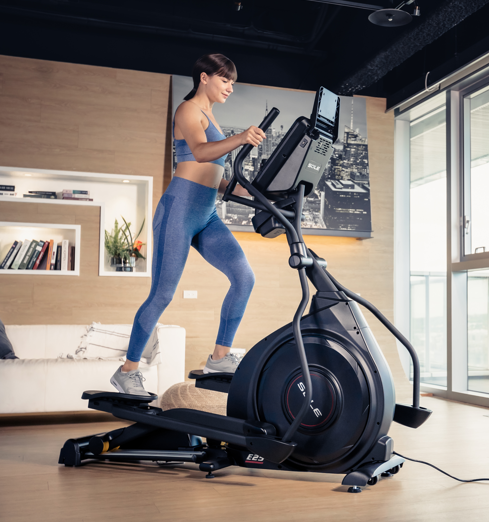
4. Elliptical Trainers

Ellipticals are one of the Best Cardio Machines for Home Use for low-impact workouts. They reduce strain on knees and joints while still providing a high-calorie burn.


5. Stair Climbers

Stair climbers replicate the motion of climbing stairs, which makes them an intense but effective option among the Best Cardio Machines for Home Use. They target the lower body while giving a cardiovascular challenge.


How to Choose the Best Cardio Machines for Home Use

When selecting the Best Cardio Machines for Home Use, consider:

  • Your fitness goals (weight loss, endurance, strength).
  • Space available at home.
  • Budget and durability.
  • Features like heart rate monitors, incline, resistance levels, and workout programs.

FAQs on Best Cardio Machines for Home Use

1. Which cardio machine burns the most calories?

The treadmill and rowing machine are among the Best Cardio Machines for Home Use for calorie burning due to their intensity.

2. What is the most joint-friendly cardio machine?

The elliptical and stationary bike are the Best Cardio Machines for Home Use for people with joint issues.

3. Can I lose belly fat using cardio machines?

Yes! Consistent workouts on the Best Cardio Machines for Home Use, combined with a healthy diet, help reduce overall body fat, including belly fat.


Final Thoughts

The Best Cardio Machines for Home Use allow you to maintain a consistent fitness routine without stepping outside. From treadmills to rowing machines, there’s an option for every fitness level and lifestyle. Whether you’re training for weight loss, endurance, or heart health, investing in the Best Cardio Machines for Home Use will help you stay on track and motivated.

👉 Explore our full range at GateGold Fitness and SoleFitness for the best home workout solutions.


Hydration and Performance

CrossFit vs Strength Training: Which One Should You Choose?


CrossFit vs Strength Training: Which One Should You Choose?

CrossFit vs Strength Training: Which One Should You Choose?

CrossFit vs Strength Training has become one of the most common debates in the fitness world. Whether you’re aiming for better endurance, raw strength, or a balanced fitness lifestyle, both training styles have unique benefits. At GateGold and SoleFitness, we believe choosing the right workout depends on your fitness goals, body type, and long-term lifestyle. In this blog, we’ll break down the differences, benefits, and drawbacks of CrossFit vs Strength Training to help you decide which is best for you.


What is CrossFit?

CrossFit is a high-intensity functional training program that combines cardio, Olympic lifts, gymnastics, and bodyweight exercises into short, powerful workouts. It is designed to improve strength, speed, endurance, and agility all at once.

👉 Example: A typical CrossFit session might include burpees, box jumps, kettlebell swings, and deadlifts performed back-to-back.

🔗 Related: Functional Fitness for Everyday Life


What is Strength Training?

Strength Training focuses on building muscle mass, raw strength, and endurance through structured resistance-based workouts. It typically includes barbell lifts, dumbbell exercises, and resistance machines with progressive overload.

👉 Example: A Strength Training program might include bench press, squats, deadlifts, and pull-ups with specific rep ranges and rest periods.

🔗 Check out: Full Body Resistance Band Workout


CrossFit vs Strength Training: Key Differences

1. Training Style

  • CrossFit: High-intensity, varied workouts with little rest.
  • Strength Training: Structured, progressive overload with planned rest times.

2. Goals

  • CrossFit: Build overall fitness, endurance, and agility.
  • Strength Training: Build maximum strength and muscle mass.

3. Injury Risk

  • CrossFit: Higher risk if form is ignored due to intensity.
  • Strength Training: Lower risk if proper form and progression are followed.

Benefits of CrossFit vs Strength Training

Benefits of CrossFit

  • Improves cardio and stamina
  • Builds functional strength for real-life movement
  • Community-driven environment

Benefits of Strength Training

  • Increases muscle size and strength
  • Supports fat loss through muscle development
  • Improves bone density and posture

Which is Better: CrossFit vs Strength Training?

The choice between CrossFit vs Strength Training depends on your goals:

  • If you want overall fitness and a mix of cardio + strength, go with CrossFit.
  • If you want to build muscle and maximize strength, focus on Strength Training.
  • A hybrid approach — combining both styles — can also provide the best of both worlds.

FAQs on CrossFit vs Strength Training

1. Is CrossFit better than Strength Training for fat loss?

CrossFit burns more calories per session, but Strength Training builds muscle that increases metabolism. Both help with fat loss effectively.

2. Can I combine CrossFit and Strength Training?

Yes! Many athletes combine both by using CrossFit for conditioning and Strength Training for muscle growth.

3. Which is safer: CrossFit or Strength Training?

Strength Training is generally safer if done with proper form. CrossFit can be safe too, but requires supervision and proper scaling of workouts.

Gym Schedule for Weight Loss

How to Stay Fit in Your 40s

How to Stay Fit in Your 40s

Aging doesn’t mean slowing down; instead, it means getting smarter about your health. How to Stay Fit in Your 40s is about balancing strength training, functional fitness, cardio, and proper nutrition to ensure longevity and energy. At Gategold and SoleFitness, we believe your 40s can be the strongest decade of your life if you approach fitness with discipline and consistency.


 Why How to Stay Fit in Your 40s Matters

As the body changes, metabolism naturally slows, recovery takes longer, and joint health becomes more important. That’s why How to Stay Fit in Your 40s is crucial – it ensures you can prevent age-related decline while improving strength, endurance, and overall quality of life.

A structured plan helps you:

  • Maintain lean muscle mass

  • Boost metabolism

  • Support heart health

  • Reduce the risk of chronic conditions like diabetes and hypertension


 Strength Training – The Secret to Staying Fit in Your 40s

One of the most effective strategies for How to Stay Fit in Your 40s is strength training. Lifting weights or using resistance bands preserves muscle, strengthens bones, and improves posture.

At SoleFitness, we recommend incorporating compound movements such as squats, lunges, push-ups, and deadlifts. You can also explore our guide to a Full Body Resistance Band Workout for at-home training options.


 Cardio & Functional Training for Everyday Strength

Cardio in your 40s isn’t about endless hours on the treadmill—it’s about improving heart health and endurance. Mix low-impact cardio like cycling, walking, or swimming with high-intensity workouts for maximum benefit.

In addition, functional training is key. As discussed in our Functional Fitness for Everyday Life, exercises that mimic real-life movements improve balance, mobility, and injury prevention.


 Nutrition Tips for How to Stay Fit in Your 40s

Exercise alone isn’t enough. Nutrition plays a huge role in How to Stay Fit in Your 40s. Focus on:

  • Lean proteins to preserve muscle

  • High-fiber foods to improve digestion

  • Omega-3 fatty acids for joint and heart health

  • Hydration to support energy and recovery

Avoid crash diets and instead prioritize balance and sustainability. Supplements such as fat loss support can also be useful when guided by professionals.


 FAQs – How to Stay Fit in Your 40s

Q1: How many times a week should I work out in my 40s?
A: Aim for at least 4–5 workouts weekly, combining strength, cardio, and flexibility training.

Q2: Is it too late to start fitness in my 40s?
A: Not at all. Your 40s are the perfect time to build lasting habits for strength and health.

Q3: How can I avoid injuries when exercising in my 40s?
A: Prioritize warm-ups, mobility training, and proper form. Work with trainers at Gategold or SoleFitness for professional guidance.

Q4: Should I use supplements in my 40s?
A: Supplements can help, but focus on a balanced diet first. Speak with a health expert before adding them.


Conclusion

How to Stay Fit in Your 40s is about working smarter, not harder. With the right mix of strength training, cardio, nutrition, and functional fitness, your 40s can become your strongest, healthiest, and most vibrant years.

At Gategold, SoleFitness, and BuyFitness, we provide the tools, knowledge, and support to help you thrive through every stage of your fitness journey.

No One Clapped When I Started – But I Kept Going Anyway

No One Clapped When I Started – But I Kept Going Anyway

No One Clapped When I Started – But I Kept Going Anyway

 Starting a fitness journey is often lonely, and No One Clapped When I Started – But I Kept Going Anyway is a reminder that greatness is built in silence. When you first step into the gym, pick up that dumbbell, or commit to a morning run, no one is there to celebrate your effort. Yet, persistence, discipline, and consistency are what eventually bring results that even the world cannot ignore.

At Gategold and SoleFitness, we believe that the hardest applause to earn is your own – but once you achieve it, no one can take it away.


H2: Why No One Clapped When I Started – But I Kept Going Anyway Matters in Fitness

When you begin, the results are invisible. Fatigue sets in before transformation shows. People may doubt you, mock you, or simply ignore your efforts. But when you hold on to the phrase No One Clapped When I Started – But I Kept Going Anyway, you remind yourself that progress is personal, and the reward is worth the sacrifice.

Fitness isn’t about external validation; it’s about resilience, strength, and rewriting your story.


H2: The Power of Silent Progress

Your body doesn’t change overnight. Weight loss, muscle growth, improved endurance – these require months, sometimes years, of silent dedication. Just like an athlete training before competition, No One Clapped When I Started – But I Kept Going Anyway reflects the reality of pushing through when no one notices.

At SoleFitness, we encourage building strength step by step – whether through functional training, resistance workouts, or structured cardio plans.


H2: Turning Discipline Into Transformation

Discipline is doing the work even when there is no applause. Whether it’s hitting the treadmill, following your weekly workout plan, or committing to healthy nutrition, it’s the consistency that fuels transformation.

The phrase No One Clapped When I Started – But I Kept Going Anyway is proof that what you start in private will eventually shine in public.


H2: FAQs – Staying Motivated When No One Claps

Q1: How do I stay motivated when no one supports me?
A: Focus on your “why.” Remind yourself why you started, track your small wins, and trust the process.

Q2: Is it normal to feel discouraged in the beginning?
A: Yes. Most people feel doubt and fatigue before seeing results. Stay consistent, and progress will become visible.

Q3: What tools can help me stay accountable?
A: Use workout journals, fitness apps, or partner with trainers at Gategold or SoleFitness to keep yourself on track.


Conclusion

No One Clapped When I Started – But I Kept Going Anyway isn’t just a phrase – it’s a movement of self-belief and discipline. The journey to fitness is quiet at first, but every rep, every drop of sweat, and every early morning run builds a story of resilience that will inspire others later.

At Gategold and SoleFitness, we stand with you in that silence – until the applause arrives.

Search for products

Back to Top
Product has been added to your cart