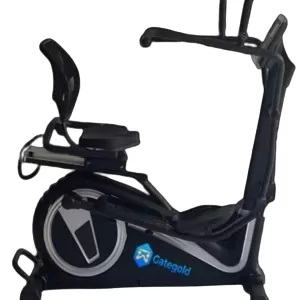
Sole Recumbent Bike Deep Dive

Real Fitness Takes Time: How to Stay on Track Without Rushing the Process

Real Fitness Takes Time: How to Stay on Track Without Rushing the Process

In an age of instant gratification and 30-day transformations, it’s tempting to think that fitness results should come fast—or that if they don’t, something is wrong with you. But here’s the truth: real fitness takes time. And that’s not a bad thing. It means you’re doing it right—building habits, strength, and resilience that will last a lifetime.

If you’re feeling impatient or discouraged by slow progress, you’re not alone. This post is your reminder that fitness is a journey, not a race—and the best results are the ones you earn steadily, not quickly.


1. Why Quick Fixes Don’t Stick

You’ve probably seen ads promising six-pack abs in 14 days or extreme weight loss in a week. These quick fixes often rely on unsustainable methods—like starvation diets, overtraining, or dehydration tricks. They may show fast results, but they almost always lead to burnout or rebound.

Real fitness isn’t about speed—it’s about sustainability. The goal isn’t to get fit for a month; it’s to stay strong, healthy, and active for life.


🧠 2. Patience Builds Discipline—and That’s the Real Win

When you learn to wait, stay consistent, and show up even when results are slow, you’re building something more valuable than muscle—you’re building discipline. And discipline is what turns short-term effort into long-term transformation.

Each workout you do when motivation is low, every healthy meal you choose when it would be easier not to—that’s progress. And it’s these moments that lead to real, lasting change.


💪 3. Progress Happens in Small, Powerful Steps

You might not see a dramatic transformation in a week, but maybe:

  • You lifted heavier than last time

  • You didn’t skip a workout this week

  • You’re sleeping better

  • You’re thinking clearer

  • Your clothes fit differently

  • You feel stronger mentally

These are real victories. They may be subtle at first, but over time, they add up to incredible change.


🔄 4. Comparison Is the Thief of Progress

Everyone’s body responds to fitness differently. Some lose weight fast, others build strength slowly. Some have more time, fewer responsibilities, or different genetics. If you constantly compare your pace to others, you’ll always feel like you’re falling behind.

Focus on your own lane. Track your own progress. Celebrate your wins, no matter how small.


🧘 5. Rest and Recovery Are Part of the Process

It might seem like more workouts = faster results, but that’s a myth. Your body needs time to rebuild and grow stronger. Rest days, sleep, hydration, and stretching are all essential to your success.

When you rest intentionally, you prevent injuries, reduce burnout, and give your body the recovery it needs to keep going for the long haul.


🎯 6. Set Realistic Goals with Long-Term Focus

Short-term challenges can be motivating, but they shouldn’t be your only strategy. Instead of “I want to lose 10kg in 2 weeks,” try:

  • “I want to work out 4 times a week for the next 3 months”

  • “I want to feel more energetic and sleep better”

  • “I want to build strength and reduce stress”

Shift your mindset from results to routines. When your goal is consistency, results follow naturally.


❤️ Final Thoughts: Progress, Not Perfection

Your journey is valid even if it’s slow, even if no one else sees it yet, and even if you’ve had setbacks. Real fitness takes time because real change takes time.

Give yourself the grace to grow at your own pace. Show up. Keep learning. Keep moving.

Because slow progress is still progress—and it’s the kind that lasts.

Visit our showrooms in Lagos, Abuja, Port Harcourt, Onitsha, and other branches nationwide. We deliver nationwide

Embrace Your Path: Why Your Fitness Journey Shouldn’t Look Like Everyone Else’s

Embrace Your Path: Why Your Fitness Journey Shouldn’t Look Like Everyone Else’s

In a world driven by comparison—before-and-after photos, viral transformation reels, and endless highlight reels—it’s easy to feel like your fitness journey isn’t measuring up. But the truth is simple and powerful: your fitness journey is yours alone, and it’s not meant to look like anyone else’s.

Whether you’re just starting out, bouncing back after a break, or navigating challenges like health conditions, age, or time limitations, your progress is still valid. Here’s why honoring your personal path is the most empowering choice you can make.


🔄 1. Fitness Is Not One-Size-Fits-All

No two bodies are alike. Genetics, body type, metabolism, lifestyle, and past fitness experience all play a role in how fast or slow progress happens. Some people build muscle quickly. Others take longer. Some drop weight with cardio, others respond better to strength training. The idea that one “right” way exists is not only unrealistic—it’s damaging.

👉 Instead of mimicking someone else’s journey, focus on understanding what works for your body, your energy levels, and your schedule.


🧠 2. Mental Growth Is as Important as Physical Results

Your mindset is the foundation of long-term fitness. While others may post their visible gains, what you don’t see is the internal transformation—the grit, discipline, and resilience built along the way.

If you’re developing consistency, staying disciplined even when results are slow, or showing up on tough days, that’s powerful progress. Mental toughness is a form of fitness that comparison can’t measure.


3. Progress Takes Time—And That’s Okay

Quick fixes and 30-day challenges may work for some, but lasting transformation takes time. If you’re not seeing dramatic changes in a few weeks, you’re not failing—you’re laying a strong, steady foundation. Building strength, endurance, and healthier habits often means slow but sustainable progress.

👉 Your pace doesn’t define your success—your persistence does.


💬 4. Social Media Is a Highlight Reel, Not the Full Story

Online fitness content can be inspiring—but it can also lead to self-doubt. What you’re seeing is usually a carefully selected moment, not the years of hard work, plateaus, injuries, or mental battles that came before it.

Don’t compare your Day 10 to someone else’s Year 5. Instead, keep track of your own improvements, no matter how small they seem.


❤️ 5. Your Goals Might Be Different—And That’s a Good Thing

Not everyone wants to have six-pack abs or run a marathon. For some, the goal is to feel energetic chasing their kids. For others, it’s recovering from illness, improving mobility, building confidence, or simply living without pain.

Fitness is personal. Defining your own goals and celebrating your progress toward them is where true fulfillment lies.


🧘‍♀️ 6. Rest, Recovery & Life Balance Matter Too

You may see others working out every day or doing intense programs, but that doesn’t mean it’s right for you. If you’re juggling work, family, stress, or health conditions, your capacity will differ—and that’s okay. Rest is not weakness; it’s a strategy. A balanced routine that fits your life is more powerful than any extreme plan.


🌱 Final Thoughts: Stay in Your Lane, Grow at Your Pace

Your fitness journey is a deeply personal evolution—of the body, the mind, and the spirit. It’s okay to walk when others run. It’s okay to take detours, slow down, or restart. What matters most is that you keep going.

Let your progress be defined by your values, your goals, and your effort—not by someone else’s timeline.


💬 Ready to Own Your Journey?

Every rep, every step, and every rest day is part of your story. Stay focused on your lane, trust the process, and remember—you are your only competition.

Visit our showrooms in Lagos, Abuja, Port Harcourt, Onitsha, and other branches nationwide. We deliver nationwide

Fitness Is More Than a Look

Empowering Women Through Fitness: Top Gym Equipment Every Female-Focused Facility Needs

Empowering Women Through Fitness: Top Gym Equipment Every Female-Focused Facility Needs

As more women embrace strength, wellness, and fitness, women-focused gyms are becoming powerful spaces for health and transformation. But what sets these gyms apart? Beyond the atmosphere and community, the right gym equipment for women-focused gyms plays a vital role in supporting their journey.

Whether you’re setting up a new facility or upgrading your space, here’s a comprehensive guide to the top equipment that supports women’s unique fitness goals—from strength training and cardio to flexibility and recovery.


💪 1. Adjustable Resistance Machines for Full-Body Strength

Women-focused gyms thrive when members feel safe and confident using equipment. Machines like the leg press, lat pulldown, and cable machines offer targeted strength training without the intimidation factor of free weights. Adjustable settings and ergonomic designs make them user-friendly for all fitness levels.

Top Pick: Multi-functional cable crossover machine for upper & lower body workouts.


🏃‍♀️ 2. Low-Impact Cardio Machines for Heart Health & Endurance

Many women prefer cardio for fat loss and stamina. Opt for ellipticals, recumbent bikes, and treadmills with cushioning to reduce joint stress while keeping the heart rate up. Women in recovery, postpartum, or just starting out appreciate machines that are easy on the knees and back.

Top Pick: Elliptical trainer with incline & resistance control.


🧘‍♀️ 3. Functional Training Equipment for Core & Balance

Kettlebells, medicine balls, resistance bands, and Bosu balls encourage dynamic movement and improve core stability—vital for overall strength and injury prevention. Women enjoy group functional training classes or using these tools in their own circuits.

Top Pick: Full set of color-coded resistance bands & kettlebells.


🧱 4. Strength Stations That Support Progressive Training

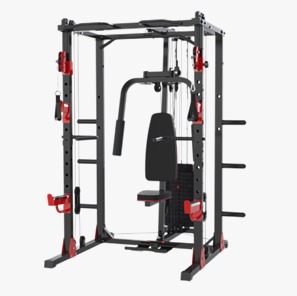
Progressive overload is key for building lean muscle, and many women are embracing this! A Smith machine, squat rack, and adjustable bench allow controlled, safe lifting with the option to progress over time.

Top Pick: Compact Smith machine with safety locks and smooth bar path.


🎧 5. Recovery Tools and Wellness Additions

Wellness isn’t just about working out—it’s also about recovering well. Foam rollers, massage chairs, and portable steam saunas help reduce soreness and promote relaxation post-exercise. These tools are particularly popular in women-focused environments where stress relief is a key benefit.

Top Pick: Massage chair with heat therapy and Bluetooth audio.


👜 6. Accessories That Make a Difference

Small but mighty, accessories like yoga mats, ankle weights, gliders, and jump ropes allow for variety in training. They’re perfect for HIIT sessions, Pilates, and mobility routines that many women enjoy incorporating into their workouts.

Top Pick: Non-slip yoga mat with alignment guide.


🏋️ Why Choosing the Right Equipment Matters

Women-focused gyms aren’t about shrinking bodies—they’re about building strength, confidence, and community. The equipment you choose should reflect this mission by being inclusive, versatile, and empowering. Whether you’re catering to beginners or seasoned athletes, quality gear supports better results and higher retention.


🎯 Final Thoughts

Creating a women-focused gym isn’t just about paint colors and playlists—it’s about designing a space that welcomes, supports, and uplifts women in every phase of their fitness journey. By investing in the right gym equipment for women-focused gyms, you not only build a functional facility—you create a movement

Visit our showrooms in Lagos, Abuja, Port Harcourt, Onitsha, and other branches nationwide. We deliver nationwide

Gym Etiquette: What Not to Do

Embracing the Fitness Journey: How to Stay Committed for Life, Not Just for Quick Results

Fitness Is a Journey, Not a Race: How to Stay Committed

In a world obsessed with quick fixes, overnight transformations, and “summer body” countdowns, it’s easy to feel pressured to achieve fitness results fast. But the truth is—fitness is a journey, not a race. Real, lasting results take time, patience, and consistency. Whether you’re just starting out or you’ve hit a plateau, staying committed to your fitness journey requires the right mindset, realistic expectations, and a deeper understanding of why you started in the first place.


1. Shift Your Mindset From Instant Results to Long-Term Health

One of the biggest barriers to fitness success is the expectation of instant gratification. Social media often glamorizes dramatic before-and-after photos without showing the effort behind them. But real transformation is built on small daily choices: choosing a healthy meal, pushing through a tough workout, or getting enough sleep.

Start by redefining success. Instead of focusing only on the number on the scale or how fast you can get abs, celebrate how much stronger, more energetic, and mentally resilient you’re becoming.


2. Set Realistic and Meaningful Goals

Your goals should motivate you—not stress you out. Break big goals into smaller, manageable milestones. For example:

  • Instead of “I want to lose 10kg in a month,” try “I want to move my body at least 4 times this week.”

  • Instead of “I want to lift heavy,” try “I want to increase my squat weight by 5kg this month.”

By celebrating small wins, you’ll stay motivated and feel accomplished along the way.


3. Embrace the Process, Not Just the Outcome

The real magic happens in the process—the early mornings, the sweat, the moments when you didn’t feel like working out but did it anyway. Each day you show up, you’re building discipline, mental toughness, and self-respect.

Focusing only on the outcome can make the journey feel like a chore. But when you embrace the journey, the workouts become part of who you are—not just a task to check off.


4. Accept Setbacks as Part of the Journey

There will be days when you miss a workout. There will be weeks where life throws you off track. That’s normal—and expected. The key is not to let setbacks define you. Progress isn’t about perfection; it’s about returning, again and again, to your purpose.

Use every obstacle as a lesson. Did stress lead to emotional eating? Did travel interrupt your routine? Learn from it and move forward. Growth happens when you push through, not when you give up.


5. Make It Sustainable, Not Extreme

Extreme diets, intense workout programs, or unrealistic expectations often lead to burnout. Instead, create a fitness lifestyle you can actually live with. This includes:

  • Eating nourishing meals that satisfy you.

  • Exercising in ways you actually enjoy—whether that’s lifting weights, dancing, cycling, or walking.

  • Taking rest days when your body needs recovery.

  • Finding balance between fitness and fun.

Sustainability is what keeps you committed in the long run.


6. Surround Yourself with Support

Staying committed is easier when you’re not doing it alone. Whether it’s a workout partner, a supportive coach, or an online fitness community—surround yourself with people who encourage your progress.

You can also follow fitness pages like Gategold, SoleFitness, or BuyFitness for daily motivation, workout ideas, and quality equipment that makes your fitness journey smoother and more enjoyable.


7. Remember Why You Started

When motivation fades, remind yourself of your “why.” Was it to feel more confident? Be more active with your kids? Improve your health markers? Strengthen your mental health? Whatever your reason, reconnect with it often. Write it down. Say it out loud. Let it guide you when things get tough.


Final Thoughts

Fitness is not a competition. It’s a lifelong commitment to becoming the best version of yourself. There will be ups and downs, fast progress and slow seasons—but if you stay consistent, patient, and kind to yourself, you’ll always move forward.

So, take a breath, trust the process, and keep going. Because in the journey of fitness, every step counts

Visit our showrooms in Lagos, Abuja, Port Harcourt, Onitsha, and other branches nationwide. We deliver nationwide

Discover why a functional trainer is a must-have for any home or commercial gym. Learn how it boosts strength, saves space, and supports all fitness levels

Unlocking Versatility: Why Every Home and Commercial Gym Needs a Functional Trainer

Unlocking Versatility: Why Every Home and Commercial Gym Needs a Functional Trainer

In today’s evolving fitness world, versatility and efficiency are more valuable than ever — whether you’re equipping a commercial facility or curating your personal workout space. One piece of equipment that stands out in both settings is the functional trainer. Often underestimated, this machine offers far more than meets the eye, and it’s quickly becoming a must-have in modern gyms. So, if you’re still wondering whether it’s worth the investment, here’s why adding a functional trainer to your gym is a game-changer.


What Is a Functional Trainer?

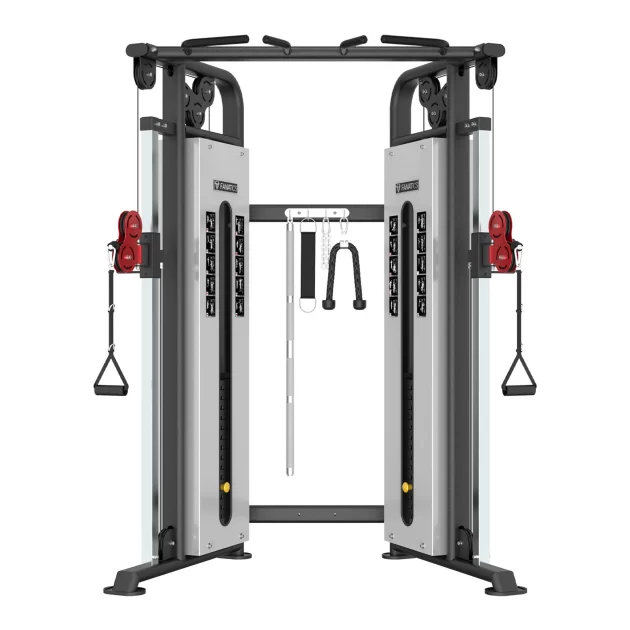
A functional trainer is a multi-purpose strength training machine equipped with adjustable pulleys and cables. It allows users to perform a wide variety of exercises targeting every major muscle group — with the freedom of movement that closely mimics real-life, functional activities like lifting, twisting, pushing, or pulling.

It typically includes attachments like handles, ropes, and bars, making it adaptable to hundreds of movements. Functional trainers are suitable for beginners, advanced athletes, physical therapy patients, and general fitness enthusiasts alike.


1. Maximum Versatility in a Compact Footprint

One of the biggest selling points of a functional trainer is that it replaces multiple machines. From chest presses and lat pulldowns to squats, bicep curls, and core rotations — you can do it all. This makes it an excellent choice for home gyms with limited space and commercial gyms that want to offer more in less square footage.

Whether you’re working out in your garage or running a fitness center, a functional trainer saves space without compromising variety.


2. Suitable for All Fitness Levels and Goals

Functional trainers offer adjustable resistance levels, making them ideal for users of all experience levels. Whether your goal is to build muscle, burn fat, recover from injury, or increase flexibility, this equipment adapts to your needs.

  • Beginners benefit from the guided motion and low-impact design.

  • Advanced users enjoy the ability to perform complex, compound movements.

  • Rehab and senior users find it safer for joints and easy to control.

It’s one of the few machines that bridges the gap between rehabilitation and performance training.


3. Builds Strength Through Functional Movement

Unlike traditional machines that isolate muscles in fixed patterns, functional trainers allow free movement in multiple planes. This helps strengthen your body as a unit, improving balance, coordination, and core stability — essential for everyday tasks and athletic performance.

Think about lifting groceries, playing sports, or simply carrying a child — the movements you train on a functional trainer translate directly to real-life strength.


4. Enhances Core Engagement with Every Exercise

Because you’re not locked into a fixed position, your core must stabilize your body during every movement. Whether you’re doing standing rows, cable chops, or single-arm presses, the core is always activated.

This consistent engagement makes it easier to:

  • Improve posture

  • Reduce lower back pain

  • Enhance athletic performance

  • Build a solid foundation for other lifts


5. Safe and Beginner-Friendly

Unlike free weights that require strict form and spotters, functional trainers guide your movement, reducing the risk of injury. The controlled environment is less intimidating for new users and allows safer experimentation with exercises.

Plus, the machine comes with clear instructions and color-coded weight stacks, so there’s no confusion about how to start or progress.


6. Cost-Effective Investment for Any Gym

While functional trainers may seem like a higher upfront cost, they replace multiple machines and tools — making them a smart long-term investment. For commercial gyms, that means fewer machines to purchase and maintain. For home gyms, it means getting a full-body workout without crowding your space.

It’s one piece of equipment with nearly unlimited training potential.


7. Easily Customizable for Group or Solo Workouts

Whether you’re training clients one-on-one, running circuit classes, or working out alone, functional trainers are easily adjustable to suit different users and workouts back-to-back. You can switch attachments and adjust pulley positions in seconds, making it a time-efficient tool in busy environments.


Final Thoughts: A Must-Have for Modern Fitness Spaces

In a world where efficiency, variety, and results matter, a functional trainer is one of the smartest additions you can make to your gym. Its adaptability, safety, and total-body training potential make it valuable for both beginners and elite athletes, in both home and commercial settings.

If you’re building a serious fitness space — whether in your home, hotel, studio, or corporate gym — don’t overlook this powerhouse. With a functional trainer, you’re not just buying equipment — you’re investing in endless possibilities.


Recommended Functional Trainers Available at Gategold/SoleFitness/BuyFitness:

  • Multi-Functional Cable Crossover Machines

  • Smith Machine + Functional Combo Systems

  • Compact Dual Pulley Functional Trainers

Visit our showrooms in Lagos, Abuja, Port Harcourt, Onitsha, and other branches nationwide. We deliver nationwide

Learn how to store and protect your gym equipment during the rainy season. Keep your investments safe from rust, moisture damage, and corrosion with these expert tips

Essential Tips to Store and Protect Your Gym Equipment During the Rainy Season

Introduction

When the rainy season rolls in, it brings more than just cooler temperatures and cloudy skies — it also brings humidity, leaks, and moisture that can severely damage your valuable gym equipment. Whether you own a home gym or manage a commercial fitness center, knowing how to store and protect your equipment during rainy season is crucial to prolonging its life and ensuring optimal performance.

From rust and electrical issues to mold and flooring problems, the risks are real — but preventable. This guide outlines everything you need to do to shield your investment from the harsh effects of rainy weather.


Why the Rainy Season Is Dangerous for Gym Equipment

Humidity and water exposure can wreak havoc on different types of fitness equipment. Here’s what can go wrong:

  • Metal components may rust, especially on free weights, dumbbells, bars, and machine frames.

  • Electronic parts can short-circuit, such as treadmill consoles, bikes, or elliptical systems.

  • Rubber and foam materials like grips, mats, and benches can absorb moisture and grow mold or mildew.

  • Wooden or MDF parts in benches or storage racks can swell, warp, or rot.


1. Choose the Right Storage Location

The first step in protecting your fitness equipment is where you store it:

  • Avoid outdoor or semi-open areas.

  • Use a well-ventilated, moisture-controlled room — ideally with a dehumidifier or fan.

  • Keep equipment off the ground by using racks, pallets, or rubber mats to prevent direct contact with a damp floor.


2. Use Protective Covers and Wraps

Invest in water-resistant covers specifically designed for gym machines, treadmills, bikes, and benches. If those aren’t available:

  • Use heavy-duty plastic sheeting or tarpaulin to cover your equipment.

  • Wrap free weights or metal parts in anti-rust cloth or old towels to absorb condensation.

  • For smaller items, ziplock or waterproof containers work great.


3. Clean and Dry Equipment Regularly

Moisture can sneak in even when equipment is covered. Be proactive:

  • Wipe down your machines and accessories daily using a dry cloth or microfiber towel.

  • Clean any signs of dirt or mold immediately using antibacterial wipes or mild disinfectant.

  • Always dry thoroughly after cleaning to avoid trapped moisture.


4. Apply Lubricants and Anti-Rust Treatments

Metallic parts are especially vulnerable. Protect them with:

  • Silicone-based lubricant on hinges, joints, or moving parts.

  • WD-40 or anti-rust spray on barbells, dumbbells, or gym machine frames.

  • Avoid water-based oils that can worsen rust in humid climates.


5. Monitor the Humidity Levels

Use a hygrometer to measure the humidity in your gym space. Ideal relative humidity should stay between 30–50%.

  • Install a dehumidifier in damp rooms.

  • Run a standing fan to keep airflow consistent and prevent moisture build-up.


6. Secure Flooring with Interlocking Mats

Don’t ignore the floor! If moisture seeps in, it can cause long-term flooring damage:

  • Use interlocking gym mats or rubber tiles that are water-resistant and easy to clean.

  • Place a moisture barrier underneath the mats if you’re in a particularly flood-prone area.


7. Disconnect and Store Electronics Safely

If you’re not using your machines daily:

  • Unplug equipment to protect them from power surges during storms.

  • Remove and store batteries or detachable consoles in dry containers.

  • Keep electronics in a sealed, padded storage box away from windows or leaky ceilings.


8. Consider Portable Equipment Alternatives

If your storage is limited or prone to leaks:

  • Use compact, easy-to-store options like resistance bands, foldable benches, adjustable dumbbells, or suspension trainers.

  • These can be safely stored in waterproof boxes or shelves when not in use.


Conclusion

Protecting your gym equipment during the rainy season is not just about avoiding rust or damage — it’s about preserving your investment, ensuring safety, and maintaining a smooth workout routine without expensive interruptions.

At Gategold Fitness, we offer quality gym equipment and accessories built for durability, plus expert advice to help you get the most from your gear. Whether you’re outfitting your home, business, or facility, we’ve got your fitness needs — and protection needs — covered

Visit our showrooms in Lagos, Abuja, Port Harcourt, Onitsha, and other branches nationwide. We deliver nationwide

Full Body Dumbbell Workout

The Ultimate Full-Body Dumbbell Workout Plan for Strength, Fat Loss, and Muscle Definition

Introduction: Why Dumbbells Are the Perfect Tool for Total Body Fitness

When it comes to versatile, effective, and affordable training tools, dumbbells rank at the top of the list. Whether you’re training at home, in a hotel gym, or at your local fitness center, a full-body dumbbell workout plan can help you build muscle, burn fat, and improve functional strength — all without needing bulky machines or advanced setups. This guide offers a comprehensive dumbbell-only routine to target every major muscle group efficiently.


🔹 Benefits of a Full-Body Dumbbell Workout Plan

  • Efficiency: Full-body routines save time by targeting multiple muscle groups in a single session.

  • Versatility: Dumbbells allow for hundreds of exercise variations and can be used anywhere.

  • Improved Balance & Coordination: Unlike machines, dumbbells engage stabilizer muscles.

  • Fat Burning: Full-body movements increase your heart rate, helping to torch calories.

  • Progressive Overload: Easy to scale up by increasing weight or reps over time.


🏋️ Full-Body Dumbbell Workout Plan (3 Days/Week)

Each session takes approximately 40–50 minutes. Rest for 30–60 seconds between sets. Start with a 5-minute dynamic warm-up (jumping jacks, arm swings, leg swings, etc.)


Day 1 – Strength & Power Focus

  1. Dumbbell Goblet Squats – 4 sets of 12 reps
    Targets quads, glutes, and core

  2. Dumbbell Bench Press (Flat or Floor) – 3 sets of 10 reps
    Builds chest, shoulders, and triceps

  3. One-Arm Dumbbell Row – 3 sets of 10 reps per side
    Works the upper back and lats

  4. Standing Dumbbell Shoulder Press – 3 sets of 10 reps
    Develops shoulders and upper arms

  5. Dumbbell Russian Twists – 3 sets of 20 twists
    Engages the core and obliques


Day 2 – Fat-Burning Conditioning

  1. Dumbbell Thrusters (Squat to Press) – 3 sets of 15 reps
    Combines leg and shoulder work

  2. Dumbbell Renegade Rows – 3 sets of 12 reps
    Targets core, back, and arms

  3. Dumbbell Walking Lunges – 3 sets of 20 steps
    Hits legs, glutes, and stability muscles

  4. Dumbbell Snatches (Alternate Arms) – 3 sets of 8 reps per side
    Explosive full-body movement

  5. Mountain Climbers (Bodyweight) – 3 sets of 40 seconds
    Burns fat and builds endurance


Day 3 – Hypertrophy & Muscle Toning

  1. Dumbbell Romanian Deadlifts – 4 sets of 12 reps
    Targets hamstrings and glutes

  2. Incline Dumbbell Press (Use bench or prop) – 3 sets of 10 reps
    Upper chest and triceps

  3. Dumbbell Lateral Raises – 3 sets of 15 reps
    Sculpts the shoulders

  4. Dumbbell Hammer Curls – 3 sets of 12 reps
    Works biceps and forearms

  5. Dumbbell Triceps Kickbacks – 3 sets of 15 reps
    Isolates and tones the triceps


🔄 Progression Tips

  • Increase weight weekly as strength improves

  • Add more reps or sets if your goal is fat loss

  • Combine with a cardio routine for maximum results

  • Track your reps and progress in a fitness journal or app


🥗 Support Your Workout With Nutrition

No workout plan is complete without proper fueling:

  • Prioritize protein for muscle recovery (chicken, fish, beans, whey)

  • Eat complex carbs for energy (sweet potatoes, oats, quinoa)

  • Stay hydrated and avoid processed foods


🧘 Don’t Forget Recovery

Allow at least one rest day between sessions. Consider incorporating:

  • Light stretching or yoga

  • Foam rolling or massage chair sessions

  • Quality sleep for muscle repair


Conclusion: Build the Body You Want With Just Dumbbells

You don’t need a massive home gym to get fit. With a consistent full-body dumbbell workout plan, you can burn fat, build muscle, and feel stronger than ever. Whether you’re a beginner or returning after a break, this routine offers structure, simplicity, and serious results

Visit our showrooms in Lagos, Abuja, Port Harcourt, Onitsha, and other branches nationwide. We deliver nationwide

Full Body Dumbbell Workout

Benefits of Leasing vs. Buying Gym Equipment for Commercial Spaces

Introduction: Setting Up a Gym—Smart Choices Matter

When launching or upgrading a commercial gym, choosing the right equipment is only half the battle—the other half is deciding how to acquire it. The choice between leasing and buying gym equipment has financial, operational, and strategic implications for your business. While buying gives you full ownership, leasing offers flexibility and reduced upfront costs.

This post explores the benefits of leasing vs. buying gym equipment to help you determine which option suits your gym’s long-term goals, size, and budget.


1. Buying Gym Equipment: The Case for Full Ownership

Buying gym equipment outright means you pay once and own it indefinitely. This is the traditional route many established gyms choose.

Advantages of Buying Gym Equipment

  • Full Ownership: Once paid for, the equipment is entirely yours—no monthly fees, no contracts.

  • Asset Value: Equipment can be listed as a business asset and depreciated over time for tax purposes.

  • No Contracts or Restrictions: You’re free to use, modify, or sell the equipment whenever you like.

  • Long-Term Cost Savings: Over time, owning equipment is often cheaper than leasing.

Disadvantages of Buying

  • High Upfront Costs: Purchasing equipment for a full gym can cost millions, making it tough for startups or small gyms.

  • Depreciation: Equipment loses value quickly and becomes outdated as new technology emerges.

  • Maintenance Responsibility: You’re responsible for repairs, servicing, and replacements, which can add to your long-term costs.

  • Lack of Flexibility: You’re locked into your choice; upgrading or replacing machines can be costly.


2. Leasing Gym Equipment: Flexibility and Cash Flow

Leasing means you rent the equipment for a fixed period, often with the option to upgrade or purchase at the end of the term.

Advantages of Leasing Gym Equipment

  • Lower Initial Investment: Leasing significantly reduces the upfront cost, making it ideal for new businesses.

  • Predictable Monthly Expenses: Fixed monthly payments make budgeting easier.

  • Access to the Latest Equipment: Many leases offer upgrades, allowing your gym to stay current with modern fitness trends and technology.

  • Maintenance Packages Often Included: Many leasing agreements include servicing, reducing your worry about equipment breakdowns.

  • Tax Benefits: Lease payments can often be written off as operating expenses.

Disadvantages of Leasing

  • No Ownership: You don’t build asset value, and at the end of the lease, you might need to return the equipment.

  • Long-Term Cost: Leasing may cost more over time than buying, especially if you renew leases frequently.

  • Contract Restrictions: Leasing agreements may have restrictions on use, modifications, or early termination.

  • Credit Approval Required: Leasing often involves background checks or financial scrutiny.


3. Leasing vs Buying: Side-by-Side Comparison

Factor Leasing Gym Equipment Buying Gym Equipment
Upfront Cost Low or none High
Ownership No Yes
Flexibility High (upgrade options) Low (equipment stays the same)
Maintenance Often included in lease You cover all repairs
Tax Benefits Operating expense deductions Depreciation over time
Long-Term Cost Usually higher Usually lower
Cash Flow Impact Easier on monthly cash flow Strains cash reserves
Equipment Upgrades Easy with new lease Expensive and infrequent

4. Which Option Is Best for Your Gym?

👉 Choose Leasing If:

  • You’re opening a new gym and want to conserve cash.

  • You plan to upgrade equipment regularly to stay competitive.

  • You prefer maintenance and service to be handled by the provider.

  • You want predictable monthly expenses.

👉 Choose Buying If:

  • You have sufficient capital and want to invest long-term.

  • You plan to keep your equipment for many years.

  • You want full control and ownership of assets.

  • You’re building a permanent facility with a stable business model.


5. A Hybrid Approach: The Best of Both Worlds

Some gym owners opt for a hybrid strategy—buying essential, long-term-use machines (like squat racks, benches, and weights) and leasing high-tech cardio machines (like treadmills or elliptical trainers that are updated more frequently).

This balances cash flow, functionality, and flexibility, especially for businesses that want to remain agile in a competitive market.


Conclusion: Make a Smart, Strategic Investment

Whether you lease or buy gym equipment, your decision should align with your business goals, budget, and long-term vision. Leasing offers flexibility and ease for startups, while buying suits more established gyms seeking long-term savings and asset ownership.

The key is to understand your priorities—whether it’s cash flow, control, or cutting-edge tech—and choose the option that maximizes your gym’s growth potential.


Need Help Choosing?

At Gategold Fitness, we supply and support both leasing and purchasing of premium commercial gym equipment. Whether you’re outfitting a hotel gym, a corporate wellness center, or a large fitness studio, we’ll guide you every step of the way.

👉 Contact us today to find the perfect fit for your space, budget, and vision.

Visit our showrooms in Lagos, Abuja, Port Harcourt, Onitsha, and other branches nationwide. We deliver nationwide

Discover the science behind rest days and why skipping them can stall your muscle gains, performance, and long-term fitness goals. Learn how to rest smart and grow stronger.

Why Rest Days Are Essential for Muscle Growth, Performance, and Long-Term Fitness Progress

Introduction: Gains Happen When You Rest, Not Just When You Train

In a world driven by hustle culture and intense workout challenges, many fitness enthusiasts make one major mistake: skipping rest days. The common belief that more workouts equal faster results can actually be counterproductive. The truth is, rest days are not a sign of weakness—they are where the real growth happens.

If you want to maximize muscle growth, avoid burnout, reduce injury risk, and improve long-term fitness, then understanding the importance of rest days is non-negotiable.


1. What Happens to Your Muscles During Training

When you lift weights, perform HIIT, or engage in intense cardio, your muscles undergo stress and microscopic tears. This might sound like a bad thing, but it’s part of the growth process.

Your body needs time and recovery to repair these microtears, which results in stronger, bigger muscles. Without adequate rest, you interrupt the repair process, risking overtraining and stalled progress.


2. Benefits of Rest Days for Muscle Growth and Recovery

Let’s dive into why scheduled rest days are essential:

Muscle Repair and Growth

Muscle fibers rebuild stronger and thicker during rest—not while you’re working out. Skipping rest days means your muscles won’t have time to fully recover, leading to fatigue and reduced performance.

Prevents Overtraining Syndrome

Overtraining can lead to irritability, sleep disturbances, joint pain, and even hormonal imbalances. Rest helps your central nervous system reset, so you return to your workouts stronger.

Improves Performance

When you’re fully rested, you lift heavier, run faster, and train more efficiently. A well-rested body reacts better to physical stress, allowing you to make steady gains.

Reduces Injury Risk

Working out every day without breaks can cause overuse injuries like tendonitis, stress fractures, or strained muscles. Rest days give your joints, ligaments, and tendons the recovery time they need.

Boosts Mental Health and Motivation

Resting isn’t just physical. It prevents burnout, keeps you mentally fresh, and makes training something to look forward to rather than dread.


3. Active Rest vs. Passive Rest: Know the Difference

Not all rest days mean lying on the couch all day (though sometimes that’s needed too). There are two types of recovery:

🟢 Active Recovery

Low-intensity activities like walking, yoga, swimming, or stretching. It keeps your body moving and helps reduce muscle stiffness without stressing the body.

🔴 Passive Recovery

Complete rest where you do no physical activity. This is ideal after particularly intense workout days or when feeling sore, fatigued, or mentally drained.

Both are important and should be rotated depending on how your body feels.


4. How Often Should You Take Rest Days?

There’s no one-size-fits-all answer, but general recommendations include:

  • Beginners: 2–3 rest days per week

  • Intermediate/Advanced: 1–2 rest days or active recovery days per week

  • High-Intensity Programs (like HIIT or weightlifting): 48 hours between training the same muscle group

Listening to your body is key. If you’re feeling excessively sore, fatigued, or noticing performance dips—it’s time for a rest.


5. Signs You Need a Rest Day (Or Two)

  • Constant fatigue or muscle soreness

  • Decreased strength or stamina

  • Trouble sleeping

  • Low motivation or mental fog

  • Irritability or mood swings

  • Aches in joints or tendons

  • Plateau in performance or muscle gains

If you notice any of these, take it as a signal: your body needs time to heal.


6. Nutrition + Rest = Maximum Gains

Rest days aren’t an excuse to eat poorly. Your body still needs nutrients to recover, build muscle, and replenish energy stores.

Tips:

  • Stay hydrated

  • Prioritize protein and complex carbs

  • Add anti-inflammatory foods like berries, leafy greens, and omega-3s

  • Get 7–9 hours of sleep for full recovery


7. The Long-Term Benefits of Prioritizing Rest

When you respect the importance of rest, you:

  • Prevent injury and setbacks

  • Build consistent, sustainable routines

  • Improve performance and progress

  • Enhance mental focus and mood

  • Maintain motivation over the long haul

In short, rest days keep you in the game—stronger, longer, and healthier.


Conclusion: Rest to Grow, Not to Stop

Fitness isn’t about pushing non-stop—it’s about knowing when to push and when to pull back. Rest days are essential for muscle growth, strength gains, mental focus, and injury prevention.

So the next time you feel guilty for skipping a workout, remind yourself: real progress happens when you recover.

Your body doesn’t just deserve rest. It needs it.


Need Help Choosing Recovery Tools?

At Gategold Fitness, we offer a wide range of recovery equipment—from massage chairs and foam rollers to yoga mats and stretching tools—to help you optimize your rest days.

👉 Shop recovery gear now and give your body the rest it earns.

Visit our showrooms in Lagos, Abuja, Port Harcourt, Onitsha, and other branches nationwide. We deliver nationwide

Discover how to choose the right weight bench for your home gym, including key features, types, and tips to help you make the best investment for your fitness goals.

How to Choose the Right Weight Bench for Your Home Gym

Introduction: The Backbone of Strength Training at Home

When it comes to building a solid home gym, a weight bench is one of the most essential and versatile pieces of equipment you can own. Whether you’re working with dumbbells, barbells, or doing bodyweight exercises, the right bench can enhance your workouts, improve safety, and maximize space efficiency.

But with so many types and styles available, how do you know which one is right for your home setup? In this blog post, we’ll guide you through everything you need to know to choose the right weight bench for your home gym.


1. Know Your Fitness Goals First

Before purchasing any equipment, you need to define your goals. Ask yourself:

  • Are you focused on heavy lifting and strength training?

  • Do you prefer versatile workouts like incline/decline presses and ab exercises?

  • Are you just beginning your fitness journey and need a simple, stable setup?

Your goals will help determine whether you need a basic flat bench or a fully adjustable bench with all the bells and whistles.

Pro Tip: Beginners can start with a simple flat bench, while intermediate to advanced lifters benefit from adjustable options.


2. Types of Weight Benches: Which One Suits You?

There are several types of weight benches, each offering unique benefits:

Flat Weight Bench

  • Best for: Basic exercises like bench press, dumbbell flyes, and tricep dips.

  • Pros: Sturdy, affordable, and space-saving.

  • Cons: Limited versatility (no incline or decline options).

Adjustable Weight Bench (FID Bench)

  • FID stands for Flat, Incline, Decline.

  • Best for: Versatile workouts targeting multiple muscle angles.

  • Pros: Offers incline/decline variations for full upper body training.

  • Cons: Typically more expensive and takes up more space.

Olympic Weight Bench

  • Best for: Heavy lifters who train with barbells.

  • Pros: Built-in barbell rack, heavier load capacity.

  • Cons: Bulky, not ideal for small spaces.

Folding or Portable Bench

  • Best for: Small spaces and easy storage.

  • Pros: Lightweight, easy to fold away.

  • Cons: May lack stability for heavy lifts.

Best for Most Home Gyms: Adjustable weight bench


3. Consider Space and Storage

Think realistically about how much room you have in your home gym. If you’re limited on space, a foldable flat bench or compact adjustable bench is ideal. Measure your workout area and ensure there’s enough clearance around the bench for movement and exercises.

Pro Tip: Look for benches with transport wheels for easy movement and storage.


4. Check Weight Capacity

Every bench comes with a maximum weight rating, which includes your body weight + the weights you lift. If you’re planning to lift heavy (or grow into heavier loads), choose a bench with a high weight capacity—ideally 600 lbs or more for safety.


5. Build Quality and Stability

A good bench should feel solid and grounded. Pay attention to:

  • Frame Material: Steel frames offer more durability and strength.

  • Padding: Thick, high-density foam padding with durable upholstery ensures comfort and long-term use.

  • Foot Grip: Rubberized feet prevent sliding during workouts.

Pro Tip: A bench with wide rear feet and a tripod design provides maximum stability.


6. Adjustability and Ease of Use

If you’re choosing an adjustable bench, make sure the incline/decline settings are:

  • Easy to switch during workouts

  • Secure and sturdy with lock-in mechanisms

  • Wide range from flat to full incline (90°) and decline positions

Look for models with multiple back pad and seat angles for more training variety.


7. Budget Wisely – Think Long-Term

You don’t need to spend a fortune, but don’t go too cheap either. A well-built bench is an investment. Consider your budget, but prioritize durability, versatility, and safety over low price.


8. Popular Bench Models to Consider

Here are some top-selling options available at Gategold Fitness and BuyFitness:

  • Sole Adjustable Weight Bench – Great for full-body workouts with solid steel frame

  • Multi-Function Bench with Preacher Curl – Includes accessories for arms and abs

  • Compact Foldable Flat Bench – Ideal for minimal spaces and beginners


Conclusion: The Right Weight Bench Makes All the Difference

Choosing the right weight bench for your home gym isn’t just about picking the most expensive or feature-packed model. It’s about aligning your fitness goals, space, and budget with a bench that supports your journey.

With the right bench, your home gym becomes a more functional, safe, and motivating space to train. Whether you’re doing presses, rows, curls, or core work, a quality bench is the foundation of your strength training routine.


Need Help Choosing?

Visit BuyFitness or Gategold Fitness for expert advice and a wide selection of high-quality weight benches and home gym accessories to complete your fitness setup.

Visit our showrooms in Lagos, Abuja, Port Harcourt, Onitsha, and other branches nationwide. We deliver nationwide

Search for products

Back to Top
Product has been added to your cart