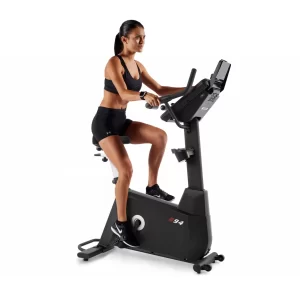
10-Min HIIT for Busy Moms

Best Supplements for Women in Fitness: What You Really Need to Thrive
Best Supplements for Women in Fitness: What You Really Need to Thrive

Best Supplements for Women in Fitness: What You Really Need to Thrive

Best Supplements for Women: Strong is the new beautiful—and women all over the world are embracing fitness with power and pride. But here’s the truth many overlook: no matter how consistent your workouts are, your body needs the right internal support to grow, recover, and thrive.

That’s where supplements come in.

At Gategold and Sole Fitness, we often get asked: “What are the best supplements for women in fitness?”
Whether you’re lifting weights, doing HIIT, or just trying to stay energized through busy days, the right supplements can bridge nutritional gaps and optimize your fitness results—without overcomplicating your routine.

Let’s break down the essentials.


Why Women Need Fitness-Specific Supplement Support

While men and women share many nutritional needs, women face unique challenges:

  • Hormonal fluctuations

  • Menstrual-related nutrient loss

  • Higher risk of iron deficiency

  • Greater calcium needs for bone health

  • Often balancing fitness goals with busy family, work, and lifestyle demands

The right supplements don’t replace food—they enhance what you already eat to help you train harder, recover faster, and feel more in control of your health.


Top 7 Best Supplements for Women in Fitness


1. Whey Protein or Plant-Based Protein

Why it matters: Protein helps build and repair muscle, keeps you full longer, and supports fat loss.

Whether your goal is to tone up, slim down, or build strength, getting enough daily protein is essential—and supplements make it easier.

Recommended for:

  • Post-workout recovery

  • Meal replacement smoothies

  • Muscle preservation during weight loss

Try Sole Fitness Whey Isolate or Vegan Protein Blend—clean, fast-digesting, and delicious.


2. Iron

Why it matters: Iron supports oxygen transport and energy levels—yet many women (especially those who menstruate) are iron-deficient without knowing it.

Symptoms of deficiency: Fatigue, poor endurance, shortness of breath during workouts.

Recommended for:

  • Active women with heavy periods

  • Vegetarians and vegans

  • Anyone feeling consistently tired despite sleeping well

Pair iron with vitamin C for better absorption.


3. Magnesium

Why it matters: Magnesium supports muscle recovery, reduces cramps, boosts sleep quality, and eases PMS symptoms.

Recommended for:

  • Evening relaxation

  • Post-workout recovery

  • Stress and tension reduction

A must-have for high-stress lifestyles or anyone doing regular strength training.


4. Creatine Monohydrate (Yes, for Women!)

Why it matters: Creatine increases muscle power, improves performance, and supports lean mass growth—without “bulking” you up.

Despite myths, creatine is completely safe and beneficial for women, especially those doing resistance training.

Recommended for:

  • Strength gains

  • HIIT workouts

  • Energy boost without caffeine

Stick to 3–5g daily. You don’t need to “load” it.


5. Calcium + Vitamin D

Why it matters: Women are more prone to osteoporosis as they age. Calcium and Vitamin D work together to keep your bones strong, especially during high-impact or weight-bearing workouts.

Recommended for:

  • Women over 30

  • Anyone avoiding dairy

  • Outdoor workouts (Vitamin D helps with mood too!)

Check for D3 (not D2) in your supplement for better absorption.


6. Omega-3 Fatty Acids (Fish Oil or Algal Oil)

Why it matters: Omega-3s support heart health, reduce inflammation, and promote healthy skin, brain, and joints.

Recommended for:

  • Post-exercise inflammation

  • Hormonal balance

  • Recovery and cognitive clarity

Sole Fitness offers high-quality omega-3 capsules from trusted suppliers.


7. B-Complex Vitamins

Why it matters: B-vitamins convert food into energy, support mood, and help your body handle stress—essential for any woman juggling fitness, work, and life.

Recommended for:

  • Energy levels

  • Nervous system support

  • Mental focus and mood balance

Especially useful if you’re on a restrictive diet or plant-based.


Where to Find Trusted Supplements

Not all supplements are created equal. At Gategold and Sole Fitness, we stock only tested, quality-assured products that meet global standards and serve real results.

 Shop at:

Browse women-friendly protein powders, multivitamins, creatine, omega-3s, and recovery blends—all delivered to your door.


Tips for Taking Supplements the Smart Way

  • Stick to recommended doses—more isn’t always better

  • Combine supplements with balanced meals for optimal effect

  • Stay consistent (results build over time)

  • Hydrate—especially if you’re taking protein or creatine

  • Always check with a healthcare provider if pregnant, breastfeeding, or managing a medical condition


Final Thoughts: You Deserve to Feel Strong, Energized, and in Control

The best supplements for women in fitness aren’t about chasing perfection—they’re about supporting your body through every workout, every phase, and every challenge.

Whether you’re lifting weights, doing yoga, training for your first race, or simply trying to feel your best, you deserve tools that make your journey easier—not harder.

At Gategold and Sole Fitness, we’re here to support your strength, recovery, and long-term wellness—from high-quality supplements to expert advice.


 Got questions about what to take and when?

DM us on Instagram @gategoldfitness or @solefitnessng. We’ll help you build a supplement routine that fits your fitness goals and lifestyle.


 Ready to build strength from the inside out?

Explore our women-focused supplement collection at www.gategoldng.com and www.solefitness.com.ng.
 Nationwide delivery available.
Weekly Workout Plan for Beginners

Recumbent Bike: Pros, Cons, and How to Use It

Recumbent Bike: Pros, Cons, and How to Use It

Recumbent Bike: Pros, Cons, and How to Use It

When it comes to low-impact, joint-friendly cardio equipment, the recumbent bike stands out as a favorite for beginners, seniors, and those recovering from injuries. But even if you’re an athlete or regular gym-goer, this machine deserves your attention.

At Gategold and Sole Fitness, we’ve helped countless individuals choose the right equipment for their goals, and the recumbent bike is often misunderstood or overlooked. So in this post, we’re breaking down the pros, cons, and how to use it properly—so you can ride your way to better health with confidence.


What Is a Recumbent Bike?

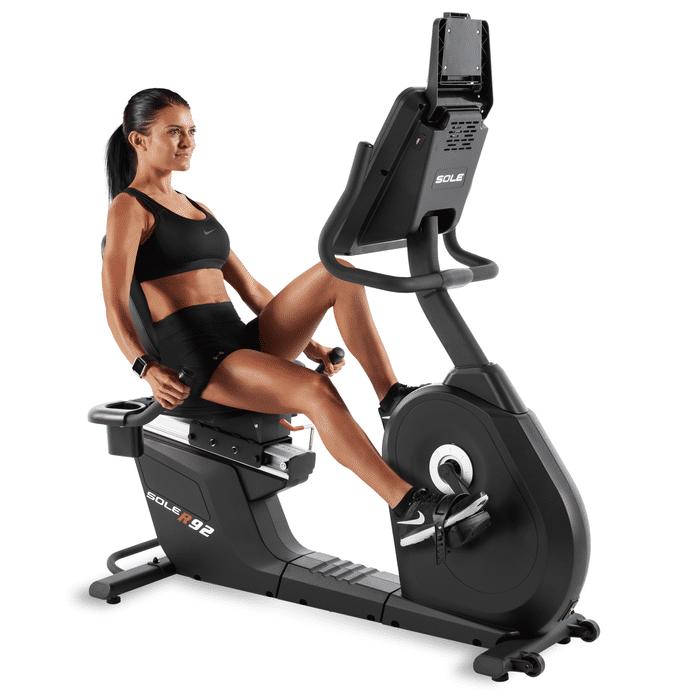
A recumbent bike is a stationary cardio machine that allows the user to sit in a reclined position with their legs extended forward to pedal. Unlike upright bikes, it features:

  • A larger seat with back support

  • Pedals in front of the body instead of underneath

  • A more relaxed riding posture

This makes it especially appealing for people looking for comfort, stability, and back support while exercising.


Pros of Using a Recumbent Bike

1. Low-Impact on Joints

The seated, reclined position reduces strain on knees, hips, and lower back—making it ideal for people with arthritis, joint pain, or those recovering from injuries.

2. Comfortable and Supportive

The wide, cushioned seat and backrest provide full lumbar support, allowing longer workouts without discomfort.

3. Safe and Beginner-Friendly

With its stable base and ergonomic design, it’s hard to fall or use incorrectly. Great for seniors or those new to fitness.

4. Effective Cardio and Fat Burn

Despite its comfort, the recumbent bike still delivers a heart-pumping workout. It’s excellent for burning calories and improving cardiovascular health.

5. Multi-Task Friendly

Because of the hands-free setup, you can read, scroll your phone, or watch TV while cycling—making it easier to stick to a routine.


Cons of a Recumbent Bike

1. Less Intense Than Upright Bikes

While it’s great for general fitness, the reclined position doesn’t activate your core or upper body as much as upright or spin bikes.

2. Takes Up More Space

Due to the seat design and frame, recumbent bikes are typically bulkier and require more floor space than standard upright bikes.

3. Not Ideal for High-Performance Training

If you’re training for competitive cycling or want explosive interval training, you might need a spin bike or road bike for better performance simulation.


How to Use a Recumbent Bike Properly

Getting on a recumbent bike is easy—but using it efficiently takes intention. Follow these steps to maximize your results:


Step 1: Adjust the Seat

Slide the seat forward or backward until your knees are slightly bent at the farthest pedal extension. This prevents joint strain and ensures proper alignment.


Step 2: Set Your Resistance

Start with a low resistance, especially if you’re new. Gradually increase it to challenge your muscles and boost heart rate. Many bikes have built-in programs for fat burn, cardio, or intervals.


Step 3: Maintain Good Posture

Even though you’re reclined, don’t slouch. Sit tall, press your back against the seat, and keep your core slightly engaged.


Step 4: Warm Up and Cool Down

Begin with a 3–5-minute warm-up at low resistance. End your session with a slow cooldown and some light stretching.


Step 5: Monitor Time and Intensity

Aim for 20–45 minutes per session, depending on your fitness level. Use built-in monitors or smartwatches to track heart rate and calories burned.


Sample Recumbent Bike Workout

Total Duration: 30 Minutes
Goal: Low-impact fat burn and endurance

Time Intensity Notes
0–5m Low Warm-up
5–10m Moderate Steady pace
10–20m Intervals (30s hard / 90s easy) Boost heart rate
20–25m Moderate Maintain steady pace
25–30m Low Cool down

Repeat 3x a week for noticeable results.


Top-Quality Recumbent Bikes Available at Gategold & Sole Fitness

Looking for a recumbent bike for your home or gym? We stock premium models with:

  • Adjustable magnetic resistance

  • LCD display for time, distance, calories

  • Pulse sensors and smart connectivity

  • Heavy-duty steel frames for durability

Shop now at:
www.gategoldng.com
www.solefitness.com.ng
 Nationwide delivery available


Final Thoughts: Is a Recumbent Bike Right for You?

If you’re looking for a safe, effective, and comfortable way to stay active, the recumbent bike could be your new best friend. It’s perfect for injury recovery, cardio beginners, seniors, and anyone who wants to work out consistently without pressure on their joints.

At Gategold and Sole Fitness, we don’t just sell equipment—we help you move better, feel stronger, and stay consistent.

So whether you’re rehabbing, maintaining, or just getting started—take a seat and start pedaling. Your fitness journey is waiting.


 Got questions about which bike is best for your goals?

Message us anytime on Instagram @gategoldfitness or @solefitnessng. We’d love to help you find the perfect ride.

Nutrition for Strength: Fuel Your Gains the Right Way

Nutrition for Strength: Fuel Your Gains the Right Way

Nutrition for Strength: Fuel Your Gains the Right Way

  “Nutrition for Strength“. You’ve been putting in the work—lifting heavy, training hard, staying consistent. But here’s the reality: you can’t build real strength on an empty tank.

At Gategold and Sole Fitness, we’ve seen it countless times. People crush their workouts, but their progress plateaus. Why? Because **training breaks your body down—**and nutrition builds it back up.

If you want to lift more, move better, and feel stronger, you need to treat your food like you treat your training: with purpose. Let’s break down the essentials of nutrition for strength so you can fuel your performance and maximize your gains.


Why Nutrition Matters for Strength

Building strength isn’t just about muscles—it’s about giving your body the raw materials it needs to grow, repair, and push harder every session.

Here’s what the right nutrition does:

  •  Fuels intense workouts and boosts endurance

  •  Repairs damaged muscle fibers and supports growth

  •  Keeps energy levels stable throughout the day

  •  Enhances focus, hormone function, and recovery

No matter how well you train, poor nutrition = limited strength gains.


The 3 Macronutrients That Matter Most

Let’s break down the big three when it comes to nutrition for strength:


1. Protein – The Foundation of Muscle Repair

Aim for: 1.6–2.2g of protein per kg of bodyweight daily

Protein is essential for rebuilding muscle tissue after your workouts. Think of it as the bricks in the house you’re building.

Best sources:

  • Chicken, turkey, lean beef

  • Eggs and egg whites

  • Greek yogurt and cottage cheese

  • Plant-based: tofu, lentils, chickpeas, tempeh

  • Whey protein (a convenient post-workout option)

Pro Tip: Try to include protein in every meal, especially post-workout.


2. Carbohydrates – Your Strength Fuel

Aim for: 3–6g of carbs per kg of bodyweight depending on training intensity

Carbs are your primary energy source—they power your lifts and refill your muscles’ glycogen stores.

Best sources:

  • Rice, potatoes, quinoa

  • Oats, whole grain bread, pasta

  • Fruits (bananas, berries, apples)

  • Vegetables and legumes

Don’t fear carbs. They’re the fuel your muscles crave—especially before and after training.


3. Fats – Hormone Health and Recovery

Aim for: About 20–30% of your daily calories

Fats support hormone production (like testosterone) which plays a huge role in strength and recovery.

Best sources:

  • Avocados

  • Nuts and seeds

  • Olive oil, coconut oil

  • Fatty fish (salmon, sardines)

Healthy fats = healthy hormones = stronger you.


Meal Timing for Strength Training

When you eat is almost as important as what you eat.
Here’s a simple guide:

Pre-Workout (30–90 mins before):

  • Focus on carbs + moderate protein, low fat

  • Example: Oats with banana + a scoop of protein

Post-Workout (within 1 hour):

  • Focus on protein + fast-digesting carbs

  • Example: Whey protein + white rice or toast + fruit

Before Bed:

  • Slow-digesting protein to aid overnight muscle repair

  • Example: Greek yogurt or cottage cheese

Feed your body around your workouts to optimize strength gains and reduce muscle soreness.


Don’t Forget Hydration

Even mild dehydration can reduce strength and focus in the gym.
Aim for 3–4 liters of water per day, more if you sweat heavily.

Hydration = power.


Supplements for Strength (Optional, Not Essential)

While whole foods come first, supplements can support your strength journey:

  • Whey Protein – Fast, effective muscle recovery

  • Creatine Monohydrate – Proven to increase power and strength

  • Omega-3s – Anti-inflammatory support for joints and muscles

  • Vitamin D & Magnesium – Boost bone strength and muscle function

You can find high-quality fitness supplements and nutrition support gear at Sole Fitness and Gategold—we stock what we trust.


Putting It All Together: Sample Strength Day Meal Plan

Time Meal Example
7:00 AM Oats + banana + boiled eggs
10:00 AM Greek yogurt + almonds
1:00 PM Grilled chicken + brown rice + broccoli
4:00 PM (Pre) Rice cakes + peanut butter + whey protein
6:00 PM (Post) Whey shake + white rice + fruit
8:30 PM Salmon + sweet potato + spinach
10:00 PM Cottage cheese + chia seeds

 Adjust portions to your personal calorie needs and training volume.


Final Thoughts: You Can’t Outlift a Bad Diet

Strength is built on two platforms: training and nutrition.
You need both to make real progress.

So if you’re serious about getting stronger, start treating your nutrition like it’s part of your workout. Because it is.

At Gategold and Sole Fitness, we’re here to support not just how you move—but how you fuel that movement. Whether it’s through top-quality equipment, trusted supplements, or expert education like this—we’ve got your back.


 Have questions about strength nutrition?

Message us on Instagram @gategoldfitness or @solefitnessng. We’d love to help you build your best body—inside and out.

 Need supplements, shakers, or meal prep gear?

Explore our products at www.gategoldng.com or www.solefitness.com.ng — Your strength starts in the kitchen.

Healing Starts with Movement: Reclaiming Strength Through Motion

Healing Starts with Movement: Reclaiming Strength Through Motion

Healing Starts with Movement: Reclaiming Strength Through Motion

Pain changes us—but so does healing.

Maybe you’ve been through something hard: an injury, illness, heartbreak, or burnout. Maybe life knocked you down, and your body doesn’t feel like home anymore. If you’re in that place, know this: you’re not broken. You’re rebuilding. And that rebuild starts with one thing—movement.

At Gategold and Sole Fitness, we don’t just see fitness as exercise. We see it as therapy, empowerment, and a tool for transformation. Whether you’re taking your first walk after surgery or lifting again after months of fatigue, one thing is always true—healing starts with movement.


Movement Is Medicine

When you move, you’re not just working your muscles. You’re improving blood flow, releasing endorphins, resetting your nervous system, and reconnecting with yourself.

  • Movement reduces stress and anxiety

  • It strengthens muscles weakened by injury or inactivity

  • It sharpens focus and improves mental health

  • It restores a sense of control when everything feels uncertain

Even the smallest steps count. A gentle stretch. A walk outside. A few minutes with dumbbells in your living room. Movement reminds your body it’s still capable. And it reminds your mind you’re still in control.


Start Where You Are—Not Where You Used to Be

One of the biggest barriers to healing is comparison. We think, “I used to be stronger,” “I used to run faster,” “I used to have more energy.”

Here’s the truth: you don’t need to return to who you were. You’re becoming someone new—stronger, more aware, and more resilient.

Start simple:

  • 5-minute stretches in the morning

  • A short walk around the block

  • Gentle bodyweight exercises

  • Light dumbbell routines at home

Sole Fitness and Gategold offer gear and guidance for every level of ability. Because healing isn’t about speed—it’s about direction. And forward is forward, no matter how slow.


The Connection Between Body and Mind

The moment you begin to move again, you create momentum. Physical motion leads to emotional motion. You sleep better. You breathe deeper. You feel alive again.

Exercise is often the missing piece in emotional recovery. It gives structure to chaos, routine to depression, and strength to weakness. Even if you’re hurting, movement is one thing you can still control.

You don’t have to feel strong to move—moving is what makes you stronger.


Tools That Support Your Healing

If you’re rebuilding strength or starting fresh, you don’t need to go it alone.
Sole Fitness and Gategold provide:

  • Dumbbells, resistance bands, yoga mats

  • Ellipticals and treadmills for joint-safe cardio

  • Adjustable benches and rehab-friendly tools

  • Expert advice for low-impact, recovery-focused workouts

We don’t just sell equipment—we support your comeback.


Real Progress Looks Like This…

  • Getting up even when you don’t feel like it

  • Choosing a 10-minute walk over staying in bed

  • Moving through the pain instead of avoiding it

  • Trusting your body again, one rep at a time

Healing is rarely loud. It’s often quiet, slow, and deeply personal. But it’s happening every time you decide not to give up.


The Takeaway: Your Recovery Begins with You

You don’t have to wait until you feel better to move.
Movement is how you start to feel better.
Every squat, every step, every stretch—it’s a vote for the future you’re building.

So if you’re stuck, scared, or simply tired:
Take a deep breath.
Put your shoes on.
And move.

Because healing starts with movement—and your comeback starts today.


 Need help choosing recovery-friendly equipment?

DM us on Instagram @gategoldfitness or @solefitnessng. Our team is here to help you get moving safely and confidently.

 Ready to begin again?

Shop gentle fitness tools and beginner bundles at www.gategoldng.com or www.solefitness.com.ng.
We deliver nationwide—so your healing starts at your doorstep.

Common Gym Mistakes to Avoid: Train Smarter, Not Just Harder

Common Gym Mistakes to Avoid: Train Smarter, Not Just Harder

Common Gym Mistakes to Avoid
We’ve all been there. You’re showing up to the gym, putting in the time, breaking a sweat—but the results just aren’t coming. Or worse, you’re dealing with nagging aches, burnout, or even injury. The truth is, getting fit isn’t just about effort—it’s about smart effort.

At Gategold and Sole Fitness, we see it every day: well-meaning people making the same small mistakes that cost them big in the long run. Whether you’re a beginner or a gym regular, correcting these common gym mistakes can make all the difference in your progress, performance, and long-term health.

Let’s break them down—and show you how to avoid them.


1. Skipping the Warm-Up

Jumping straight into heavy lifting or high-intensity cardio without warming up is a recipe for injury. Yet, so many gym-goers treat warm-ups as optional.

Fix it: Spend 5–10 minutes doing dynamic movements (like arm circles, leg swings, light cardio) to prep your joints, raise your heart rate, and activate your muscles.

Think of it as tuning your engine before a race.


2. Poor Form Over Heavy Weights

Lifting more weight than you can handle with proper form is one of the fastest ways to injure yourself—and it’s surprisingly common in crowded gyms.

Fix it: Focus on perfecting your form with lighter weights before moving up. Use mirrors, record yourself, or ask a trainer for feedback.

Proper form builds muscle. Ego lifting builds regret.


3. Neglecting Compound Movements

Many people spend too much time on isolation exercises (like bicep curls) and ignore big, compound lifts that work multiple muscles at once.

Fix it: Prioritize squats, deadlifts, push-ups, pull-ups, lunges, and rows. These moves burn more calories, build more strength, and improve functionality.

Train movements, not just muscles.


4. Doing the Same Routine Every Day

Your body adapts quickly. If you repeat the same workout every time you hit the gym, progress will stall—and boredom will creep in.

Fix it: Change up your sets, reps, exercises, and intensity every few weeks. Try adding circuits, supersets, or even a new training split.

Muscle confusion isn’t just a trend—it’s science.


5. Not Resting Enough Between Workouts

More isn’t always better. Working out intensely every day without rest leads to overtraining, fatigue, and poor results.

Fix it: Schedule at least 1–2 full rest days per week. Active recovery (like walking or yoga) can also help you stay fresh and mobile.

Rest is not lazy—it’s when your muscles grow.


6. Ignoring Nutrition

No matter how hard you train, you can’t outwork a poor diet. Skipping meals, undereating, or eating too much junk food holds back your progress.

Fix it: Fuel your body with lean proteins, whole grains, healthy fats, and plenty of water. Post-workout meals are crucial for recovery.

Muscles are built in the gym—and revealed in the kitchen.


7. Not Tracking Progress

Without tracking your workouts, you’re basically guessing. And guessing leads to plateaus.

Fix it: Keep a simple log—whether it’s a notebook, phone app, or spreadsheet. Record weights, reps, and how you felt each session.

What gets measured gets improved.


8. Comparing Yourself to Others

Social media and gym mirrors can be toxic if you’re constantly measuring your worth against someone else’s physique or performance.

Fix it: Focus on your journey. Progress is personal, and fitness is about becoming a better version of yourself—not someone else.

Applaud others. Compete only with the person in the mirror.


The Gategold & Sole Fitness Way: Smarter Fitness for Everyone

At Gategold and Sole Fitness, our mission is to help you train smarter—not just harder. From high-quality equipment to expert-backed advice, we’ve got everything you need to succeed safely and effectively.

Mistakes are part of the learning curve—but now that you know better, you’ll do better.


Final Thoughts: Small Fixes, Big Results

Correcting these common gym mistakes won’t just protect your body—it will accelerate your results, improve your confidence, and keep you consistent for the long haul. Your time is valuable. Make every workout count.

Whether you’re lifting in a  using Sole Fitness gear at home, the key is progress—not perfection.


 Got questions or want personalized advice?

Reach out to us on Instagram @gategoldfitness or @solefitnessng — we’re always ready to help.

 Need quality fitness gear?

Visit  Sole Fitness for dumbbells, benches, mats, and everything in between. Nationwide delivery available.
Full Body Dumbbell Workout at Home: Your No-Excuse Guide to Getting Fit

Discover the best gym equipment for women-focused gyms. From resistance machines to cardio must-haves, create an empowering workout space with these expert picks

Full Body Dumbbell Workout at Home

Life is busy. Between work, family, and trying to stay sane, squeezing in a workout can feel impossible. But here’s the truth: you don’t need a gym membership, fancy equipment, or two hours of free time to transform your body. With just a pair of dumbbells and determination, you can build muscle, burn fat, and feel amazing—all from the comfort of your living room.

At Gategold and Sole Fitness, we believe fitness should fit into your life, not the other way around. That’s why we’re bringing you this Full Body Dumbbell Workout at Home. Whether you’re a beginner or getting back into your groove, this routine is your fast-track to total body strength and energy.


Why Dumbbells Are the Secret Weapon for Home Workouts

Before we jump into the workout, let’s talk about why dumbbells are perfect for home training:

  • Affordable and space-saving

  •  Great for both strength and cardio

  •  Easy to scale up or down depending on your fitness level

  •  Activate multiple muscle groups with compound movements

A single pair of dumbbells can deliver a gym-quality workout. All you need is commitment and a few feet of space.


The Ultimate Full Body Dumbbell Workout at Home

Equipment Needed: One pair of dumbbells (start light if you’re a beginner)
Workout Format: 3 rounds | 10–12 reps per exercise | 30–45 seconds rest between moves


1. Dumbbell Goblet Squats

Targets: Quads, glutes, core

How To: Hold one dumbbell at chest level, elbows tucked in. Lower into a deep squat, keeping your back straight. Drive through your heels to return to standing.
Tip: Squeeze your glutes at the top for maximum activation!


2. Dumbbell Renegade Rows

Targets: Back, arms, core

How To: Get into a high plank with a dumbbell in each hand. Row one dumbbell towards your hip while stabilizing your body. Alternate sides.
Core shaking? That means it’s working!


3. Dumbbell Shoulder Press

Targets: Shoulders, triceps

How To: Stand tall with dumbbells at shoulder height. Press both overhead, pause, then lower slowly.
Control the movement to engage more muscle fibers.


4. Dumbbell Deadlifts

Targets: Hamstrings, glutes, lower back

How To: With dumbbells in front of your thighs, hinge at the hips, lower until you feel a stretch in your hamstrings, then return to standing.
Think “hips back” not “bend over.”


5. Dumbbell Russian Twists

Targets: Core, obliques

How To: Sit on the floor with knees bent, holding one dumbbell. Lean back slightly, lift your feet (optional), and twist side to side.
Want more burn? Slow it down and focus on the twist.


6. Dumbbell Thrusters

Targets: Full body—especially legs, core, shoulders

How To: Perform a squat holding dumbbells at your shoulders. As you stand, explode into a shoulder press.
This move spikes your heart rate while building strength.


Bonus: Quick Finisher (Optional)

Complete 30 seconds each:

  • Jump squats (bodyweight)

  • Mountain climbers

  • Dumbbell swings

  • High knees

Repeat twice for a killer 4-minute cardio blast.


Workout Tips for Success

  • Warm up first: 3–5 minutes of dynamic movement (arm circles, jumping jacks, bodyweight squats).

  • Focus on form: Quality over speed.

  • Stay consistent: Do this workout 3x a week for results.

  • Fuel your body: Eat balanced meals and stay hydrated.


The Takeaway: Your Body Is Your Gym

You don’t need fancy machines or a personal trainer to see results. What you need is consistency, focus, and the willingness to start. This full body dumbbell workout at home gives you all the tools to build strength, lose fat, and feel confident in your body.

At  Sole Fitness, we’re here to support you every step of the way—whether you’re lifting in a gym or sweating it out at home. And remember: every rep is a step forward.

So pick up those dumbbells, press play on your favorite playlist, and let’s go!


 Need Dumbbells or Home Workout Equipment?

Check out our premium selection of dumbbells, benches, mats, and more at Sole Fitness. We deliver nationwide—so your fitness journey never has to wait.


 Share this with a friend who wants to get fit at home.

 Got questions or want more home workouts? Drop us a comment or DM on Instagram @solefitnessng.

Behind Every Transformation Is a Person Who Chose to Begin

"A person starting their fitness journey using Gategold gym equipment – strength and cardio training machines."

The Journey Begins with One Brave Step

Behind every transformation is a person who chose to begin—not someone who had all the answers, or the perfect body, or unlimited time—but someone who simply decided today is the day. At Sole Fitness, we’ve seen this story unfold again and again. It’s not about being ready. It’s about being willing. Willing to fight through doubt, to wake up early, to push past limits—and to bet on yourself.


It’s Not the Equipment—It’s Your Decision to Start

Yes, fitness equipment can help accelerate progress. A powerful treadmill can strengthen your endurance. A recumbent bike can keep your joints safe while burning fat. A multi-squat machine can build lower-body power like no other. But none of those machines will change your life until you decide to show up. The greatest transformation stories began not on the equipment, but in the mind.

When you step onto that incline linear row or grip that set of dumbbells, it’s not just a workout—it’s a commitment. And every rep is a reminder that you’re choosing to rise.


No One Sees the Struggle, But Everyone Sees the Result

Let’s be honest—transformations are messy. There are early mornings when your muscles ache. Days when motivation feels like a distant memory. Weeks when progress seems invisible. But this is where most people give up. And this is where you don’t.

The strongest people aren’t those who never struggled. They’re the ones who kept going when it got hard. And that’s what makes your transformation powerful—because it’s earned, not given.


Nutrition & Supplement Support for Your Journey

Choosing to begin also means fueling your body for success. Nutrition isn’t just part of the process—it is the process. If you’re aiming for fat loss, muscle gain, or endurance building, your meals should reflect that:

  • 🥗 Pre-Workout Nutrition: Focus on carbs and moderate protein. Try a banana with peanut butter or oats with berries 30–60 minutes before hitting the gym.

  • 🥩 Post-Workout Recovery: Refuel with lean protein (like grilled chicken or a whey shake) and complex carbs (like brown rice or sweet potato).

  • 💊 Supplements for Starters:

    • Whey Protein – helps with muscle recovery.

    • Creatine Monohydrate – improves strength and performance.

    • BCAAs – supports muscle endurance during workouts.

    • Multivitamins – fill in nutritional gaps in your diet.

Supplements aren’t magic—but they support the effort you put in.


Use These Gym Machines to Start Strong

If you’re ready to transform, start with gym equipment that supports proper form, safety, and strength development:

  • Treadmill: Boost cardiovascular health, warm up safely, and burn calories efficiently.

  • Recumbent Bike: Great for beginners and joint-friendly for consistent cardio.

  • Multi-Squat Machine: Perfect for controlled, full-leg development.

  • Cable Machines: Versatile and excellent for full-body resistance training.

  • Adjustable Dumbbells & Benches: Ideal for home gyms and targeted strength work.

Gategold offers high-quality gym equipment that makes training accessible—whether you’re at home or in a professional facility.


Real Change Happens When You Decide You’re Worth It

Here’s the truth: No coach, equipment, or gym membership can create change until you believe you’re worthy of that change. And you are. Your life doesn’t improve by accident. It improves by consistent, courageous decisions. You don’t need perfection—you need persistence.

So if you’re reading this and wondering when to start… the answer is right now.

Because behind every transformation is a person who chose to begin.


CTA: Ready to Begin?

Sole Fitness is here to support your journey—whether you’re building a home gym, looking for professional guidance, or simply need a reason to start. Explore our top-tier equipment, read more fitness stories, and take the first step toward becoming the strongest version of yourself.

👉 Visit www.solefitness.com to start your transformation today.

Discover the top low-impact fitness equipment to help reduce joint pain and manage arthritis. Improve mobility and stay active without stressing your joints

Best Fitness Equipment for Managing Arthritis or Joint Pain: Low-Impact Tools for Lasting Relief

Best Fitness Equipment for Managing Arthritis or Joint Pain: Low-Impact Tools for Lasting Relief

Arthritis and joint pain don’t mean you have to give up on fitness—in fact, the right type of exercise can be one of the best tools for managing discomfort, improving flexibility, and maintaining strength. The key is choosing equipment that supports low-impact, joint-friendly movement while still allowing you to stay active and consistent.

In this guide, we’ll highlight the best fitness equipment for managing arthritis or joint pain, how to use them safely, and why they can help you move better, feel better, and live stronger.


🤔 Why Exercise Matters for Arthritis and Joint Pain

Exercise is essential for people with arthritis. It may seem counterintuitive, but movement reduces stiffness, increases circulation, and improves range of motion. Regular activity strengthens the muscles that support your joints and helps with weight management, which reduces pressure on painful areas.

However, the wrong equipment—or doing too much too fast—can worsen pain. That’s why low-impact, supportive equipment is ideal for people with osteoarthritis, rheumatoid arthritis, or chronic joint pain.


🏋️‍♀️ Top Fitness Equipment for Joint-Friendly Workouts

1. Elliptical Machine

Why it helps:
Ellipticals are excellent for cardio without joint strain. They mimic the motion of walking or running but with zero impact, making them perfect for knees, hips, and ankles. Many machines also allow reverse pedaling to activate different muscle groups.

Tip: Choose a model with ergonomic handles and adjustable resistance to keep intensity low and manageable.


2. Recumbent Bike

Why it helps:
The reclined position takes pressure off your back and joints, especially the knees. It provides a smooth, circular leg movement that’s easy on arthritic joints while still giving a solid cardio workout.

Tip: Look for a model with a wide, cushioned seat and backrest for better lumbar support.


3. Treadmill with Shock Absorption

Why it helps:
While walking is a great joint-friendly activity, not all surfaces are created equal. A quality treadmill with built-in cushioning offers a low-impact alternative to outdoor pavement. You control the speed and incline, which is essential when managing flare-ups or fatigue.

Tip: Always warm up with a slow pace and hold onto the handrails if necessary.


4. Rowing Machine

Why it helps:
Rowers provide a full-body workout without harsh impact. They strengthen the back, core, and legs while maintaining fluid joint motion. For people with arthritis in the knees or hips, sliding seat motion can build strength gently.

Tip: Use a machine with adjustable resistance and start with short intervals to avoid overuse.


5. Resistance Bands

Why they help:
Resistance bands are ideal for low-impact strength training. They provide tension to help maintain muscle strength around the joints without heavy weights. You can use them for arms, shoulders, legs, and back—all without machines.

Tip: Choose lighter resistance to start, and avoid locking out your joints during movements.


6. Foam Roller and Massage Tools

Why they help:
While not technically “exercise equipment,” recovery tools like foam rollers can be incredibly helpful for soothing stiff joints and muscles. They promote circulation and reduce muscle tightness that often accompanies arthritis.

Tip: Use soft-density rollers and focus on gentle rolling rather than deep pressure.


7. Yoga Mats and Stability Balls

Why they help:
Stretching and mobility work are essential. A high-quality yoga mat supports your spine and joints during floor exercises, while a stability ball can be used for gentle core and balance training—both important for joint protection.

Tip: Incorporate daily flexibility routines to improve joint mobility and reduce inflammation.


🔄 Other Important Considerations

  • Hydrotherapy Equipment: If available, water-based workouts are fantastic for arthritis because buoyancy reduces stress on joints while allowing full-body movement.

  • Adjustable Dumbbells with Ergonomic Grip: For strength training, lightweight, rubber-coated dumbbells with contoured grips are easier for painful hands to hold.

  • Stretching Straps or Bands: Great for range-of-motion exercises, especially for shoulders and hips.


Final Thoughts: Movement That Heals

Managing arthritis and joint pain with fitness is about choosing consistency over intensity and movement over stillness. The right equipment makes all the difference, providing the support and flexibility you need to move comfortably and confidently every day.

Whether you’re recovering from a flare-up or looking to improve joint function long-term, investing in joint-friendly fitness equipment can transform your wellness journey—one low-impact step at a time

Visit our showrooms in Lagos, Abuja, Port Harcourt, Onitsha, and other branches nationwide. We deliver nationwide

Gym: Your Ultimate Space for Fitness and Transformation

How to Equip a Fitness Studio for Group Training: Essentials for an Engaging, Effective Space

How to Equip a Fitness Studio for Group Training: Essentials for an Engaging, Effective Space

Group fitness is more than a workout—it’s a community experience. Whether you’re opening a boutique studio or enhancing your gym’s group class offerings, knowing how to equip a fitness studio for group training is key to creating high-energy sessions that keep clients coming back.

The right equipment, layout, and environment can dramatically improve how participants perform, engage, and connect with your brand. Here’s a comprehensive guide on what your group training studio needs to thrive.


🧱 1. Start with a Versatile, Open Layout

Group classes require space—not just for safety, but to allow for dynamic movement. Your floor plan should allow for:

  • Freedom of movement between stations

  • Clear visibility of the instructor

  • Space for mats and equipment placement without clutter

  • Easy access to water or sanitization stations

Use wall-mounted storage racks to keep floors clear, and consider mirrors to help participants monitor their form.


🏋️‍♂️ 2. Must-Have Equipment for Group Training Studios

Your studio should cater to various formats—from HIIT and strength training to dance cardio and boot camps. Start with these essentials:

Free Weights & Resistance Tools

  • Dumbbells (multiple sets in various weights)

  • Kettlebells

  • Resistance bands (light to heavy)

  • Medicine balls

  • Sandbags or weighted slam balls

These provide flexibility for strength, mobility, and endurance classes.

Cardio Equipment (Optional but Useful)

  • Rowing machines

  • Air bikes

  • Battle ropes

  • Jump ropes

Great for circuit training or small group intervals.

Bodyweight & Mobility Gear

  • Workout mats

  • Foam rollers

  • Yoga blocks and straps

  • Core sliders or gliding discs

  • Step platforms or plyo boxes

These are critical for warmups, cooldowns, mobility-focused classes, and low-impact workouts.


🔊 3. Prioritize Sound and Visual Equipment

Motivation is everything in group training. Good sound and visibility ensure that energy stays high and communication is clear.

  • Speakers: Install high-quality speakers evenly throughout the room.

  • Microphones: Wireless headset mics help instructors guide large classes without strain.

  • TV or projection screens: Ideal for showing movement demonstrations, timers, or pre-recorded routines.

  • LED timers: Helpful for managing circuits, rest periods, or Tabata intervals.

Make sure all tech is easy for staff to operate quickly between classes.


🌬️ 4. Ventilation, Lighting & Ambiance Matter

Group workouts build sweat fast. Make sure your studio feels as good as it looks.

  • Proper ventilation (air conditioning, fans, open windows) keeps energy high and discomfort low.

  • Lighting should match the vibe—use bright lighting for HIIT, softer tones for yoga or stretching.

  • Consider adding aromatherapy diffusers with invigorating scents (like eucalyptus or citrus) to boost mood.


💡 5. Use Modular Equipment for Quick Transitions

To run efficient group classes with minimal downtime, choose modular or multi-functional gear that’s easy to move, stack, and store.

  • Adjustable benches

  • Stackable risers

  • Foldable mats

  • Mobile storage carts

Quick transitions between movements or circuits improve flow and keep participants focused.


🧽 6. Hygiene & Safety Essentials

Today’s clients are hygiene-conscious. Keep your studio clean and compliant:

  • Sanitization stations: Disinfectant sprays and wipes at key spots

  • Towel stations: Optional but appreciated

  • First aid kits and visible emergency protocols

  • Non-slip flooring or mats for safety

Train your instructors to emphasize wiping down gear between classes.


🤝 7. Design with Community and Flow in Mind

Group fitness is about energy and connection. Your equipment and layout should encourage interaction while maintaining personal space.

  • Use circle or semi-circle layouts for better visibility and cohesion

  • Set up small group stations (pairs or trios) to encourage support and friendly competition

  • Include a cool-down/stretching zone where participants can relax and socialize post-workout

Make your studio a place where people want to stay—not just workout and leave.


📦 8. Plan for Storage and Scalability

As your classes grow, so will your gear needs. Build in:

  • Wall-mounted racks for weights, mats, and bands

  • Vertical storage solutions to save space

  • Labelled bins or shelves for organizing equipment by type

  • Space to expand with more machines or accessories in the future


Final Thoughts: Equipping for Impact and Longevity

Setting up a successful group training studio isn’t just about having a lot of equipment—it’s about having the right tools, space, and atmosphere that enhance performance, comfort, and connection.

When you take the time to equip your fitness studio with intention, you don’t just create a place to sweat—you build a community that grows stronger together

Visit our showrooms in Lagos, Abuja, Port Harcourt, Onitsha, and other branches nationwide. We deliver nationwide

Learn how to design and organize your home gym to boost daily motivation, improve consistency, and turn every workout into a focused, energizing experience

Transforming Your Home Gym Into a Daily Motivation Zone: Creating a Space That Inspires Consistency and Results

Transforming Your Home Gym Into a Daily Motivation Zone: Creating a Space That Inspires Consistency and Results

A home gym is more than a convenience—it’s a personal space where health, discipline, and self-growth come to life. But just like any environment, how your space feels can influence how consistent and motivated you are to show up and put in the work. That’s why transforming your home gym into a daily motivation zone isn’t just about equipment—it’s about energy, design, and intention.

Here’s how to elevate your home workout space so that stepping into it fuels your fitness fire, every single day.


🛠️ 1. Start with a Functional and Inspiring Layout

The physical layout of your home gym matters. Cluttered, dimly lit spaces can feel uninspiring and chaotic—making workouts feel like a chore. Transform your space by:

  • Decluttering: Remove anything that doesn’t serve your workout. Keep the space clean and focused.

  • Zoning: Separate areas for different activities—cardio, strength training, stretching—create visual clarity and reduce overwhelm.

  • Lighting: Bright, natural or white light boosts energy. Use mirrors to reflect light and make the space feel larger.

A well-organized space clears mental fog and helps your body prepare to move.


🎵 2. Add Personal Touches That Boost Motivation

Your home gym should reflect YOU. The more personalized it feels, the more you’ll connect with it emotionally. Consider adding:

  • Motivational posters or wall decals with your favorite fitness quotes

  • A whiteboard or chalkboard to track workouts, goals, or write affirmations

  • Photos or vision boards reminding you of your “why”—your reason for showing up

  • Music system or Bluetooth speaker to play your favorite workout playlists

When your gym reflects your personality and goals, it naturally becomes a place you want to be.


🧘 3. Focus on the Senses: Sound, Smell, and Feel

You’re more likely to work out if your gym feels good. Think beyond equipment:

  • Scent: Use essential oils or room sprays like peppermint, citrus, or eucalyptus to energize your space.

  • Sound: A great playlist can instantly boost mood. Use upbeat tracks for HIIT and calming music for cool-downs.

  • Temperature: Make sure your gym is comfortable—not too hot or cold. A fan or small heater can help depending on the season.

  • Comfort: Use cushioned flooring or interlocking gym mats to create a supportive surface for movement.

Engaging your senses makes every workout more enjoyable and mentally refreshing.


🏋️ 4. Invest in Equipment That Keeps You Engaged

Motivation thrives when you look forward to your workouts. That means having the right mix of equipment that matches your fitness style and keeps you challenged:

  • Adjustable dumbbells, kettlebells, or resistance bands for strength training

  • Cardio machines like a treadmill, spin bike, or rower if you enjoy endurance workouts

  • Foam rollers and massage tools for recovery

  • A wall timer or app to structure intervals or circuits

Choose versatile tools that give you options—and variety to prevent boredom.


📅 5. Build a Ritual Around Your Workout Time

Your home gym becomes a motivation zone when it’s paired with consistent action. Build rituals that prepare your mind and body for movement:

  • Light a candle or turn on your playlist as a trigger to begin

  • Change into workout clothes at the same time each day

  • Warm up in the same spot with the same stretch or mobility flow

  • Track your workouts in a notebook or fitness app

These simple routines help signal your brain: “It’s time to work.”


🎯 6. Visualize Success Daily

Hang a board or calendar that tracks progress. Whether it’s marking off days you trained or listing goals for the month, visual progress fuels motivation.

You could also:

  • Post before-and-after pictures

  • Track your PRs (personal records)

  • Display your weekly intentions or mantras

When you visually see your effort, it becomes easier to stay committed.


❤️ 7. Make It a Positive, Non-Judgmental Space

Your home gym should be the one place where you’re free to mess up, try again, and celebrate small wins. No mirrors needed to compare. No pressure to perform for others.

Make this a space where consistency is celebrated—not perfection.

Reward yourself for showing up. Use kind language in your self-talk. This space is about building the strongest, healthiest version of yourself—not someone else’s version of fit.


Final Thoughts: Your Space, Your Energy

Transforming your home gym into a daily motivation zone is about more than appearance—it’s about intention. When your space is clean, personalized, inspiring, and filled with energy that aligns with your goals, showing up becomes easier. And when showing up becomes easier, staying consistent becomes natural.

So whether you’re lifting dumbbells in a corner of your living room or sprinting on a treadmill in your garage—remember: it’s not about where you are. It’s about what you do with the space you have

Visit our showrooms in Lagos, Abuja, Port Harcourt, Onitsha, and other branches nationwide. We deliver nationwide

Search for products

Back to Top
Product has been added to your cart