Daily Push, Pull, Legs Routine


Daily Push, Pull, Legs Routine

A Daily Push, Pull, Legs Routine is one of the most effective ways to structure your workouts if your goal is to build strength, muscle, and endurance in a balanced way. This method breaks your training into three main movement patterns, ensuring each muscle group gets the right attention and recovery. At  and SoleFitness, we often recommend this routine for both beginners and experienced lifters who want consistent progress.


What Is a Daily Push, Pull, Legs Routine?

A Daily Push, Pull, Legs Routine divides your workouts into three categories:

  • Push Day: Chest, shoulders, and triceps
  • Pull Day: Back, biceps, and rear delts
  • Leg Day: Quads, hamstrings, glutes, and calves

You cycle through these days continuously, usually training 5–6 days per week. This split lets you train more frequently while giving each muscle group enough time to recover and grow.

Check out our Full Body Dumbbell Workout Guide on SoleFitness
Learn more about training splits from Healthline


Benefits of a Daily Push, Pull, Legs Routine

1. Balanced Muscle Development

This structure ensures every muscle group gets hit regularly, preventing strength imbalances and reducing the risk of injury.

2. Optimal Recovery and Frequency

Because you’re alternating between different movement patterns, muscles recover while others are trained.

3. Flexibility and Adaptability

A Daily Push, Pull, Legs Routine fits into almost any schedule and can be adjusted for beginners or advanced lifters.


Example Daily Push, Pull, Legs Routine

Push Day

  • Bench Press – 4 sets x 8 reps
  • Overhead Shoulder Press – 3 sets x 10 reps
  • Dumbbell Chest Fly – 3 sets x 12 reps
  • Tricep Pushdowns – 3 sets x 15 reps

Pull Day

  • Deadlifts – 4 sets x 6 reps
  • Pull-Ups – 4 sets x 8 reps
  • Barbell Rows – 3 sets x 10 reps
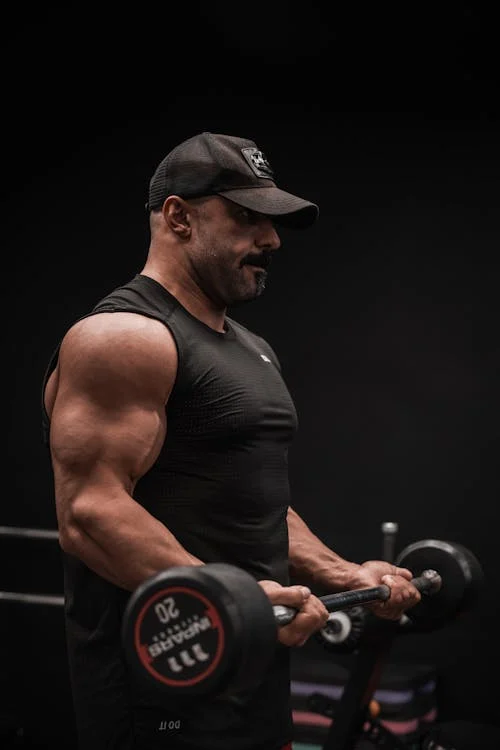
  • Bicep Curls – 3 sets x 15 reps

Legs Day

  • Squats – 4 sets x 8 reps
  • Romanian Deadlifts – 4 sets x 10 reps
  • Leg Press – 3 sets x 12 reps
  • Calf Raises – 4 sets x 20 reps

Explore our Gym Equipment for Strength Training on SoleFitness


Tips to Maximize Results

  • Track your weights and reps every week to ensure progressive overload.
  • Eat a high-protein diet to support muscle growth.
  • Get 7–8 hours of sleep each night for recovery.
  • Listen to your body — rest when needed.

FAQs on Daily Push, Pull, Legs Routine

Q: Can beginners use a Daily Push, Pull, Legs Routine?
A: Yes, beginners can use it by starting with lighter weights and focusing on proper form.

Q: How many days per week should I train?
A: Ideally 5–6 days, but you can start with 3–4 days and build up.

Q: Is it good for building muscle?
A: Absolutely, this routine hits all muscle groups frequently, which supports muscle growth.

Q: Do I need gym equipment?
A: Yes, basic weights and machines help, but you can also modify with resistance bands or bodyweight at home. Check our affordable fitness gear on SoleFitness.


Final Thoughts

A Daily Push, Pull, Legs Routine is a smart and efficient way to train your whole body while managing recovery. Whether your goal is strength, muscle size, or endurance, this split will keep you progressing steadily. Start slow, be consistent, and track your progress — your results will speak for themselves.
 

Best Exercises for Lower Belly Fat

Best Exercises for Lower Belly Fat

Best Exercises for Lower Belly Fat

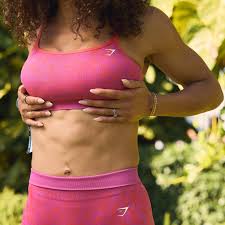
If you’ve been searching for the best exercises for lower belly fat, you’re not alone—this stubborn area can be one of the hardest to tone. The best exercises for lower belly fat target your core muscles while increasing calorie burn to reduce overall body fat. At SoleFitness, we know how challenging it can be to sculpt a flat, strong midsection, which is why we’ve compiled the most effective workouts to help you succeed.


 Why Lower Belly Fat Is So Stubborn

Lower belly fat tends to resist change because it’s influenced by hormones, stress, and overall body fat percentage. To eliminate it, you need a combination of cardio, strength training, and targeted core exercises. While spot reduction isn’t possible, incorporating the best exercises for lower belly fat into your routine can strengthen and define your lower abs as you lose fat overall.


 The Best Exercises for Lower Belly Fat

These moves activate your lower abdominals and help build core strength:

  • Leg Raises – Lie flat on your back, slowly lift your legs to 90 degrees, then lower them back down without touching the floor.
  • Reverse Crunches – Curl your hips toward your chest while keeping your shoulders on the floor.
  • Mountain Climbers – A high-intensity full-body move that also fires up your lower abs.
  • Flutter Kicks – Keep your legs straight and alternate kicking them up and down just above the floor.
  • Plank with Hip Dips – A plank variation that targets the lower abs and obliques.

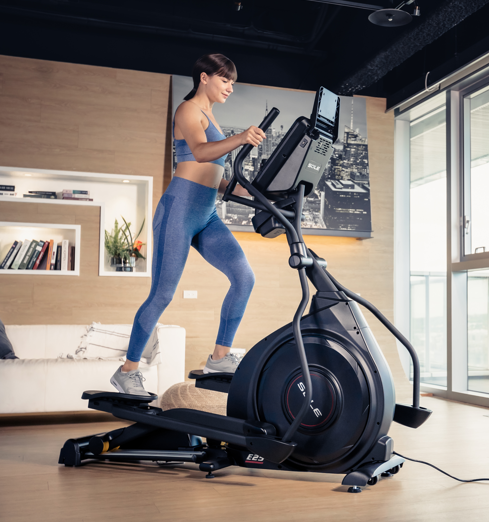
💡 Tip: Combine these with cardio machines like the Commercial Treadmill or Elliptical Trainer to burn calories faster.


 Nutrition Matters Too

Even the best exercises for lower belly fat won’t work without proper nutrition. Focus on:

  • Eating lean proteins and high-fiber foods
  • Staying hydrated
  • Avoiding sugary snacks and processed foods

Explore our guide on Nutrition for Muscle Growth to learn how food supports fat loss and muscle tone.


 Sample Lower Belly Fat Workout Plan

3–4 times per week

  • 3 sets of 15 reps: Leg Raises
  • 3 sets of 20 reps: Mountain Climbers
  • 3 sets of 15 reps: Reverse Crunches
  • 1-minute Plank with Hip Dips
  • 15 minutes cardio (Treadmill, Bike, or Jump Rope)

This routine will help tighten your core while burning calories.


 FAQs About Lower Belly Fat

Q1: Can I lose lower belly fat fast?
A1: There’s no quick fix. Consistency with exercise and diet is key for long-term fat loss.

Q2: How long does it take to see results?
A2: Most people see visible results within 6–12 weeks of consistent training.

Q3: Are crunches enough to lose belly fat?
A3: No. Crunches strengthen muscles but don’t burn enough calories alone—combine them with cardio and full-body workouts.


Best Elliptical Machines1

Best Cardio for Fat Loss

Best Cardio for Fat Loss


Best Cardio for Fat Loss

When it comes to achieving your weight loss goals, choosing the best cardio for fat loss is crucial. Cardio workouts are known to burn calories, improve heart health, and boost your metabolism, which helps accelerate fat loss. Whether you train at home or in the gym, knowing which cardio exercises give the best results will help you stay consistent and motivated.

At SoleFitness, we provide expert fitness guidance and high-quality workout equipment to support your fat-burning journey.


 Why Cardio is Essential for Fat Loss

Doing cardio consistently increases your calorie expenditure, which creates the calorie deficit needed to lose fat. Cardio also improves endurance, supports heart health, and enhances overall energy levels, making your workouts more effective.


 Best Cardio Workouts for Fat Loss

Here are some of the most effective cardio workouts to maximize fat loss:

  • High-Intensity Interval Training (HIIT): Short bursts of intense effort followed by rest periods.
  • Running or Jogging: Great for burning calories quickly and improving endurance.
  • Cycling: Low-impact cardio that torches calories while protecting your joints.
  • Jump Rope: A simple but powerful calorie burner you can do anywhere.
  • Rowing: Full-body cardio that builds both strength and stamina.

👉 You can find top-quality treadmills, stationary bikes, and rowing machines on our SoleFitness shop to enhance your cardio workouts.


 Tips for Maximizing Fat Loss Through Cardio

  • Mix up your cardio routines to avoid plateaus.
  • Combine cardio with strength training to preserve muscle mass.
  • Monitor your heart rate to stay in the fat-burning zone.
  • Stay consistent and gradually increase your intensity.

 Combine Cardio with Nutrition

Cardio alone won’t do the magic — a healthy, calorie-controlled diet is essential. Include lean proteins, complex carbs, healthy fats, and stay hydrated to fuel your workouts and recovery.


 Internal Resources


 FAQs on Best Cardio for Fat Loss

Q1: How many days per week should I do cardio to lose fat?
A: Aim for 4–5 days of cardio per week, mixing moderate and high intensity.

Q2: Is HIIT better than steady-state cardio for fat loss?
A: HIIT burns more calories in less time, but steady-state cardio is easier to sustain. Combining both can be most effective.
Q3: Can I do cardio every day?
A: Yes, if you vary intensity and allow your body enough recovery time.

Would you like me to also design a social media graphic for this “Best Cardio for Fat Loss” blog post to promote it on your pages?

Gym: Your Ultimate Space for Fitness and Transformation

Can I Gain Muscle Without Heavy Lifting?

Can I Gain Muscle Without Heavy Lifting

Can I Gain Muscle Without Heavy Lifting?

Can I gain muscle without heavy lifting? This is a common question among fitness enthusiasts, especially beginners who might be intimidated by the idea of lifting very heavy weights. The truth is that you can build muscle without always lifting heavy—what matters most is progressive overload, consistency, proper nutrition, and using techniques that target muscle growth effectively. In this post, we’ll explore how you can achieve muscle gain even without maxing out the weights on every set.


Understanding Muscle Growth

Muscle growth, or hypertrophy, happens when muscle fibers are challenged, break down, and repair stronger. While heavy lifting is one method, it’s not the only one. Studies from National Library of Medicine show that using moderate weights with higher reps can also stimulate significant hypertrophy when pushed close to muscle fatigue.

You can read more on our Strength Training Basics Guide on SoleFitness.


How to Gain Muscle Without Heavy Lifting

  • Increase Training Volume: Do more total reps and sets using moderate weights.
  • Time Under Tension: Slow down the tempo to make muscles work longer.
  • Focus on Isolation Exercises: Target specific muscle groups (e.g., bicep curls, tricep kickbacks).
  • Use Resistance Bands and Bodyweight: These can create enough resistance to stimulate muscle growth.
  • Short Rest Periods: Keep rest between sets at 30–60 seconds to maximize metabolic stress.

Check out our article on Full Body Dumbbell Workouts on SoleFitness for a perfect low-weight, high-rep program.


Nutrition Still Matters

Building muscle without heavy lifting still requires proper protein intake, caloric surplus, and recovery. Aim for lean proteins, complex carbs, and healthy fats. Recovery (sleep and rest days) allows muscle fibers to rebuild stronger.

For more guidance, visit our Nutrition for Muscle Growth blog on SoleFitness.


Benefits of Light-to-Moderate Weight Training

  • Lower injury risk
  • Better joint health
  • Improved muscle endurance
  • Easier recovery time
  • Sustainable long-term fitness habit

 FAQs About Gaining Muscle Without Heavy Lifting

Q1: Can bodyweight exercises build muscle?
Yes. Exercises like push-ups, squats, and pull-ups build muscle when done progressively.

Q2: How many reps should I do with lighter weights?
Aim for 12–20 reps per set, close to muscle fatigue.

Q3: Do I still need protein if I’m not lifting heavy?
Absolutely. Muscle growth needs protein regardless of weight load.

Q4: Will I get bulky using light weights?
Not typically. Light weights build lean, toned muscle rather than bulky mass.


Body Type Quiz: Discover Your Fitness Blueprint

Body Type Quiz: Discover Your Fitness Blueprint


Body Type Quiz: Discover Your Fitness Blueprint

Body Type Quiz: Discover Your Fitness Blueprint

Body Type Quiz is the first step to unlocking your full fitness potential. Understanding your body type helps you create a workout and nutrition plan that works best for you. Whether you’re training at home or in the gym, knowing your body type can accelerate your results. At SoleFitness, we’re here to help you discover and train smarter based on your unique physique.


 What Is a Body Type Quiz?

A Body Type Quiz is a simple assessment that identifies whether you are an ectomorph, mesomorph, or endomorph. Each body type has unique traits like metabolism speed, muscle-building potential, and fat storage patterns. Knowing your type helps you choose the right fitness gear, workouts, and nutrition plans.


 Why Taking a Body Type Quiz Matters

Understanding your body type through a Body Type Quiz ensures you:

  • Select the most effective workouts
  • Choose proper nutrition for your goals
  • Avoid frustration from slow or plateaued progress
  • Tailor your supplements and recovery plans

This personalized approach saves time and boosts confidence in your fitness journey.


 How to Use Your Body Type Quiz Results

Once you know your body type:

  • Ectomorphs can focus on strength training and higher calorie intake.
  • Mesomorphs can balance cardio and resistance training for muscle growth.
  • Endomorphs should include HIIT and controlled-calorie diets to burn fat effectively.

Explore detailed guides like our Ectomorph Workout Plan and Endomorph Workout Plan for more personalized tips.


 Where to Take a Body Type Quiz

You can find free, reliable Body Type Quiz tools on fitness websites or apps. For accurate guidance and fitness gear to match your goals, check out:


FAQs About Body Type Quiz

Q: How accurate is a body type quiz?
A: While it gives a good starting point, combining quiz results with professional guidance offers the best accuracy.

Q: Can my body type change over time?
A: Your genetics stay the same, but training and nutrition can alter your body composition significantly.

Q: What’s the benefit of knowing my body type?
A: It helps you set realistic goals and follow a plan that fits your natural build.


Gym: Your Ultimate Space for Fitness and Transformation

Top 5 Fitness Trends 2025

Top 5 Fitness Trends 2025


        Top 5 Fitness Trends 2025

Top 5 fitness trends 2025 are transforming how people train, recover, and stay motivated, and both beginners and seasoned athletes can benefit from embracing these innovations. At SoleFitness,  we’re always at the forefront of fitness evolution, and these trends are set to redefine the fitness landscape this year.


 AI-Powered Personal Training

The first big highlight in the Top 5 fitness trends 2025 is the rise of AI-powered personal trainers. With smart fitness apps using machine learning to tailor workouts based on your progress, people can get a personalized experience at home or the gym.


 Hybrid Gym Memberships

Hybrid memberships let members access both physical gyms and virtual workout classes on-demand. This is one of the Top 5 fitness trends 2025 because it combines flexibility and community.

  • At SoleFitness , we offer digital class access alongside in-person sessions.
  • Read more on How to Start a Home Gym.

 Recovery-Focused Training

Recovery is no longer an afterthought. More gyms are adding infrared saunas, cryotherapy, and mobility sessions. This trend is vital among the Top 5 fitness trends 2025 to prevent burnout and injuries.


 Functional Fitness & Mobility Work

Functional training focuses on movements that improve daily activities. It’s making a strong comeback among the Top 5 fitness trends 2025, especially for older adults and athletes recovering from injuries.


 Wearable Tech and Fitness Tracking

Wearables are smarter than ever—tracking sleep, stress, heart rate variability, and performance data. It’s impossible to list the Top 5 fitness trends 2025 without mentioning tech integration.


  FAQs

Q: Are the Top 5 fitness trends 2025 suitable for beginners?
A: Yes, most trends like functional fitness, hybrid memberships, and AI training are beginner-friendly and adjustable to any fitness level.

Q: How can I stay updated on these trends?
A: Follow blogs from SoleFitness ,  regularly as we cover new updates, gear, and training methods.

Q: Which trend is best for home workouts?
A: AI-powered personal training and hybrid memberships are perfect for people who prefer to train from home.


   Conclusion

The Top 5 fitness trends 2025 are reshaping the fitness industry by merging technology, flexibility, and wellness. Whether you’re starting your journey or looking to level up, these trends can help you stay ahead and motivated. Explore the newest fitness gear and expert guidance on SoleFitness , to transform your workouts this year.


Gym: Your Ultimate Space for Fitness and Transformation

Top Gym Machines for Beginners: A Guide to Getting Started

Top Gym Machines for Beginners

Top Gym Machines for Beginners: A Guide to Getting Started

Top Gym Machines for Beginners are essential for anyone who is new to fitness and wants to build strength, improve endurance, and gain confidence without feeling overwhelmed. At  SoleFitness, we believe the right equipment can make the difference between confusion and progress. If you’re just starting out, these beginner-friendly machines can help you develop proper form, prevent injury, and set the foundation for your fitness journey.


Why Choose Gym Machines as a Beginner?

Starting with free weights can be intimidating. Machines provide stability, support, and guided movement, making them safer and easier to use. They help beginners:

  • Learn proper movement patterns
  • Reduce risk of injury
  • Target specific muscles
  • Build strength before transitioning to advanced exercises

H2: Top Gym Machines for Beginners to Use

1. Treadmill

Perfect for beginners looking to improve cardiovascular health and lose weight. Start with walking or light jogging, then progress with incline training.
👉 Explore our treadmill collection at BuyFitness for home and gym setups.

2. Elliptical Trainer

A low-impact cardio machine that protects your joints while giving you a full-body workout. Excellent for burning calories without straining the knees.

3. Leg Press Machine

Great for beginners who want to strengthen their quads, hamstrings, and glutes in a controlled motion without needing perfect squat form.

4. Lat Pulldown Machine

Helps you build upper body strength, especially in your back and biceps. A beginner-friendly step toward doing pull-ups.

5. Chest Press Machine

Mimics a bench press but with guided movement for stability. Ideal for beginners to work on chest, shoulders, and triceps.

6. Seated Row Machine

Strengthens your back and improves posture while reducing the risk of injury.


H2: Tips for Beginners Using Gym Machines

  • Always start with light resistance and increase gradually.
  • Maintain proper form—focus on quality, not quantity.
  • Combine machine training with stretching and mobility work.
  • Pair with strength training basics for balanced fitness.

FAQs on Top Gym Machines for Beginners

Q1: What gym machine is best for weight loss as a beginner?
The treadmill and elliptical are the best for beginners looking to lose weight because they boost calorie burn while being easy to use.

Q2: Are gym machines better than free weights for beginners?
Yes, gym machines are safer for beginners because they guide your movements and reduce the risk of injury, making them a good starting point.

Q3: How long should a beginner use gym machines?
Beginners can start with 20–30 minutes, 3–4 times a week, and progress as endurance and strength improve.


Best Home Gym Setup for Beginners


 Best Home Gym Setup for Beginners

Why the Best Home Gym Setup for Beginners Matters

The best home gym setup for beginners is not about having every single machine—it’s about building a simple, functional space that motivates you to stay consistent. Many people feel overwhelmed when starting their fitness journey, but with the right equipment and setup, you can create an affordable and effective home gym that grows with you. At  SoleFitness, , we believe fitness should start with simplicity and sustainability.


H2: Essentials for the Best Home Gym Setup for Beginners

When planning the best home gym setup for beginners, focus on versatile equipment that gives maximum results with minimal space:

  • Dumbbells or Adjustable Weights – Perfect for strength training and progressive overload.
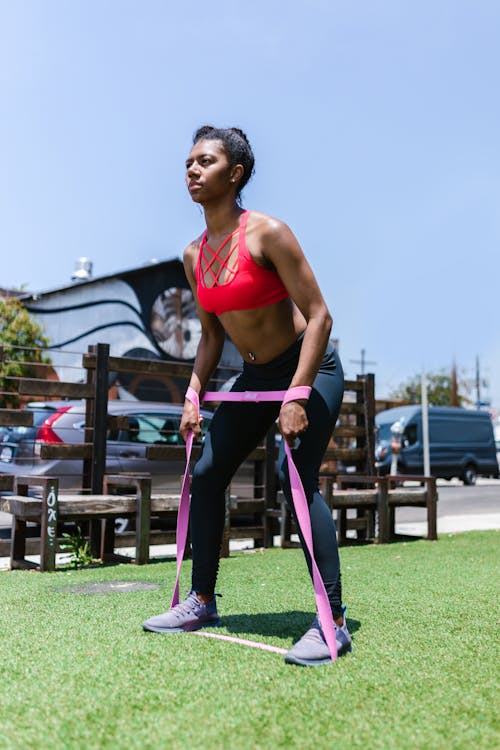
  • Resistance Bands – Affordable, portable, and effective for both strength and flexibility.
  • Yoga Mat – Provides comfort for floor exercises, stretching, and core workouts.
  • Cardio Machine (Treadmill, Bike, or Elliptical) – Choose one based on your fitness goal and available space.
  • Bench or Step Platform – For strength, HIIT, and functional training.

H2: Tips for Setting Up Your Home Gym

The best home gym setup for beginners should also consider environment and motivation:

  • Pick a dedicated workout space (garage, spare room, or corner).
  • Keep equipment organized and accessible.
  • Add a mirror for form-checking and motivation.
  • Use lighting and music to create an energizing atmosphere.

H2: Benefits of the Best Home Gym Setup for Beginners

  • Convenience – No commute, no excuses.
  • Cost-Effective – Save on long-term gym memberships.
  • Privacy – Train at your own pace, free from judgment.
  • Flexibility – Work out anytime, even with a busy schedule.

At  SoleFitness,  we provide a wide range of beginner-friendly equipment to help you kickstart your fitness journey at home.


Internal Links

External Link


FAQ on Best Home Gym Setup for Beginners

Q1: What’s the most important equipment for a beginner’s home gym?
Start with dumbbells, resistance bands, and a yoga mat—then expand as needed.

Q2: Do I need cardio machines in my home gym?
Not necessarily—bodyweight and resistance workouts can be effective. But a treadmill, bike, or elliptical adds variety.

Q3: How much space do I need for the best home gym setup for beginners?
A small dedicated corner is enough. You don’t need a large room to start.


Fitness Is More Than a Look – Discover the True Benefits of Exercise

You’re Not Too Old to Get Strong

You’re Not Too Old to Get Strong

You’re Not Too Old to Get Strong

You’re Not Too Old to Get Strong — this isn’t just a slogan, it’s a reality backed by science and countless inspiring stories. Age is not a barrier; it’s just a number. Strength is something you can build at any stage of life, and the benefits go far beyond the gym. Whether you want to feel younger, improve your health, or prove to yourself that you still got it, now is the time to start.

At Gategold Fitness and Sole Fitness, we believe it’s never too late to transform your body, mind, and health.


Why You’re Not Too Old to Get Strong

Many people think strength training is only for young athletes or bodybuilders. In reality, resistance training is one of the most powerful anti-aging tools available.

According to the National Institute on Aging, adults of any age can build muscle, strengthen bones, and improve balance with regular strength training. The key is starting at your current level and progressing safely.

When you embrace the idea that you’re not too old to get strong, you’ll see improvements in:

  • Muscle mass and bone density

  • Joint stability and mobility

  • Balance and coordination

  • Energy levels and metabolism

  • Confidence and independence


The Physical Benefits of Building Strength at Any Age

  • Prevents Muscle Loss – Strength training counters sarcopenia (age-related muscle decline).

  • Boosts Bone Health – Reduces the risk of osteoporosis and fractures.

  • Improves Heart Health – Supports cardiovascular function alongside cardio exercise.

  • Enhances Quality of Life – Makes everyday activities easier and pain-free.

  • Supports Healthy Weight – Builds lean muscle that burns calories even at rest.

Want to start at home? Check out our adjustable dumbbells for convenient, progressive training.


How to Start Your Strength Journey

  1. Start Small – Use light weights or resistance bands.

  2. Learn the Basics – Focus on form before increasing weight.

  3. Stay Consistent – Aim for 2–3 sessions per week.

  4. Fuel Your Progress – Eat enough protein and stay hydrated.

  5. Recover Well – Give your muscles time to rebuild.

💡 Pro Tip: Our Sole Fitness treadmill range is perfect for combining strength training with low-impact cardio.


Mindset: The Most Important Muscle

Your mind will quit long before your body does. The phrase “You’re Not Too Old to Get Strong” is a reminder to silence the doubts and start moving forward. Every repetition you complete, every walk you take, and every meal you improve is an investment in your future self.


FAQs on You’re Not Too Old to Get Strong

Q1: Can I build muscle after 50?
Yes! Research shows muscle growth is possible at any age with proper training and nutrition.

Q2: How heavy should I lift as a beginner?
Start with a weight you can lift for 10–15 reps without pain but with some challenge by the last few reps.

Q3: Do I need a gym to get strong?
Not at all. With just a set of home dumbbells or resistance bands, you can achieve great results.

Q4: Is strength training safe for older adults?
Yes, when done with proper form and gradual progression. Consult your doctor if you have existing health issues.

Q5: How soon will I see results?
With consistency, most people notice improved strength and energy in 4–6 weeks.


Final Word

You’re Not Too Old to Get Strong — you’re only too late if you never start. Whether you’re 40 or 70, you can still build strength, improve health, and feel amazing in your own skin. Start today with the right tools, mindset, and support.

Visit Gategold Fitness or Sole Fitness to find the perfect equipment for your journey to lifelong strength.
DM us on Instagram @gategoldfitness or @solefitnessng. We’ll help you build a supplement routine that fits your fitness goals and lifestyle.

Healing Starts with Movement: Reclaiming Strength Through Motion

Healing Starts with Movement: Reclaiming Strength Through Motion

Healing Starts with Movement: Reclaiming Strength Through Motion

Pain changes us—but so does healing.

Maybe you’ve been through something hard: an injury, illness, heartbreak, or burnout. Maybe life knocked you down, and your body doesn’t feel like home anymore. If you’re in that place, know this: you’re not broken. You’re rebuilding. And that rebuild starts with one thing—movement.

At Gategold and Sole Fitness, we don’t just see fitness as exercise. We see it as therapy, empowerment, and a tool for transformation. Whether you’re taking your first walk after surgery or lifting again after months of fatigue, one thing is always true—healing starts with movement.


Movement Is Medicine

When you move, you’re not just working your muscles. You’re improving blood flow, releasing endorphins, resetting your nervous system, and reconnecting with yourself.

  • Movement reduces stress and anxiety

  • It strengthens muscles weakened by injury or inactivity

  • It sharpens focus and improves mental health

  • It restores a sense of control when everything feels uncertain

Even the smallest steps count. A gentle stretch. A walk outside. A few minutes with dumbbells in your living room. Movement reminds your body it’s still capable. And it reminds your mind you’re still in control.


Start Where You Are—Not Where You Used to Be

One of the biggest barriers to healing is comparison. We think, “I used to be stronger,” “I used to run faster,” “I used to have more energy.”

Here’s the truth: you don’t need to return to who you were. You’re becoming someone new—stronger, more aware, and more resilient.

Start simple:

  • 5-minute stretches in the morning

  • A short walk around the block

  • Gentle bodyweight exercises

  • Light dumbbell routines at home

Sole Fitness and Gategold offer gear and guidance for every level of ability. Because healing isn’t about speed—it’s about direction. And forward is forward, no matter how slow.


The Connection Between Body and Mind

The moment you begin to move again, you create momentum. Physical motion leads to emotional motion. You sleep better. You breathe deeper. You feel alive again.

Exercise is often the missing piece in emotional recovery. It gives structure to chaos, routine to depression, and strength to weakness. Even if you’re hurting, movement is one thing you can still control.

You don’t have to feel strong to move—moving is what makes you stronger.


Tools That Support Your Healing

If you’re rebuilding strength or starting fresh, you don’t need to go it alone.
Sole Fitness and Gategold provide:

  • Dumbbells, resistance bands, yoga mats

  • Ellipticals and treadmills for joint-safe cardio

  • Adjustable benches and rehab-friendly tools

  • Expert advice for low-impact, recovery-focused workouts

We don’t just sell equipment—we support your comeback.


Real Progress Looks Like This…

  • Getting up even when you don’t feel like it

  • Choosing a 10-minute walk over staying in bed

  • Moving through the pain instead of avoiding it

  • Trusting your body again, one rep at a time

Healing is rarely loud. It’s often quiet, slow, and deeply personal. But it’s happening every time you decide not to give up.


The Takeaway: Your Recovery Begins with You

You don’t have to wait until you feel better to move.
Movement is how you start to feel better.
Every squat, every step, every stretch—it’s a vote for the future you’re building.

So if you’re stuck, scared, or simply tired:
Take a deep breath.
Put your shoes on.
And move.

Because healing starts with movement—and your comeback starts today.


 Need help choosing recovery-friendly equipment?

DM us on Instagram @gategoldfitness or @solefitnessng. Our team is here to help you get moving safely and confidently.

 Ready to begin again?

Shop gentle fitness tools and beginner bundles at www.gategoldng.com or www.solefitness.com.ng.
We deliver nationwide—so your healing starts at your doorstep.

Search for products

Back to Top
Product has been added to your cart