Weekly Workout Plan for Beginners

Recumbent Bike vs Upright Bike: Which One Wins for Your Fitness Goals?

Recumbent Bike vs Upright Bike: Which One Wins?

When it comes to indoor cycling equipment, two popular options dominate most fitness centers and home gyms — the recumbent bike and the upright bike. Both machines provide excellent cardiovascular workouts and are highly effective tools for improving fitness, burning calories, and building endurance. However, they each offer unique benefits depending on an individual’s health goals, physical condition, preferences, and limitations. In this comprehensive guide, we will explore the essential differences between these two machines to help you decide which one will win for you.


Understanding the Key Differences

🔹 Recumbent Bike

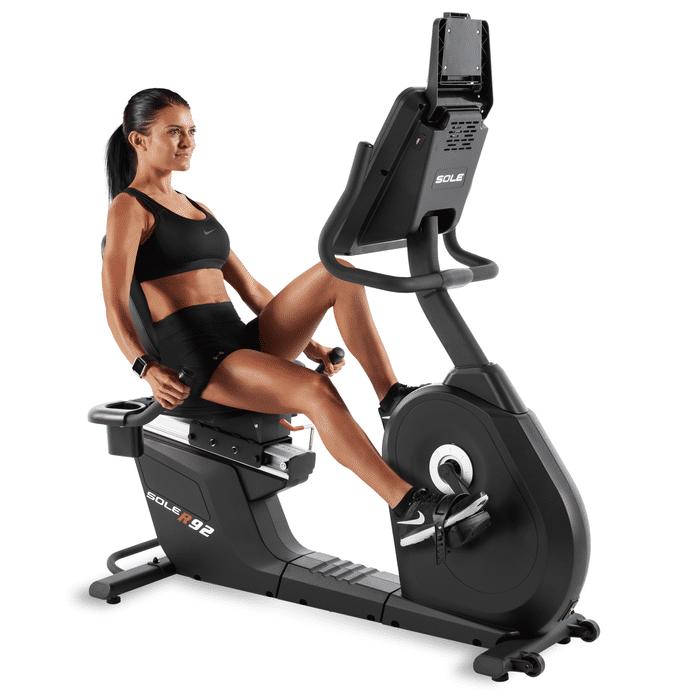
A recumbent bike allows the user to sit in a reclined position with back support, legs extended forward, and pedals positioned in front of the body rather than underneath. This design reduces strain on the lower back, hips, and joints, making it extremely comfortable, especially for individuals with mobility issues, back pain, or those recovering from injury.

🔹 Upright Bike

An upright bike, on the other hand, resembles a traditional road bicycle. The rider sits in an upright or slightly forward-leaning position, engaging more of the core and upper body. The pedals are positioned directly beneath the body, offering a more intense cycling experience that closely mimics outdoor cycling.


Recumbent Bike vs Upright Bike: Comparing the Benefits

🔸 1. Comfort and Accessibility

The recumbent bike clearly wins when it comes to comfort. The wide, cushioned seat and back support reduce pressure on the lower back, neck, and wrists. It’s an excellent option for seniors, individuals with limited mobility, or anyone dealing with back or joint pain.

The upright bike may be less comfortable for extended sessions, especially for beginners or those with lower back concerns, as it requires more core stability and places weight on the hands and wrists during longer rides.

🔸 2. Muscle Engagement

While both bikes work your legs, glutes, and cardiovascular system, the upright bike activates a broader range of muscles because it requires core stability to maintain posture. The forward-leaning position also engages your back, shoulders, and arms.

The recumbent bike isolates the lower body more, providing an effective workout for the quadriceps, hamstrings, glutes, and calves but with minimal engagement of the upper body and core.

🔸 3. Calorie Burn and Intensity

The upright bike often burns more calories due to higher intensity and full-body engagement, making it a better option for people aiming for weight loss or intense cardiovascular training.

The recumbent bike provides a moderate calorie burn but is excellent for longer, low-impact sessions where joint health and comfort are priorities.

🔸 4. Joint Impact and Injury Prevention

If joint protection is a priority, the recumbent bike is the superior choice. Its low-impact design minimizes pressure on the knees, ankles, hips, and spine, making it perfect for rehabilitation or long-term health maintenance.

The upright bike, while still low-impact compared to running, puts slightly more stress on the knees and hips due to its upright positioning and pedal mechanics.

🔸 5. Target Audience

Recumbent Bike is ideal for:

  • Seniors

  • Individuals with lower back or joint pain

  • Those recovering from injury

  • Beginners looking for low-impact cardio

Upright Bike is ideal for:

  • Intermediate to advanced fitness enthusiasts

  • Individuals aiming for high-intensity workouts

  • Those training for outdoor cycling

  • Users focused on weight loss and calorie burn


Which One Wins? It Depends on Your Fitness Goals

Choose a Recumbent Bike if:

  • You prioritize comfort and back support.

  • You have joint issues or chronic pain.

  • You’re focused on safe, long-duration cardio sessions.

  • You’re recovering from injury and need a gentle start.

Choose an Upright Bike if:

  • You want a more intense, full-body workout.

  • You’re training for road cycling or outdoor activities.

  • You’re looking to maximize calorie burn.

  • You want to strengthen your core and upper body simultaneously.


How GateGold Can Help You Choose

At Gategold Fitness, we understand that every fitness journey is unique. That’s why we offer a wide variety of both recumbent bikes and upright bikes suitable for home gyms, fitness centers, and rehabilitation facilities. Our equipment combines comfort, durability, and advanced features to meet the needs of every user — whether you are a beginner seeking low-impact cardio or a seasoned athlete chasing performance gains.

You can explore models such as:

  • SOLE LCR Light Commercial Recumbent Bike (excellent for rehab & long-duration cardio)

  • SOLE B94 Upright Bike (perfect for intense calorie-burning sessions)

Visit our Gategold Fitness showroom or shop online for expert recommendations.

Supplements & Nutrition for Growing Bodies

While supplements are not always necessary for healthy children, balanced nutrition is vital. Ensure kids consume a diet rich in:

  • Lean proteins for muscle growth (eggs, fish, chicken)

  • Complex carbs for energy (whole grains, sweet potatoes)

  • Healthy fats for brain development (avocados, nuts)

  • Vitamins and minerals (leafy greens, fruits, dairy)

  • Hydration is key — encourage water intake over sugary drinks

Consult with a pediatric nutritionist before introducing any supplements, especially for growing bodies.


Incorporating Either Bike into a Full Workout Routine

No matter which bike you choose, you can maximize results by combining cycling with other forms of exercise such as:

  • Strength training (using dumbbells, resistance bands)

  • Stretching and flexibility work (yoga or Pilates)

  • Core workouts (planks, sit-ups)

  • Balance and stability exercises

This holistic approach helps improve overall fitness, prevent muscle imbalances, and keeps your routine fresh and engaging.


FAQ: Recumbent Bike vs Upright Bike

❓ Is a recumbent bike easier than an upright bike?

Yes, in general, recumbent bikes are easier on the body due to their supportive design and low-impact nature.

❓ Can you still lose weight on a recumbent bike?

Absolutely. Consistency, duration, and diet will contribute to weight loss even with lower-impact cardio sessions.

❓ Which bike is better for bad knees?

Recumbent bikes are generally safer and more comfortable for individuals with knee issues.

❓ Can upright bikes help improve posture?

Yes, upright bikes engage the core and back muscles more actively, potentially improving posture over time.


Conclusion: The Real Winner Is Consistency

In the recumbent bike vs upright bike debate, there is no absolute winner — only the choice that fits your personal needs and fitness goals. The most important factor is finding a machine that you enjoy and feel comfortable using consistently. Whether you prioritize comfort, rehabilitation, calorie burn, or athletic training, both machines have valuable roles in any fitness journey.

At Gategold Fitness, we are here to help you make the right investment for your health. Visit our store, explore our product range, and start building a consistent fitness routine today.


Call to Action:

🚴‍♂️ Ready to invest in your health?
Visit Gategold Fitness Nigeria today for expert advice and premium cardio equipment.

Visit our showrooms in Lagos, Abuja, Port Harcourt, Onitsha, and other branches nationwide.

  • Gategold Nigeria
  • BuyFitnessProduct
  • Sole Fitness Nigeria
  • Phone: +234 803 329 3090

  • Shop Online: Fast delivery nationwide

  • Need Help? Our experts are ready to assist with setup and equipment recommendations.
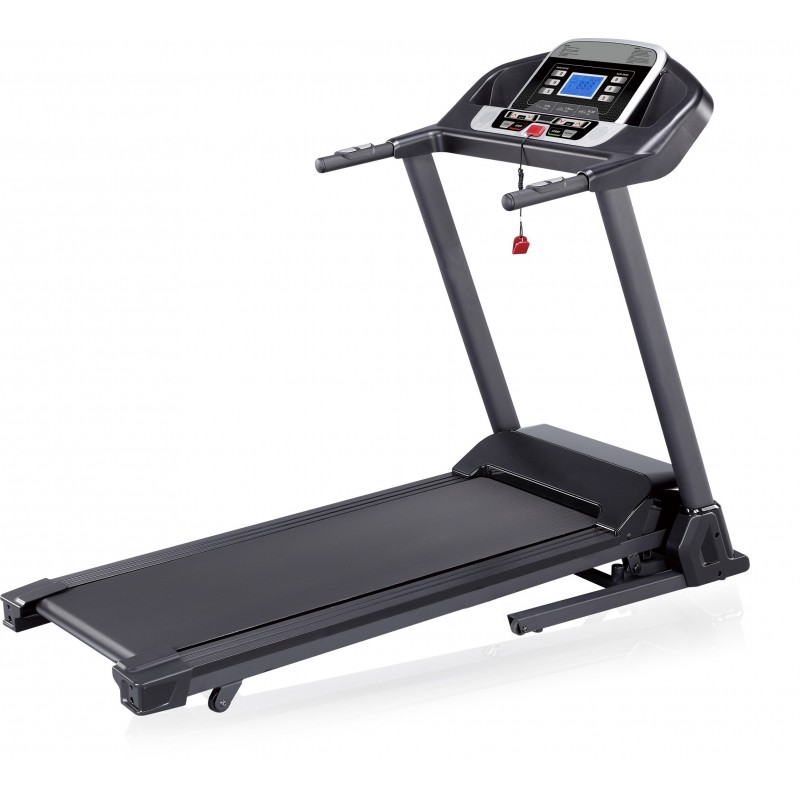
Shop high-performance Commercial Treadmills for gyms and fitness centers. Built for durability, intense use, and smooth cardio workouts with advanced features and stability

HIIT vs Strength Training: Which Workout Is Better for Your Fitness Goals?

HIIT vs Strength Training: Which One Is Better?

When it comes to building a solid fitness routine, one of the biggest debates in the fitness world is HIIT vs Strength Training. Both training styles are effective and offer amazing benefits, but they cater to different fitness goals and body needs. Whether you’re trying to burn fat, build muscle, improve endurance, or enhance overall health, understanding the difference between these two powerful methods is key to designing a routine that works for you.


What Is HIIT?

High-Intensity Interval Training (HIIT) is a workout style that alternates between short bursts of intense activity and brief recovery periods. These workouts typically last between 15 to 30 minutes but are incredibly effective in maximizing calorie burn, improving cardiovascular health, and increasing metabolic rate. HIIT is ideal for those with limited time who still want to achieve noticeable results, and it’s known for the “afterburn effect”—where your body continues to burn calories even after your workout ends.

Common HIIT exercises include sprinting, burpees, jump squats, mountain climbers, and kettlebell swings, often done in quick rounds using equipment like rowing machines, treadmills, or stationary bikes. This training format makes HIIT perfect for fat loss and boosting stamina.


What Is Strength Training?

Strength training, also known as resistance training, involves exercises that improve muscular strength and size using weights, resistance bands, or body weight. It focuses on controlled movements and progressive overload, where you gradually increase the weight to challenge your muscles over time. Strength training sessions usually last between 45 to 60 minutes and can target specific muscle groups like chest, legs, arms, or the entire body.

Popular gym machines like the multi-squat machine, cable crossover, leg press, and lat pulldown are commonly used. This method is essential for anyone aiming to build muscle mass, tone the body, improve posture, or prevent age-related muscle loss.


HIIT vs Strength Training: Key Differences

Feature HIIT Strength Training
Primary Goal Fat loss, endurance Muscle gain, strength
Workout Duration 15–30 minutes 45–60 minutes
Calorie Burn High (during & after workout) Moderate
Equipment Needed Minimal or bodyweight Weights, machines
Recovery Time Short but intense Longer recovery for muscle repair
Body Impact Cardiovascular focus Musculoskeletal focus

Which One Should You Choose?

If you’re short on time, want to burn fat fast, or improve your heart health, HIIT is a great option. It’s quick, efficient, and keeps your body burning calories long after the workout ends. However, it can be intense on the joints, especially if performed with poor form or without adequate rest.

On the other hand, if your goals are to gain muscle, tone your body, or increase long-term strength, then strength training is essential. It reshapes your body over time and supports metabolic function, bone density, and even mental health. Ideally, combining both training types in your weekly routine offers a balanced approach—HIIT for cardiovascular fitness and fat burn, and strength training for muscle development and injury prevention.


Mental and Physical Benefits of Both

Both HIIT and strength training support mental wellness by reducing stress, improving sleep, and boosting confidence. Physically, they each play a role in enhancing metabolism, improving posture, increasing energy levels, and maintaining a healthy weight. Choosing the right one (or both) depends on your personal goals and lifestyle.


Nutrition and Supplements for Better Results

No matter your workout choice, nutrition is critical. Pre- and post-workout meals should be rich in protein and complex carbohydrates to support performance and recovery.

  • Supplements to Consider:

    • Whey Protein: Helps with muscle recovery and growth.

    • BCAAs: Great during workouts to reduce muscle soreness.

    • Creatine: Ideal for strength training to increase power and performance.

    • Electrolytes: Important for hydration, especially in intense HIIT sessions.

    • Pre-Workout Formula: For energy and focus during high-intensity workouts.

    • For more health benefits of exercise, visit Healthline and VeryWellFit.

Equipment That Supports Both Workouts

At Gategold, we offer fitness machines designed to support both HIIT and strength training:

  • Treadmills and Rowing Machines: Ideal for HIIT intervals.

  • Cable Crossover Machines and Dumbbells: For versatile strength exercises.

  • Functional Trainers and Resistance Bands: Perfect for hybrid workouts.

  • Visit Gategold Nigeria or BuyFitnessProduct

Explore our range at Gategold Gym Equipment and find the right tools to upgrade your home or commercial gym.


✅ FAQs

Q: Can I do both HIIT and strength training in the same week?
Yes! Alternating between HIIT and strength sessions throughout the week creates a balanced routine and prevents workout plateaus.

Q: Is HIIT better than strength training for weight loss?
HIIT is faster for calorie burning, but strength training helps you maintain lean muscle mass, which supports long-term fat loss.

Q: How many days a week should I do HIIT or strength training?
For beginners: 2–3 days of HIIT and 2–3 days of strength training is a good start, with rest days in between.

Q: Will strength training make me bulky?
Not unless you’re training and eating specifically for muscle size. Most people will simply become more toned and defined.


💬 Final Thoughts

In the HIIT vs Strength Training debate, the real winner is the one that aligns with your fitness goals, schedule, and preferences. There’s no one-size-fits-all approach. For fat loss and speed, go HIIT. For muscle, tone, and long-term strength, stick with strength training. Or better yet—incorporate both into a smart, flexible plan that keeps your body guessing and progressing.

Ready to level up your training? Explore Gategold’s fitness equipment and start building the strongest, fittest version of you today.

Visit our showrooms in Lagos, Abuja, Port Harcourt, Onitsha, and other branches nationwide.

  • Gategold Nigeria
  • BuyFitnessProduct
  • Sole Fitness Nigeria
  • Phone: +234 803 329 3090

  • Shop Online: Fast delivery nationwide

  • Need Help? Our experts are ready to assist with setup and equipment recommendations.

10-Min HIIT for Busy Moms

Best Exercises for Endomorphs: Burn Fat and Stay Lean with Smart Training

Understanding the Endomorph Body Type

If you’ve ever struggled with losing fat despite working hard in the gym, you might fall under the endomorph body type. Known for having a rounder physique, a slower metabolism, and a higher tendency to store body fat, endomorphs often find it more challenging to achieve a lean, athletic look. But the good news is — with the best exercises for endomorphs, a focused workout structure, and proper nutrition, transforming your body and maintaining a fit lifestyle is absolutely possible.

In this comprehensive guide, we’ll explore exactly how endomorphs can use their natural traits to their advantage by combining effective strength training, fat-burning cardio, and smart gym equipment usage. Whether you’re just starting your fitness journey or looking to break through a plateau, this guide will help you develop a sustainable training routine tailored specifically to the endomorph physique.


What Does an Endomorph Body Type Look Like?

Endomorphs typically have a soft, rounder appearance and are more prone to fat storage — particularly around the hips, thighs, and abdomen. This body type also tends to have a wider waist, thicker joints, and shorter limbs. But what often goes unrecognized is that endomorphs can also be incredibly strong, especially in lower body lifts like squats and deadlifts.

Typical Endomorph Traits:

  • Wider hips and waist with a stocky build
  • Higher percentage of body fat, especially in the midsection
  • Slower metabolism and difficulty losing weight
  • Stronger lower body with a natural ability to gain muscle mass
  • May feel sluggish or tired more easily during cardio workouts

Unlike ectomorphs who struggle to gain mass, or mesomorphs who build muscle effortlessly, endomorphs must prioritize fat-burning strategies — both in training and nutrition — to optimize their health and appearance.


Why Endomorphs Must Train Differently

Endomorphs require a more deliberate approach to fitness that emphasizes calorie-burning, metabolic conditioning, and muscle retention. While strength training is still essential, it should be balanced with frequent, high-intensity cardio and active recovery. Relying only on lifting heavy or occasional workouts won’t yield lasting results — the goal is consistency and structure.

That’s where the best exercises for endomorphs come in. The most effective training programs combine compound strength exercises (to build and preserve lean muscle) with cardio intervals (to ignite fat loss and boost metabolic rate). Machine-based isolation exercises and bodyweight circuits can also complement the program to improve endurance and promote overall conditioning.


How Endomorphs Should Use Gym Equipment to Burn Fat Effectively

To maximize fat loss and retain muscle, endomorphs should strategically use a mix of gym machines, free weights, and cardio equipment. Here’s how to make the most of your time at the gym:

1. Free Weights: Build Muscle and Burn Calories

Free weights are key to increasing lean mass and boosting resting metabolism. By training with compound movements, endomorphs can trigger a strong hormonal response that promotes fat burning and muscle growth.

Top Free Weight Exercises:

  • Barbell Squats
  • Romanian Deadlifts
  • Dumbbell Lunges
  • Bench Press
  • Dumbbell Rows

Tip: Focus on 3–4 sets of 10–12 reps with moderate rest periods to keep heart rate elevated.

Visit Gategold Nigeria or BuyFitnessProduct.

2. Cardio Machines: Maximize Fat Burn

Endomorphs benefit greatly from frequent cardio. Machines like the treadmill, elliptical, and stair climber offer a low-impact way to burn high calories.

Effective Cardio Machines:

  • StairMaster (High-calorie burn for glutes and legs)
  • Treadmill with incline (Mimics hill sprints)
  • Rowing machine (Full-body cardio with resistance)

Tip: Combine steady-state cardio (30–45 mins) with HIIT (20 mins, 2–3x per week).

3. Machines & Isolation Movements: Shape and Define

Use machines after your compound lifts to target specific muscles and support joint safety.

Useful Machines:

  • Leg Press
  • Seated Chest Press
  • Lat Pulldown
  • Ab Crunch Machine

Tip: Slow, controlled reps with light-to-moderate weights work best for toning.

Want to learn how to use proper form? Check out our GateGold Gym training tutorials or book a session with one of our certified coaches.


Best Exercises for Endomorphs: Complete Workout Breakdown

Full-Body Strength Builders

  • Barbell Squats (3×10)
  • Romanian Deadlifts (3×10)
  • Dumbbell Lunges (3×12 per leg)
  • Push-Ups or Chest Press (3×10–12)
  • Bent-over Rows (3×10)

Cardio Intervals for Fat Loss

  • 20-minute HIIT on treadmill: 30 sec sprint, 90 sec walk
  • 30-minute incline walk (5% incline minimum)
  • 10-minute rower intervals: 1 min on, 1 min rest

Bodyweight Conditioning

  • Jump Squats (3×15)
  • Mountain Climbers (3×20 sec)
  • Plank Holds (3×30–60 sec)
  • Burpees (3×10–15 reps)

Weekly Workout Plan for Endomorphs

Day 1: Full Body Strength + Cardio (HIIT)
Day 2: Lower Body Focus + Stair Climber
Day 3: Active Recovery or Yoga
Day 4: Upper Body Strength + HIIT
Day 5: Circuit Training (Full Body)
Day 6: Steady-State Cardio + Core
Day 7: Rest or Low-Intensity Walk


Nutrition for Endomorphs

A clean, high-protein, lower-carb diet supports fat loss for this body type. Limit processed foods and focus on whole ingredients to avoid insulin spikes and cravings.

Endomorph Diet Tips:

  • Prioritize lean proteins: chicken, fish, eggs, legumes
  • Limit carbs to whole grains, veggies, and fruit
  • Avoid sugar and refined carbs
  • Add healthy fats: avocados, olive oil, almonds
  • Drink 3–4 liters of water daily

For safe supplement advice, visit National Institutes of Health: Dietary Supplements for Exercise.


Supplements to Support Fat Loss

  • Whey Protein: Supports lean muscle and reduces hunger
  • Green Tea Extract: Boosts metabolism naturally
  • L-Carnitine: Helps convert fat to energy
  • CLA: May assist in fat metabolism

NIH Supplement Guide


FAQs: Best Exercises for Endomorphs

Q: Can endomorphs build muscle without getting bulky?
A: Yes, by following a high-rep, moderate-weight program and keeping cardio consistent.

Q: How often should endomorphs do cardio?
A: At least 3–5 times per week, combining both HIIT and steady-state sessions.

Q: What is the best time to work out for fat loss?
A: Mornings may boost metabolism early, but consistency is more important than time.


Final Thoughts On Best Exercises for Endomorphs

Endomorphs may face more challenges when it comes to fat loss, but with the right strategy — combining resistance training, regular cardio, a nutrient-dense diet, and discipline — success is within reach. Use the best exercises for endomorphs consistently, adjust your routine as needed, and focus on progress, not perfection.

Ready to transform your body? Start with GateGold:

Take control of your fitness journey today. You have the power — all you need is the right plan and consistent action.

isit our showrooms in Lagos, Abuja, Port Harcourt, Onitsha, and other branches nationwide.

OR

Visit our website NOW

Hello world!

Welcome to WordPress. This is your first post. Edit or delete it, then start writing!

Search for products

Back to Top
Product has been added to your cart