Gym Etiquette: What Not to Do

Gym Etiquette: What Not to Do
 

Gym Etiquette: What Not to Do

Gym Etiquette: What Not to Do

When it comes to creating a positive fitness experience, Gym Etiquette: What Not to Do is one of the most overlooked aspects of training. Following proper gym etiquette not only helps you get the most from your workout but also makes the environment better for others. At SoleFitness we believe that understanding these rules of respect and courtesy is just as important as lifting weigh

ts or running on a treadmill.


Why Gym Etiquette Matters

Practicing gym etiquette: what not to do ensures that everyone enjoys a clean, safe, and motivating space. A gym is a shared environment, so being mindful of your actions prevents conflicts, reduces risks, and keeps equipment available for others. Whether you’re training in a commercial fitness center or a home gym setup with equipment from SoleFitness, these principles apply everywhere.


H2: Don’t Hog Equipment

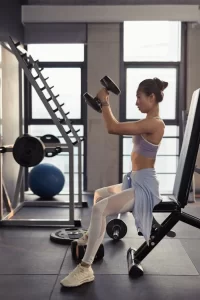
One of the most common gym etiquette: what not to do mistakes is monopolizing machines or dumbbells while others wait. Avoid sitting on equipment while scrolling your phone. If you need rest between sets, step aside and allow others to work in.


H2: Don’t Skip Wiping Down Machines

Sweat is normal—but leaving it on equipment is not. Always wipe down benches, treadmills, or weights after use. At SoleFitness, our cardio machines are designed with easy-clean surfaces, but it’s still your responsibility to keep them fresh for the next person.


H2: Don’t Drop Weights Carelessly

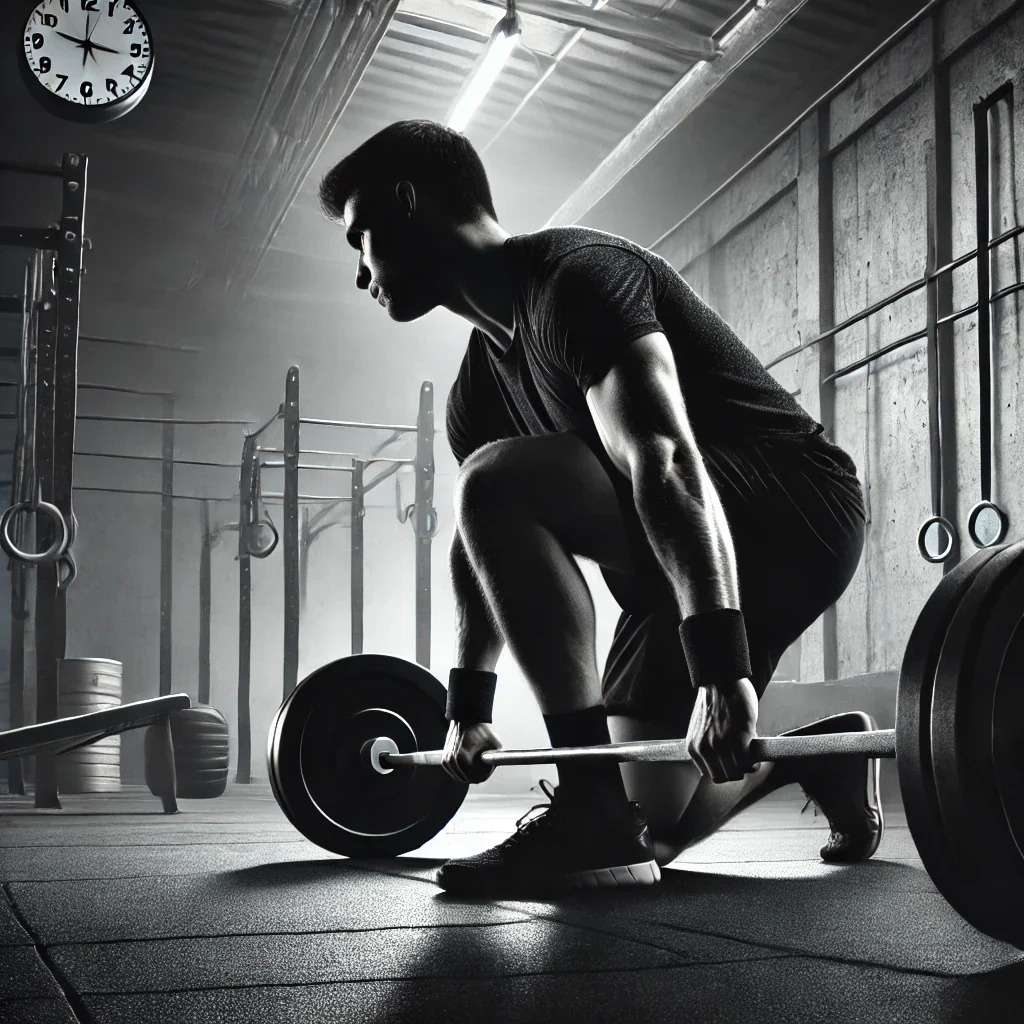
Respect the equipment. Slamming or dropping weights not only damages machines but also disturbs others. If you train at home with SoleFitness strength gear, this rule applies too—it extends the life of your equipment and protects your floor.


H2: Don’t Ignore Personal Space

Another important aspect of gym etiquette: what not to do is crowding others. Always give fellow gym-goers enough space to perform their exercises safely and comfortably.


H2: Don’t Give Unsolicited Advice

Even if you know a better form, avoid approaching someone unless asked. The gym should be a supportive space, not a place for unsolicited criticism. If you want guidance, trainers at SoleFitness are always ready to help.


Internal Links


External Link

For additional tips on proper gym manners, check out this guide from the American Council on Exercise.


FAQ on Gym Etiquette: What Not to Do

Q1: Why is wiping down gym equipment important?
It helps maintain hygiene, reduces the spread of bacteria, and makes the gym environment pleasant for everyone.

Q2: What should I do if someone is hogging a machine?
Politely ask if you can “work in” between their sets. Most people will gladly share.

Q3: Is it okay to bring food into the gym?
No, eating in the gym is not only distracting but also creates messes. Stick to your water bottle and post-workout snacks outside the training floor.
 

Endomorph Workout Plan: The Best Strategy to Burn Fat and Build Strength

Endomorph Workout Plan: The Best Strategy to Burn Fat and Build Strength

Endomorph Workout Plan: The Best Strategy to Burn Fat and Build Strength

Finding the right Endomorph Workout Plan is essential if you have a body type that tends to store fat easily and struggles with faster weight gain. An effective Endomorph Workout Plan combines resistance training, cardio, and a clean nutrition strategy to help you build strength while shedding excess fat. At Solefitness,  we provide not only the right equipment but also the guidance you need to achieve lasting results.


Why Endomorphs Need a Unique Workout Plan

Endomorphs generally have a larger bone structure, a naturally slower metabolism, and higher body fat levels compared to ectomorphs and mesomorphs. This makes following a proper Endomorph Workout Plan crucial to staying lean, strong, and healthy.

Unlike other body types, endomorphs thrive on a mix of high-intensity training and controlled calorie intake. This plan ensures steady fat loss while preserving muscle mass.


Components of the Best Endomorph Workout Plan

1. Strength Training for Endomorphs

  • Focus on compound exercises such as squats, deadlifts, bench presses, and pull-ups.
  • Train 3–4 times a week to boost metabolism and build lean muscle.
  • Keep rest periods short (30–60 seconds) to maintain intensity.

👉 Check out our strength equipment collection to set up your training space with essentials like barbells, benches, and squat racks.


2. High-Intensity Interval Training (HIIT)

HIIT is a must-have in any Endomorph Workout Plan. Short bursts of cardio followed by recovery periods are excellent for burning calories and improving endurance.

  • Perform HIIT 2–3 times per week (cycling, treadmill sprints, rowing).
  • Keep sessions between 20–30 minutes.

👉 See our treadmills and elliptical trainers for effective cardio workouts at home.


3. Steady-State Cardio

Alongside HIIT, endomorphs benefit from low-to-moderate intensity cardio.

  • Include walking, jogging, or cycling for 30–45 minutes, 2–3 times per week.
  • Best performed in the morning or after strength training for fat burning.

👉 Browse affordable cardio options at Solefitness.


4. Nutrition Guidelines for Endomorphs

A workout plan for endomorphs is incomplete without proper nutrition.

  • Prioritize lean protein (chicken, fish, eggs).
  • Eat more vegetables and healthy fats.
  • Limit refined carbs and sugars.
  • Use portion control to avoid overeating.

Sample Weekly Endomorph Workout Plan

Day 1: Full-body strength training (squats, bench press, pull-ups).
Day 2: HIIT cardio (treadmill sprints).
Day 3: Rest or steady-state cardio.
Day 4: Strength training (deadlifts, shoulder press, dips).
Day 5: HIIT cardio or rowing.
Day 6: Strength training (lunges, pull-ups, core).
Day 7: Active rest (light walk, stretching).


FAQ: Endomorph Workout Plan

Q1: Can endomorphs lose weight fast?
A1: Weight loss can be slower due to a naturally slower metabolism, but with a structured workout plan and proper diet, sustainable fat loss is very achievable.

Q2: Should endomorphs focus more on cardio or weights?
A2: Both are important, but combining strength training with HIIT gives the best results for endomorphs.

Q3: How many calories should an endomorph eat?
A3: It depends on age, activity level, and goals, but a slight calorie deficit with high protein intake is ideal.

Q4: Can endomorphs build muscle easily?
A4: Yes, endomorphs gain muscle faster than ectomorphs but must balance workouts to prevent excess fat gain.


best treadmill machine1

Staying Consistent with Workouts: Your Guide to Lasting Fitness Success

Staying Consistent with Workouts

Staying Consistent with Workouts: Your Guide to Lasting Fitness Success

Introduction

Staying consistent with workouts is the secret to achieving long-term fitness success. Many people start their SoleFitness equipment, hit the gym with SoleFitness machines, or explore SoleFitness’s fitness resources, consistency is what keeps your progress alive. In this article, we’ll explore why staying consistent with workouts matters, proven strategies to make it easier, and tools you can use to stay motivated.


Why Staying Consistent with Workouts Matters

Building muscle, losing fat, or improving endurance doesn’t happen overnight. Progress comes from staying consistent with workouts and showing up even on tough days. Consistency helps you:

  • Build habits that last for life
  • Improve strength and endurance steadily
  • Avoid injury by training regularly at a manageable pace
  • Stay motivated by seeing visible results over time

When you commit to a steady routine, your workouts become part of your lifestyle instead of a temporary effort.


How to Stay Consistent with Workouts

1. Set Realistic Goals

Start with achievable goals like training three times a week. Overcommitting can lead to burnout.

2. Create a Workout Schedule

Treat your fitness sessions like important appointments. Block time on your calendar to avoid excuses.

3. Use the Right Equipment

Investing in quality fitness tools from  SoleFitness can make your workouts more enjoyable and effective.

4. Track Your Progress

Record your workouts and monitor results. Tracking keeps you accountable and motivated.

5. Stay Flexible

Life gets busy, but don’t quit. Even short sessions, such as a 15-minute HIIT workout, are better than skipping entirely.


Tips from SoleFitness for Staying Consistent

At SoleFitness, we recommend focusing on sustainable workouts instead of quick fixes. Join a community, set reminders, and reward yourself for staying on track.


FAQs on Staying Consistent with Workouts

Q1: How do I stay motivated when I feel tired?
A: Remind yourself of your long-term goals, and even do a light session instead of skipping completely.

Q2: How many days per week should I work out?
A: For beginners, 3–4 days per week is enough. Advanced athletes may train 5–6 days.

Q3: What’s the best time to work out?
A: The best time is the time you can stick with consistently, whether morning or evening.

Q4: Can home workouts keep me consistent?
A: Yes! With simple equipment like dumbbells, resistance bands, or treadmills from  SoleFitness, you can maintain consistency without leaving your house.


Conclusion

Staying consistent with workouts is the most powerful tool in your fitness journey. Whether you’re using gym equipment from SoleFitness, shopping for home essentials atSoleFitness, or learning strategies fromSoleFitness Fitness, consistency is what guarantees results. Start small, build momentum, and let your workouts become a natural part of your everyday life.

Best Elliptical Machines1

   Functional Fitness Training for Everyday Strength and Performance

Functional Fitness Training

   Functional Fitness Training for Everyday Strength and Performance

Functional fitness training is more than just another workout trend; it is a proven way to build strength, balance, coordination, and endurance that directly translates to your daily life. At SoleFitness,  we believe functional fitness training is the foundation of overall health because it focuses on movements your body actually uses every day—lifting, pushing, pulling, bending, and carrying.


 Why Functional Fitness Training Matters

Unlike traditional workouts that isolate single muscles, functional fitness training combines multiple muscle groups to move efficiently and safely. This type of training not only improves your physical health but also prevents injuries and enhances flexibility. Imagine carrying groceries, climbing stairs, or even playing with your kids—functional workouts prepare your body for these everyday demands.


Benefits of Functional Fitness Training

  1. Improves Core Stability – Strengthens your core for balance and posture.
  2. Enhances Mobility & Flexibility – Makes movements smoother and reduces stiffness.
  3. Boosts Strength & Endurance – Helps you perform daily tasks with ease.
  4. Prevents Injuries – Builds muscles and joints for long-term resilience.
  5. Supports Weight Loss & Conditioning – Combines cardio and strength for fat burning.

Best Functional Fitness Training Exercises

At SoleFitness, we recommend starting with these effective exercises:

  • Squats – Builds lower body and core strength.
  • Lunges with Dumbbells – Improves balance and coordination.
  • Deadlifts with Resistance Bands – Strengthens back and hamstrings.
  • Push-Ups & Variations – Full-body strength builder.
  • Medicine Ball Slams – Explosive power and core strength.

👉 For beginners, start with bodyweight movements. For advanced users, incorporate equipment like resistance bands, kettlebells, and medicine balls.


 How to Start Functional Fitness Training

  1. Begin with 2–3 sessions weekly, focusing on full-body workouts.
  2. Use progressive overload—increase weights and reps gradually.
  3. Incorporate mobility warm-ups to prevent injuries.
  4. Rest adequately to allow recovery and muscle growth.


 FAQs on Functional Fitness Training

Q1: Is functional fitness training good for beginners?
Yes, functional fitness is perfect for beginners because it starts with natural movements and builds strength gradually.

Q2: How many times per week should I do functional training?
2–4 times per week is recommended for best results.

Q3: What equipment is best for functional fitness training?
Resistance bands, kettlebells, dumbbells, and medicine balls are excellent tools.


Final Thoughts

Functional fitness training is about preparing your body for life—not just the gym. At SoleFitness we recommend adding functional workouts to your weekly routine for a stronger, healthier, and more resilient body. It’s not just about looking fit; it’s about living better.


best treadmill machine1

Best Cardio at Home: Simple Workouts for Every Fitness Level


Best Cardio at Home

Best Cardio at Home for Fitness and Health

The best cardio at home routines are not only convenient but also effective for improving heart health, burning fat, and boosting energy levels. Whether you’re just starting your fitness journey or looking to upgrade your workouts, incorporating the best cardio at home ensures consistency and progress. With SoleFitness, you’ll find the guidance, equipment, and support to make your home workouts powerful and sustainable.


H2: Why Choose the Best Cardio at Home?

The best cardio at home is all about accessibility and flexibility. No need for long commutes to the gym—you can achieve the same fat-burning, endurance-boosting benefits in the comfort of your space. Cardio at home can be done with minimal equipment, like jump ropes or resistance bands, or with machines such as treadmills and stationary bikes available at SoleFitness.


H2: Examples of the Best Cardio at Home Workouts

  1. Jump Rope – Burns calories fast while improving coordination.
  2. Bodyweight HIIT – Squats, burpees, mountain climbers, and push-ups done in intervals.
  3. Stair Climbing – If you have stairs at home, this is an excellent cardio booster.
  4. Treadmill RunningSoleFitness treadmills provide a gym-quality workout right at home.
  5. Dance Workouts – Fun, high-energy, and great for endurance.

For equipment recommendations, visit  SoleFitness machines designed to maximize your results.


H2: Benefits of Doing the Best Cardio at Home

  • Convenience – No travel time needed.
  • Cost-Effective – Save on gym memberships.
  • Consistency – Easier to stick with routines.
  • Privacy – Work out in your own space at your own pace.

H2: FAQs on Best Cardio at Home

Q1: Can I lose weight with just cardio at home?
Yes, the best cardio at home workouts combined with a healthy diet can support weight loss effectively.

Q2: Do I need equipment for cardio at home?
Not necessarily. Bodyweight exercises and routines like jumping jacks or burpees are effective, but machines from SoleFitness  can help boost results.

Q3: How often should I do cardio at home?
Aim for 3–5 sessions per week, depending on your fitness goals.


Conclusion

The best cardio at home is about finding what works for your lifestyle and fitness level. With support from  SoleFitness, you have access to the best routines, machines, and expert tips to make your journey effective and enjoyable. Start small, stay consistent, and enjoy the transformation.

SoleFitness

   Nutrition for Muscle Growth: The Key to Strength and Recovery

   Nutrition for Muscle Growth: The Key to Strength and Recovery

   Nutrition for Muscle Growth: The Key to Strength and Recovery

Nutrition for muscle growth is just as important as lifting weights or following a structured workout program. At SoleFitness,  we emphasize that what you eat fuels your body, repairs muscle tissue, and enhances performance. Without proper nutrition for muscle growth, your workouts will never deliver the full results you deserve.


Why Nutrition for Muscle Growth Matters

Strength training and cardio session

s break down muscle fibers, and it is through recovery and proper nutrition for muscle growth that these fibers rebuild stronger. Protein intake, complex carbohydrates, and healthy fats all play a critical role in fueling your body. According to Healthline, combining balanced macronutrients with sufficient rest ensures your muscles grow efficiently.

At SoleFitness we provide expert tips to help you align your training with the right diet, while SoleFitness offers high-quality fitness products to support your recovery journey.


  Key Foods for Nutrition for Muscle Growth

  1. Protein Sources – Lean meats, eggs, fish, legumes, and whey protein.
  2. Carbohydrates – Whole grains, brown rice, oats, and sweet potatoes for energy.
  3. Healthy Fats – Avocados, nuts, seeds, and olive oil to support hormones.
  4. Hydration – Water and electrolytes for proper performance and recovery.

  Meal Timing for Nutrition for Muscle Growth

  • Pre-Workout: Carbs + protein for energy and muscle priming.
  • Post-Workout: Protein shake or lean protein with carbs to boost recovery.
  • Daily Consistency: Balanced meals every 3–4 hours to maintain steady growth.

 Supplements That Support Nutrition for Muscle Growth

  • Whey Protein
  • Creatine
  • BCAAs (Branched-Chain Amino Acids)
  • Multivitamins

At SoleFitness you can find trusted supplements to enhance your performance and recovery.


FAQs on Nutrition for Muscle Growth

Q1: How much protein do I need daily for muscle growth?
A: Around 1.6–2.2 grams per kilogram of body weight is recommended.

Q2: Is it okay to build muscle without supplements?
A: Yes, supplements are optional; whole foods provide all essential nutrients if planned well.

Q3: What’s the most important meal for muscle growth?
A: Post-workout meals are crucial for recovery and growth.


Hydration and Performance

 Home Gym Essentials: What You Need to Get Started


Home Gym Essentials

Home Gym Essentials to Kickstart Your Fitness Journey

Home gym essentials are the foundation of building a fitness space that helps you stay consistent, motivated, and strong. Whether you’re new to working out or transitioning from a commercial gym, having the right equipment ensures you never miss a workout. At Solefitness we help you choose the best gear to match your goals.

Check out our strength training equipment and cardio machines to create your perfect setup today.


Why Home Gym Essentials Matter

Creating a home gym isn’t just about saving money on memberships—it’s about convenience, consistency, and long-term health. With your own setup, you can train anytime, avoid crowded gyms, and stay committed to your routine.

At Gategold, we offer budget-friendly options so anyone can start building a home gym without overspending.


Top 6 Home Gym Essentials

1. Dumbbells

Dumbbells are versatile, perfect for strength training, toning, and even HIIT workouts. Adjustable dumbbells save space and give you a full range of weights.

2. Resistance Bands

A must-have for mobility, flexibility, and strength training. They’re lightweight and portable—great for warm-ups or rehab exercises.

3. Yoga Mat

For stretching, floor exercises, and core workouts, a yoga mat is a non-negotiable essential.

4. Cardio Machine (Treadmill or Elliptical)

Cardio machines like the Sole Elliptical provide low-impact training, while treadmills help improve endurance and fat burning.

👉 Check out Sole Elliptical and Solefitness treadmills for top-rated options.

5. Adjustable Bench

For presses, step-ups, and strength exercises, an adjustable bench enhances your training variety.

6. Kettlebells

Perfect for dynamic strength workouts, kettlebells improve power, coordination, and endurance.


How to Choose the Right Home Gym Essentials

When selecting home gym essentials, consider:

  • Your fitness goals (strength, cardio, weight loss, flexibility).
  • Available space (small setups may focus on resistance bands and dumbbells).
  • Your budget (start small and add gradually).

FAQs on Home Gym Essentials

Q1: What is the most important piece of home gym equipment?
A: Dumbbells are often considered the most versatile and essential equipment for beginners.

Q2: Can I build a home gym on a budget?
A: Yes! Start with resistance bands, a yoga mat, and a pair of adjustable dumbbells before upgrading to larger machines.

Q3: Is cardio equipment necessary in a home gym?
A: Not mandatory, but highly recommended. Even a small treadmill or elliptical can greatly improve endurance and fat loss.


Final Thoughts on Home Gym Essentials

Building your own fitness space doesn’t have to be overwhelming. Start with a few home gym essentials and expand as your goals evolve. With Solefitness,  you have access to high-quality fitness equipment that makes training at home both convenient and effective.

👉 Explore the best deals on Solefitness today and take the first step toward building your dream home gym.


 Mesomorph Advantage: Unlocking Your Fitness Potential

HIIT vs Strength Training: Which One Is Right for You?

HIIT vs Strength Training: Which One Is Right for You?

HIIT vs Strength Training: Introduction

When it comes to achieving your fitness goals, many people compare HIIT vs Strength Training. Both workout styles are popular for building strength, burning fat, and improving overall health. Whether you train with Solefitness, shop equipment from Solefitness, or follow expert advice from SoleFitness, knowing the difference between the two will help you decide which program suits you best.


What Is HIIT?

HIIT (High-Intensity Interval Training) involves short bursts of intense exercise followed by rest or low-intensity movement. For example, sprinting for 30 seconds, resting for 20 seconds, and repeating for 15–20 minutes.

Benefits of HIIT:

  • Burns a high number of calories in a short time
  • Improves cardiovascular health
  • Boosts metabolism for hours after your workout
  • Requires little or no equipment (jump rope, treadmill, or just bodyweight exercises)

👉 Check out our Best Cardio Machines for Home Use to enhance your HIIT sessions.


What Is Strength Training?

Strength Training focuses on resistance-based exercises, like lifting dumbbells, barbells, or using gym machines. It builds muscle mass, strengthens bones, and increases metabolism long-term.

Benefits of Strength Training:

  • Builds lean muscle and strength
  • Enhances bone density and joint health
  • Boosts resting metabolism
  • Supports long-term fat loss

👉 Explore our Full Body Dumbbell Workout Guide to get started with strength training.


HIIT vs Strength Training: Which Is Better for Fat Loss?

If your goal is fast calorie burn, HIIT may give you quicker results because of its intensity. However, for sustainable fat loss, Strength Training helps by building muscle that burns more calories at rest.

A balanced program that combines both—HIIT for cardio and Strength Training for muscle building—delivers the best results.


How to Combine HIIT and Strength Training

  • 2–3 days of Strength Training (dumbbells, barbells, machines)
  • 2–3 days of HIIT workouts (sprints, circuits, rowing, or treadmill intervals)
  • Always include warm-ups, stretching, and recovery

👉 For safe training at home, read our Home Gym Safety Checklist.


FAQs on HIIT vs Strength Training

Q1: Is HIIT better than Strength Training for beginners?
Not necessarily. Beginners can benefit from starting with basic strength training to build a foundation before adding HIIT.

Q2: Can I do HIIT and Strength Training on the same day?
Yes, but avoid overtraining. If combined, keep HIIT sessions short (10–15 minutes) after strength workouts.

Q3: Which is better for weight loss—HIIT or Strength Training?
HIIT helps with quick calorie burn, while Strength Training supports long-term fat loss by increasing muscle mass.


Conclusion: HIIT vs Strength Training

When comparing HIIT vs Strength Training, the best choice depends on your goals. If you want quick calorie burn and endurance, go with HIIT. If your focus is building muscle, boosting metabolism, and long-term results, strength training is the winner.

At  SoleFitness, we recommend a hybrid approach—combining both for maximum results.


Best Elliptical Machines1

Mental Health Benefits of Exercise

Mental Health Benefits of Exercise

Mental Health Benefits of Exercise

Introduction

Mental Health Benefits of Exercise go far beyond physical fitness — exercise is one of the most effective natural tools to fight stress, boost mood, and build resilience. At SoleFitness, we believe that fitness isn’t only about building muscle or losing weight, but also about creating a healthier and stronger mind. Whether you are working out at the gym, at home with equipment from Solefitness, or joining group classes, exercise plays a critical role in protecting your mental wellbeing.


 Mental Health Benefits of Exercise You Should Know

H2: Exercise Reduces Stress and Anxiety

One of the greatest mental health benefits of exercise is its ability to lower stress hormones like cortisol while increasing endorphins. Activities such as treadmill running, cycling, or resistance training on a SoleFitness strength machine can help you relax and manage daily pressures more effectively.

 Boosts Mood and Fights Depression

Regular workouts stimulate the release of dopamine and serotonin, chemicals that directly influence happiness. Even a simple 20-minute walk on your home treadmill from SoleFitness can significantly lift your mood.

 Improves Sleep Quality

Poor sleep and stress go hand in hand. Exercise helps regulate sleep cycles, making it easier to fall and stay asleep, which directly supports better mental health.

 Builds Confidence and Self-Esteem

Beyond weight loss and strength gains, exercise builds self-confidence. Setting goals and achieving them, whether through strength training with Solefitness equipment or cardio routines, reinforces positive self-image.

 Enhances Cognitive Function

Studies show that regular exercise improves memory, focus, and creativity. Incorporating activities like strength circuits or HIIT not only trains your body but also sharpens your mind.


According to the American Psychological Association, exercise is one of the most effective strategies for managing anxiety and depression.


FAQ – Mental Health Benefits of Exercise

Q1: How often should I exercise to improve mental health?
A: Aim for at least 150 minutes of moderate activity or 75 minutes of vigorous activity per week for noticeable mental health improvements.

Q2: What type of exercise is best for mental health?
A: Both cardio and strength training are effective. Even yoga and walking can significantly reduce stress and boost mood.

Q3: Can home workouts improve mental health?
A: Yes! With the right home gym setup from Solefitness, you can enjoy the same mental health benefits as gym workouts.


  Ectomorph Workout Plan: Build Muscle and Strength Effectively

Full Body Dumbbell Workout

Full Body Dumbbell Workout

Full Body Dumbbell Workout

A Full Body Dumbbell Workout is one of the most efficient ways to build strength, tone muscles, and improve endurance without needing an entire gym. Whether you’re training at home with Solefitness dumbbells, in the gym with n SoleFitness equipment, incorporating dumbbell routines gives you a complete workout that engages every major muscle group while saving time.


Why a Full Body Dumbbell Workout Is Effective

The beauty of a Full Body Dumbbell Workout lies in its versatility. Dumbbells allow for a wide range of motion, making exercises more natural and functional compared to machines alone. They also improve balance, coordination, and core stability.

Plus, you don’t need an extensive setup. With just a pair of dumbbells, you can perform compound exercises that target multiple muscle groups at once. If you’re building a home gym, check out our guide on the Best Home Gym Setup for Beginners to pair with your dumbbell training.


H2: Full Body Dumbbell Workout Routine

Here’s a sample routine you can do 3–4 times a week:

  1. Dumbbell Squats – Builds lower body strength in quads, hamstrings, and glutes.
  2. Dumbbell Bench Press (or Floor Press) – Strengthens chest, shoulders, and triceps.
  3. Dumbbell Rows – Engages the back muscles and improves posture.
  4. Dumbbell Lunges – Boosts leg power and balance.
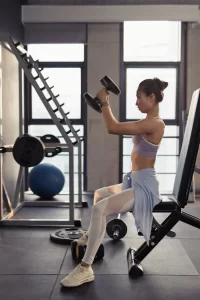
  5. Overhead Dumbbell Press – Develops shoulders and upper body stability.
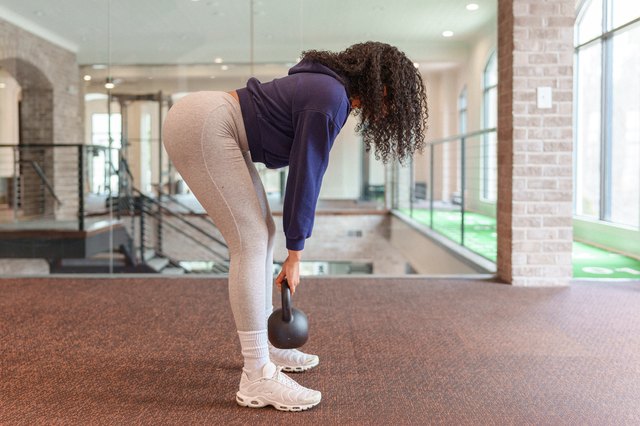
  6. Dumbbell Deadlifts – Builds strength in the hamstrings, lower back, and glutes.
  7. Dumbbell Bicep Curls & Tricep Extensions – Great for arm definition.
  8. Russian Twists with Dumbbell – Targets core muscles for stability and strength.

Each exercise can be done in 3 sets of 10–12 reps depending on your fitness level.


H2: Benefits of Full Body Dumbbell Workout

  • Saves time by hitting all muscle groups in one session.
  • Can be done at home with Solefitness dumbbells.
  • Builds lean muscle while burning calories.
  • Improves strength, balance, and flexibility.
  • Suitable for all levels, from beginners to advanced.

If you prefer machines, explore our Sole Linear Leg Press Machine Guide or Incline Row Machine Benefits for complementary training.


H2: Safety Tips for Full Body Dumbbell Workout

  • Always warm up before lifting to avoid injury.
  • Start with lighter dumbbells and increase gradually.
  • Maintain proper form over heavy weights.
  • Use a workout bench (or floor alternatives) for stability.
  • Cool down and stretch after each session – check our 5 Stretching Routines for Flexibility.

FAQs on Full Body Dumbbell Workout

Q1: Can I build muscle with just dumbbells?
A: Yes, dumbbells are highly effective for strength and muscle growth when used consistently.

Q2: How many times a week should I do a full body dumbbell workout?
A: 3–4 times weekly with rest days in between for recovery.

Q3: Are dumbbell workouts suitable for beginners?
A: Absolutely, start with light weights and focus on form before progressing.

Search for products

Back to Top
Product has been added to your cart