Morning vs Evening Workouts: Which Time Is Best for You?

Weekly Workout Plan Template – Build Your Perfect Routine with GateGold & Sole Fitness

Weekly Workout Plan Template – Build Your Perfect Routine with GateGold & Sole Fitness

Weekly Workout Plan Template – Your Guide to Consistency and Progress

   Weekly Workout Plan Template. is the secret weapon to staying consistent and achieving long-term results in your fitness journey. Whether you’re aiming to build strength, improve endurance, lose weight, or simply live a healthier lifestyle, having a well-structured plan keeps you focused and eliminates guesswork. At GateGold and Sole Fitness, we believe that a clear plan doesn’t just tell you what to do—it keeps you motivated to show up and push yourself every single week.


Why a Weekly Workout Plan Template Works

A Weekly Workout Plan Template ensures you balance all areas of fitness: strength, cardio, flexibility, and recovery. It allows you to track your progress, avoid overtraining, and make adjustments when needed. This is especially important if you’re juggling work, family, and other responsibilities but still want to prioritize your health.


Sample Weekly Workout Plan Template

Here’s an example plan you can adapt to your schedule and goals:

Monday – Strength Training (Full Body)

  • Dumbbell Squats – 3 sets of 12 reps

  • Bench Press or Push-Ups – 3 sets of 10 reps

  • Dumbbell Rows – 3 sets of 12 reps

  • Plank Hold – 3 x 45 seconds

Tuesday – Cardio & Core

Wednesday – Active Recovery

  • 20–30 minutes yoga or stretching

  • Light walking outdoors

Thursday – Lower Body Strength

  • Lunges – 3 x 12 reps per leg

  • Deadlifts – 3 x 10 reps

  • Calf Raises – 3 x 15 reps

  • Side Plank – 3 x 30 seconds per side

Friday – Cardio Intervals

  • HIIT on treadmill or stationary bike – 20 minutes

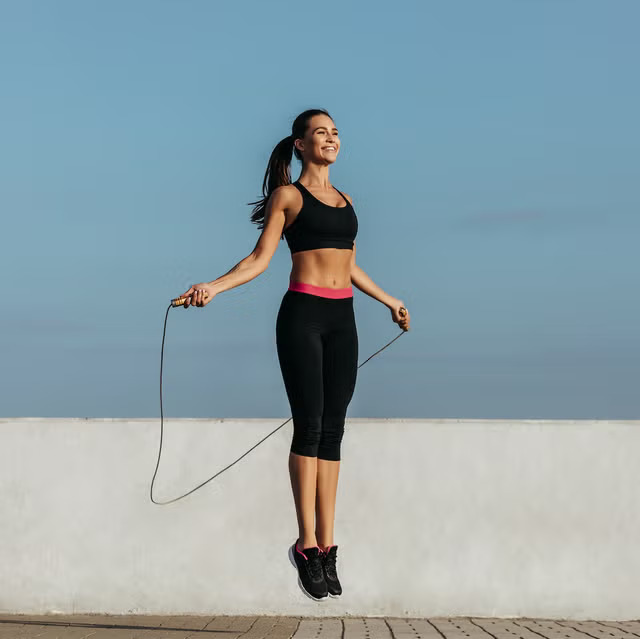
  • Jump Rope – 3 x 1 minute rounds

Saturday – Upper Body Strength

  • Dumbbell Shoulder Press – 3 x 12 reps

  • Lat Pulldown or Pull-Ups – 3 x 8 reps

  • Bicep Curls – 3 x 12 reps

  • Tricep Dips – 3 x 10 reps

Sunday – Rest Day

  • Light stretching or leisure walk


Tips for Using the Weekly Workout Plan Template

  • Adjust weights and reps based on your fitness level.

  • Keep a journal to track progress.

  • Schedule workouts like appointments so they’re non-negotiable.

  • Always warm up before and cool down after each session.


Benefits of a Weekly Workout Plan Template

  • Consistency – No wasting time deciding what to do.

  • Balance – Covers strength, cardio, and flexibility.

  • Motivation – Seeing your progress keeps you going.

  • Efficiency – Makes the most of your available time.


FAQs on Weekly Workout Plan Template

Q: Can beginners follow this weekly workout plan template?
A: Yes, beginners can follow it by reducing weights, reps, and intensity as needed.

Q: How long should I follow the same plan?
A: You can follow it for 4–6 weeks, then increase weights, change exercises, or adjust intensity for progression.

Q: Can I mix home and gym workouts in this template?
A: Absolutely—adapt the plan to your available equipment and location.

Best Cardio Machines for Home Use

Treadmill: Incline vs Flat Running – Which One Should You Choose?

Treadmill: Incline vs Flat Running – Which One Should You Choose?

Treadmill: Incline vs Flat Running – Which One Should You Choose?

Treadmill: Incline vs Flat Running is one of the most common debates among treadmill users. Both running styles have their unique benefits, and choosing between them depends on your fitness goals, endurance level, and personal preference. Whether you’re working out at home or at the gym, understanding how incline and flat treadmill settings affect your body can help you train smarter and get better results.


H2: Treadmill: Incline vs Flat Running – The Key Differences

When comparing treadmill: incline vs flat running, it’s important to note how each impacts muscle engagement, calorie burn, and cardiovascular endurance.

  • Incline Running: Simulates uphill running, engages glutes, hamstrings, and calves more, increases calorie burn, and improves strength and stamina.

  • Flat Running: Mimics outdoor road running, focuses more on speed and endurance, puts less strain on joints compared to incline.

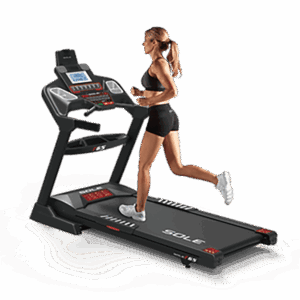
At Gategold Fitness and Sole Fitness, we offer high-quality treadmills with adjustable inclines so you can switch between both modes in seconds.


H2: Benefits of Incline Running

  1. Increased Calorie Burn – Running uphill requires more effort, which means you burn more calories in less time.

  2. Muscle Strengthening – Targets lower body muscles for better tone and strength.

  3. Improved Cardiovascular Fitness – Increases heart rate for a more challenging workout.

  4. Simulates Outdoor Terrain – Perfect for preparing for hilly outdoor runs.


 Benefits of Flat Running

  1. Better for Beginners – Easier on the joints and great for learning treadmill basics.

  2. Speed Training – Allows for sprint intervals and endurance building.

  3. Reduced Fatigue – Less strain compared to incline running, making it suitable for longer workouts.

  4. Consistent Pace – Perfect for tracking and improving running speed.


 How to Decide Between Incline and Flat Running

  • For weight loss: Start with flat running for warm-up, then switch to incline intervals for calorie burn.

  • For strength training: Focus on incline runs to build muscle endurance.

  • For speed improvement: Stick to flat running to perfect form and pace.


Internal Links (Examples for Gategold and Sole Fitness)


External Links (Trusted Resources)


 FAQ – Treadmill: Incline vs Flat Running

Q1: Which burns more calories, incline or flat running?
A: Incline running burns more calories because it requires greater effort and muscle engagement.

Q2: Is incline running bad for knees?
A: Incline running can be harder on joints, so beginners should start gradually.

Q3: How often should I switch between incline and flat running?
A: Switching between both in the same workout can improve endurance, strength, and calorie burn.


Meta Information for SEO

  • Meta Title: Treadmill: Incline vs Flat Running – Which is Better for Your Workout?

  • Meta Description: Discover the pros and cons of treadmill incline vs flat running, and learn which one is best for your fitness goals. Tips, benefits, and workout ideas included.

  • Focus Keyphrase: Treadmill: Incline vs Flat Running

Fitness Is More Than a Look

Gym Equipment for Mental Health: Boost Your Mind While Building Your Body

Gym Equipment for Mental Health: Boost Your Mind While Building Your Body

Gym Equipment for Mental Health: Boost Your Mind While Building Your Body

Gym equipment for mental health is more than a collection of weights, machines, and cardio stations—it’s a powerful toolkit for reducing stress, boosting mood, and improving overall emotional well-being. Exercise has been scientifically proven to release endorphins, the brain’s “feel-good” chemicals, and using the right equipment can make workouts more engaging and effective for mental health benefits.

Whether it’s the steady rhythm of a treadmill walk, the focused breathing of a rowing session, or the empowering push of strength training, the gym offers more than just physical transformation—it provides a mental reset.


H2: How Gym Equipment for Mental Health Supports Your Well-Being

Using gym equipment for mental health is not just about burning calories—it’s about creating a space where you can release tension, clear your mind, and feel more grounded.

  • Treadmills & Stationary Bikes: Perfect for steady-state cardio to reduce anxiety and improve mood.

  • Rowing Machines: Combine strength and cardio for a meditative, full-body workout.

  • Weight Machines & Free Weights: Strength training has been shown to reduce symptoms of depression and improve confidence.

  • Stretching Equipment: Foam rollers and resistance bands help with relaxation and flexibility.

You can read more about the benefits of cardio in our Treadmill Walking for Weight Loss guide (internal link).


H2: External Research on Exercise and Mental Health

According to the American Psychological Association, consistent physical activity is one of the most effective strategies for managing stress and preventing long-term mental health issues. The key is finding equipment and routines that you enjoy and can stick with.


H2: Tips for Using Gym Equipment for Mental Health

  1. Start Slow: Begin with 10–20 minutes of light activity and gradually increase.

  2. Choose What Feels Good: Pick equipment you enjoy to maintain consistency.

  3. Pair With Music or Podcasts: Make your sessions mentally stimulating.

  4. Track Progress: Seeing improvements in performance can boost motivation.


FAQ – Gym Equipment for Mental Health

Q1: Can gym workouts really improve mental health?
Yes. Regular exercise releases endorphins and serotonin, which help improve mood and reduce symptoms of depression and anxiety.

Q2: How often should I use gym equipment for mental health benefits?
Even 3–4 sessions per week of 30 minutes can have noticeable effects on mood and stress levels.

Q3: What is the best gym equipment for beginners focusing on mental health?
Treadmills, stationary bikes, and resistance bands are great starting points.

Q4: Can home gym equipment offer the same benefits?
Absolutely. You can get mental health benefits from home workouts using simple tools like dumbbells, yoga mats, or a stationary bike.

Fitness Is More Than a Look – Discover the True Benefits of Exercise

Fitness Is More Than a Look – Discover the True Benefits of Exercise

Fitness Is More Than a Look – Discover the True Benefits of Exercise

Fitness Is More Than a Look – Discover the True Benefits of Exercise

Fitness Is More Than a Look. it’s a journey that shapes not only your body but your mind, emotions, and overall quality of life. While society often focuses on physical appearance as the ultimate goal of exercise, the reality is far deeper. True fitness empowers you, builds resilience, improves mental health, and helps you live with energy and purpose every single day.

At Gategold and Sole Fitness, we believe that your health journey should never be reduced to numbers on a scale or the way you look in the mirror. Fitness is about how strong you feel, how confident you move, and how well you live.


 Why Fitness Is More Than a Look

When you train your body, you also train your mind. Exercise releases endorphins, reduces stress, and helps you manage anxiety. Strength training can make you feel powerful. Cardio can clear your mind after a long day. And consistency builds discipline that extends into every part of your life.

Many people start working out for appearance goals but stay for the mental clarity, confidence, and the sense of achievement it brings. According to the World Health Organization, regular physical activity reduces the risk of depression, improves sleep, and boosts overall brain function.


 Emotional Benefits of Fitness

  1. Stress Relief: Exercise helps regulate cortisol, the hormone responsible for stress.

  2. Confidence Boost: Seeing progress in strength, endurance, and health can be more rewarding than a number on the scale.

  3. Improved Mood: Physical activity stimulates brain chemicals that make you feel happier and more relaxed.

  4. Mental Resilience: Overcoming workout challenges teaches perseverance in everyday life.


 Physical Health Beyond Aesthetics

While appearance changes may be the most visible, the invisible benefits of fitness are far more important:

  • Lower risk of heart disease, diabetes, and certain cancers.

  • Stronger bones and joints.

  • Better mobility and flexibility as you age.

  • Enhanced immune system function.

Explore our Strength Training Equipment and Cardio Machines to build a healthier, stronger you.


 How to Focus on the True Benefits of Fitness

  • Set performance goals (e.g., lift heavier, run farther) instead of just aesthetic ones.

  • Celebrate progress in energy, mood, and strength.

  • Try activities you enjoy so fitness becomes a lifestyle, not a chore.

  • Track how you feel, not just how you look.


 Frequently Asked Questions (FAQ)

Q1: Why do people say fitness is more than a look?
A: Because exercise benefits mental health, emotional well-being, and long-term physical health—not just appearance.

Q2: Can I enjoy fitness without focusing on weight loss?
A: Absolutely. You can focus on strength, endurance, flexibility, and overall health instead of weight.

Q3: How do I stop comparing my fitness progress to others?
A: Shift your focus to personal goals and how you feel after workouts. Everyone’s journey is different.

Q4: What equipment should I start with for overall health?
A: A treadmill, resistance bands, or dumbbells are great for beginners. Check our Beginner Fitness Equipment for options.

10-Min HIIT for Busy Moms

Best Supplements for Women in Fitness: What You Really Need to Thrive

Best Supplements for Women in Fitness: What You Really Need to Thrive

Best Supplements for Women in Fitness: What You Really Need to Thrive

Best Supplements for Women: Strong is the new beautiful—and women all over the world are embracing fitness with power and pride. But here’s the truth many overlook: no matter how consistent your workouts are, your body needs the right internal support to grow, recover, and thrive.

That’s where supplements come in.

At Gategold and Sole Fitness, we often get asked: “What are the best supplements for women in fitness?”
Whether you’re lifting weights, doing HIIT, or just trying to stay energized through busy days, the right supplements can bridge nutritional gaps and optimize your fitness results—without overcomplicating your routine.

Let’s break down the essentials.


Why Women Need Fitness-Specific Supplement Support

While men and women share many nutritional needs, women face unique challenges:

  • Hormonal fluctuations

  • Menstrual-related nutrient loss

  • Higher risk of iron deficiency

  • Greater calcium needs for bone health

  • Often balancing fitness goals with busy family, work, and lifestyle demands

The right supplements don’t replace food—they enhance what you already eat to help you train harder, recover faster, and feel more in control of your health.


Top 7 Best Supplements for Women in Fitness


1. Whey Protein or Plant-Based Protein

Why it matters: Protein helps build and repair muscle, keeps you full longer, and supports fat loss.

Whether your goal is to tone up, slim down, or build strength, getting enough daily protein is essential—and supplements make it easier.

Recommended for:

  • Post-workout recovery

  • Meal replacement smoothies

  • Muscle preservation during weight loss

Try Sole Fitness Whey Isolate or Vegan Protein Blend—clean, fast-digesting, and delicious.


2. Iron

Why it matters: Iron supports oxygen transport and energy levels—yet many women (especially those who menstruate) are iron-deficient without knowing it.

Symptoms of deficiency: Fatigue, poor endurance, shortness of breath during workouts.

Recommended for:

  • Active women with heavy periods

  • Vegetarians and vegans

  • Anyone feeling consistently tired despite sleeping well

Pair iron with vitamin C for better absorption.


3. Magnesium

Why it matters: Magnesium supports muscle recovery, reduces cramps, boosts sleep quality, and eases PMS symptoms.

Recommended for:

  • Evening relaxation

  • Post-workout recovery

  • Stress and tension reduction

A must-have for high-stress lifestyles or anyone doing regular strength training.


4. Creatine Monohydrate (Yes, for Women!)

Why it matters: Creatine increases muscle power, improves performance, and supports lean mass growth—without “bulking” you up.

Despite myths, creatine is completely safe and beneficial for women, especially those doing resistance training.

Recommended for:

  • Strength gains

  • HIIT workouts

  • Energy boost without caffeine

Stick to 3–5g daily. You don’t need to “load” it.


5. Calcium + Vitamin D

Why it matters: Women are more prone to osteoporosis as they age. Calcium and Vitamin D work together to keep your bones strong, especially during high-impact or weight-bearing workouts.

Recommended for:

  • Women over 30

  • Anyone avoiding dairy

  • Outdoor workouts (Vitamin D helps with mood too!)

Check for D3 (not D2) in your supplement for better absorption.


6. Omega-3 Fatty Acids (Fish Oil or Algal Oil)

Why it matters: Omega-3s support heart health, reduce inflammation, and promote healthy skin, brain, and joints.

Recommended for:

  • Post-exercise inflammation

  • Hormonal balance

  • Recovery and cognitive clarity

Sole Fitness offers high-quality omega-3 capsules from trusted suppliers.


7. B-Complex Vitamins

Why it matters: B-vitamins convert food into energy, support mood, and help your body handle stress—essential for any woman juggling fitness, work, and life.

Recommended for:

  • Energy levels

  • Nervous system support

  • Mental focus and mood balance

Especially useful if you’re on a restrictive diet or plant-based.


Where to Find Trusted Supplements

Not all supplements are created equal. At Gategold and Sole Fitness, we stock only tested, quality-assured products that meet global standards and serve real results.

 Shop at:

Browse women-friendly protein powders, multivitamins, creatine, omega-3s, and recovery blends—all delivered to your door.


Tips for Taking Supplements the Smart Way

  • Stick to recommended doses—more isn’t always better

  • Combine supplements with balanced meals for optimal effect

  • Stay consistent (results build over time)

  • Hydrate—especially if you’re taking protein or creatine

  • Always check with a healthcare provider if pregnant, breastfeeding, or managing a medical condition


Final Thoughts: You Deserve to Feel Strong, Energized, and in Control

The best supplements for women in fitness aren’t about chasing perfection—they’re about supporting your body through every workout, every phase, and every challenge.

Whether you’re lifting weights, doing yoga, training for your first race, or simply trying to feel your best, you deserve tools that make your journey easier—not harder.

At Gategold and Sole Fitness, we’re here to support your strength, recovery, and long-term wellness—from high-quality supplements to expert advice.


 Got questions about what to take and when?

DM us on Instagram @gategoldfitness or @solefitnessng. We’ll help you build a supplement routine that fits your fitness goals and lifestyle.


 Ready to build strength from the inside out?

Explore our women-focused supplement collection at www.gategoldng.com and www.solefitness.com.ng.
 Nationwide delivery available.

Nutrition for Strength: Fuel Your Gains the Right Way

Nutrition for Strength: Fuel Your Gains the Right Way

Nutrition for Strength: Fuel Your Gains the Right Way

  “Nutrition for Strength“. You’ve been putting in the work—lifting heavy, training hard, staying consistent. But here’s the reality: you can’t build real strength on an empty tank.

At Gategold and Sole Fitness, we’ve seen it countless times. People crush their workouts, but their progress plateaus. Why? Because **training breaks your body down—**and nutrition builds it back up.

If you want to lift more, move better, and feel stronger, you need to treat your food like you treat your training: with purpose. Let’s break down the essentials of nutrition for strength so you can fuel your performance and maximize your gains.


Why Nutrition Matters for Strength

Building strength isn’t just about muscles—it’s about giving your body the raw materials it needs to grow, repair, and push harder every session.

Here’s what the right nutrition does:

  •  Fuels intense workouts and boosts endurance

  •  Repairs damaged muscle fibers and supports growth

  •  Keeps energy levels stable throughout the day

  •  Enhances focus, hormone function, and recovery

No matter how well you train, poor nutrition = limited strength gains.


The 3 Macronutrients That Matter Most

Let’s break down the big three when it comes to nutrition for strength:


1. Protein – The Foundation of Muscle Repair

Aim for: 1.6–2.2g of protein per kg of bodyweight daily

Protein is essential for rebuilding muscle tissue after your workouts. Think of it as the bricks in the house you’re building.

Best sources:

  • Chicken, turkey, lean beef

  • Eggs and egg whites

  • Greek yogurt and cottage cheese

  • Plant-based: tofu, lentils, chickpeas, tempeh

  • Whey protein (a convenient post-workout option)

Pro Tip: Try to include protein in every meal, especially post-workout.


2. Carbohydrates – Your Strength Fuel

Aim for: 3–6g of carbs per kg of bodyweight depending on training intensity

Carbs are your primary energy source—they power your lifts and refill your muscles’ glycogen stores.

Best sources:

  • Rice, potatoes, quinoa

  • Oats, whole grain bread, pasta

  • Fruits (bananas, berries, apples)

  • Vegetables and legumes

Don’t fear carbs. They’re the fuel your muscles crave—especially before and after training.


3. Fats – Hormone Health and Recovery

Aim for: About 20–30% of your daily calories

Fats support hormone production (like testosterone) which plays a huge role in strength and recovery.

Best sources:

  • Avocados

  • Nuts and seeds

  • Olive oil, coconut oil

  • Fatty fish (salmon, sardines)

Healthy fats = healthy hormones = stronger you.


Meal Timing for Strength Training

When you eat is almost as important as what you eat.
Here’s a simple guide:

Pre-Workout (30–90 mins before):

  • Focus on carbs + moderate protein, low fat

  • Example: Oats with banana + a scoop of protein

Post-Workout (within 1 hour):

  • Focus on protein + fast-digesting carbs

  • Example: Whey protein + white rice or toast + fruit

Before Bed:

  • Slow-digesting protein to aid overnight muscle repair

  • Example: Greek yogurt or cottage cheese

Feed your body around your workouts to optimize strength gains and reduce muscle soreness.


Don’t Forget Hydration

Even mild dehydration can reduce strength and focus in the gym.
Aim for 3–4 liters of water per day, more if you sweat heavily.

Hydration = power.


Supplements for Strength (Optional, Not Essential)

While whole foods come first, supplements can support your strength journey:

  • Whey Protein – Fast, effective muscle recovery

  • Creatine Monohydrate – Proven to increase power and strength

  • Omega-3s – Anti-inflammatory support for joints and muscles

  • Vitamin D & Magnesium – Boost bone strength and muscle function

You can find high-quality fitness supplements and nutrition support gear at Sole Fitness and Gategold—we stock what we trust.


Putting It All Together: Sample Strength Day Meal Plan

Time Meal Example
7:00 AM Oats + banana + boiled eggs
10:00 AM Greek yogurt + almonds
1:00 PM Grilled chicken + brown rice + broccoli
4:00 PM (Pre) Rice cakes + peanut butter + whey protein
6:00 PM (Post) Whey shake + white rice + fruit
8:30 PM Salmon + sweet potato + spinach
10:00 PM Cottage cheese + chia seeds

 Adjust portions to your personal calorie needs and training volume.


Final Thoughts: You Can’t Outlift a Bad Diet

Strength is built on two platforms: training and nutrition.
You need both to make real progress.

So if you’re serious about getting stronger, start treating your nutrition like it’s part of your workout. Because it is.

At Gategold and Sole Fitness, we’re here to support not just how you move—but how you fuel that movement. Whether it’s through top-quality equipment, trusted supplements, or expert education like this—we’ve got your back.


 Have questions about strength nutrition?

Message us on Instagram @gategoldfitness or @solefitnessng. We’d love to help you build your best body—inside and out.

 Need supplements, shakers, or meal prep gear?

Explore our products at www.gategoldng.com or www.solefitness.com.ng — Your strength starts in the kitchen.

Sole Recumbent Bike Deep Dive

Real Fitness Takes Time: How to Stay on Track Without Rushing the Process

Real Fitness Takes Time: How to Stay on Track Without Rushing the Process

In an age of instant gratification and 30-day transformations, it’s tempting to think that fitness results should come fast—or that if they don’t, something is wrong with you. But here’s the truth: real fitness takes time. And that’s not a bad thing. It means you’re doing it right—building habits, strength, and resilience that will last a lifetime.

If you’re feeling impatient or discouraged by slow progress, you’re not alone. This post is your reminder that fitness is a journey, not a race—and the best results are the ones you earn steadily, not quickly.


1. Why Quick Fixes Don’t Stick

You’ve probably seen ads promising six-pack abs in 14 days or extreme weight loss in a week. These quick fixes often rely on unsustainable methods—like starvation diets, overtraining, or dehydration tricks. They may show fast results, but they almost always lead to burnout or rebound.

Real fitness isn’t about speed—it’s about sustainability. The goal isn’t to get fit for a month; it’s to stay strong, healthy, and active for life.


🧠 2. Patience Builds Discipline—and That’s the Real Win

When you learn to wait, stay consistent, and show up even when results are slow, you’re building something more valuable than muscle—you’re building discipline. And discipline is what turns short-term effort into long-term transformation.

Each workout you do when motivation is low, every healthy meal you choose when it would be easier not to—that’s progress. And it’s these moments that lead to real, lasting change.


💪 3. Progress Happens in Small, Powerful Steps

You might not see a dramatic transformation in a week, but maybe:

  • You lifted heavier than last time

  • You didn’t skip a workout this week

  • You’re sleeping better

  • You’re thinking clearer

  • Your clothes fit differently

  • You feel stronger mentally

These are real victories. They may be subtle at first, but over time, they add up to incredible change.


🔄 4. Comparison Is the Thief of Progress

Everyone’s body responds to fitness differently. Some lose weight fast, others build strength slowly. Some have more time, fewer responsibilities, or different genetics. If you constantly compare your pace to others, you’ll always feel like you’re falling behind.

Focus on your own lane. Track your own progress. Celebrate your wins, no matter how small.


🧘 5. Rest and Recovery Are Part of the Process

It might seem like more workouts = faster results, but that’s a myth. Your body needs time to rebuild and grow stronger. Rest days, sleep, hydration, and stretching are all essential to your success.

When you rest intentionally, you prevent injuries, reduce burnout, and give your body the recovery it needs to keep going for the long haul.


🎯 6. Set Realistic Goals with Long-Term Focus

Short-term challenges can be motivating, but they shouldn’t be your only strategy. Instead of “I want to lose 10kg in 2 weeks,” try:

  • “I want to work out 4 times a week for the next 3 months”

  • “I want to feel more energetic and sleep better”

  • “I want to build strength and reduce stress”

Shift your mindset from results to routines. When your goal is consistency, results follow naturally.


❤️ Final Thoughts: Progress, Not Perfection

Your journey is valid even if it’s slow, even if no one else sees it yet, and even if you’ve had setbacks. Real fitness takes time because real change takes time.

Give yourself the grace to grow at your own pace. Show up. Keep learning. Keep moving.

Because slow progress is still progress—and it’s the kind that lasts.

Visit our showrooms in Lagos, Abuja, Port Harcourt, Onitsha, and other branches nationwide. We deliver nationwide

Gym Etiquette: What Not to Do

Embracing the Fitness Journey: How to Stay Committed for Life, Not Just for Quick Results

Fitness Is a Journey, Not a Race: How to Stay Committed

In a world obsessed with quick fixes, overnight transformations, and “summer body” countdowns, it’s easy to feel pressured to achieve fitness results fast. But the truth is—fitness is a journey, not a race. Real, lasting results take time, patience, and consistency. Whether you’re just starting out or you’ve hit a plateau, staying committed to your fitness journey requires the right mindset, realistic expectations, and a deeper understanding of why you started in the first place.


1. Shift Your Mindset From Instant Results to Long-Term Health

One of the biggest barriers to fitness success is the expectation of instant gratification. Social media often glamorizes dramatic before-and-after photos without showing the effort behind them. But real transformation is built on small daily choices: choosing a healthy meal, pushing through a tough workout, or getting enough sleep.

Start by redefining success. Instead of focusing only on the number on the scale or how fast you can get abs, celebrate how much stronger, more energetic, and mentally resilient you’re becoming.


2. Set Realistic and Meaningful Goals

Your goals should motivate you—not stress you out. Break big goals into smaller, manageable milestones. For example:

  • Instead of “I want to lose 10kg in a month,” try “I want to move my body at least 4 times this week.”

  • Instead of “I want to lift heavy,” try “I want to increase my squat weight by 5kg this month.”

By celebrating small wins, you’ll stay motivated and feel accomplished along the way.


3. Embrace the Process, Not Just the Outcome

The real magic happens in the process—the early mornings, the sweat, the moments when you didn’t feel like working out but did it anyway. Each day you show up, you’re building discipline, mental toughness, and self-respect.

Focusing only on the outcome can make the journey feel like a chore. But when you embrace the journey, the workouts become part of who you are—not just a task to check off.


4. Accept Setbacks as Part of the Journey

There will be days when you miss a workout. There will be weeks where life throws you off track. That’s normal—and expected. The key is not to let setbacks define you. Progress isn’t about perfection; it’s about returning, again and again, to your purpose.

Use every obstacle as a lesson. Did stress lead to emotional eating? Did travel interrupt your routine? Learn from it and move forward. Growth happens when you push through, not when you give up.


5. Make It Sustainable, Not Extreme

Extreme diets, intense workout programs, or unrealistic expectations often lead to burnout. Instead, create a fitness lifestyle you can actually live with. This includes:

  • Eating nourishing meals that satisfy you.

  • Exercising in ways you actually enjoy—whether that’s lifting weights, dancing, cycling, or walking.

  • Taking rest days when your body needs recovery.

  • Finding balance between fitness and fun.

Sustainability is what keeps you committed in the long run.


6. Surround Yourself with Support

Staying committed is easier when you’re not doing it alone. Whether it’s a workout partner, a supportive coach, or an online fitness community—surround yourself with people who encourage your progress.

You can also follow fitness pages like Gategold, SoleFitness, or BuyFitness for daily motivation, workout ideas, and quality equipment that makes your fitness journey smoother and more enjoyable.


7. Remember Why You Started

When motivation fades, remind yourself of your “why.” Was it to feel more confident? Be more active with your kids? Improve your health markers? Strengthen your mental health? Whatever your reason, reconnect with it often. Write it down. Say it out loud. Let it guide you when things get tough.


Final Thoughts

Fitness is not a competition. It’s a lifelong commitment to becoming the best version of yourself. There will be ups and downs, fast progress and slow seasons—but if you stay consistent, patient, and kind to yourself, you’ll always move forward.

So, take a breath, trust the process, and keep going. Because in the journey of fitness, every step counts

Visit our showrooms in Lagos, Abuja, Port Harcourt, Onitsha, and other branches nationwide. We deliver nationwide

Discover why a functional trainer is a must-have for any home or commercial gym. Learn how it boosts strength, saves space, and supports all fitness levels

Unlocking Versatility: Why Every Home and Commercial Gym Needs a Functional Trainer

Unlocking Versatility: Why Every Home and Commercial Gym Needs a Functional Trainer

In today’s evolving fitness world, versatility and efficiency are more valuable than ever — whether you’re equipping a commercial facility or curating your personal workout space. One piece of equipment that stands out in both settings is the functional trainer. Often underestimated, this machine offers far more than meets the eye, and it’s quickly becoming a must-have in modern gyms. So, if you’re still wondering whether it’s worth the investment, here’s why adding a functional trainer to your gym is a game-changer.


What Is a Functional Trainer?

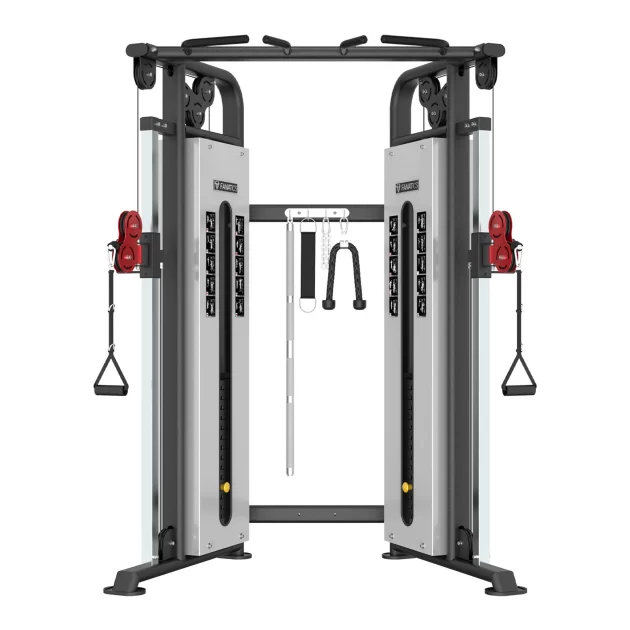
A functional trainer is a multi-purpose strength training machine equipped with adjustable pulleys and cables. It allows users to perform a wide variety of exercises targeting every major muscle group — with the freedom of movement that closely mimics real-life, functional activities like lifting, twisting, pushing, or pulling.

It typically includes attachments like handles, ropes, and bars, making it adaptable to hundreds of movements. Functional trainers are suitable for beginners, advanced athletes, physical therapy patients, and general fitness enthusiasts alike.


1. Maximum Versatility in a Compact Footprint

One of the biggest selling points of a functional trainer is that it replaces multiple machines. From chest presses and lat pulldowns to squats, bicep curls, and core rotations — you can do it all. This makes it an excellent choice for home gyms with limited space and commercial gyms that want to offer more in less square footage.

Whether you’re working out in your garage or running a fitness center, a functional trainer saves space without compromising variety.


2. Suitable for All Fitness Levels and Goals

Functional trainers offer adjustable resistance levels, making them ideal for users of all experience levels. Whether your goal is to build muscle, burn fat, recover from injury, or increase flexibility, this equipment adapts to your needs.

  • Beginners benefit from the guided motion and low-impact design.

  • Advanced users enjoy the ability to perform complex, compound movements.

  • Rehab and senior users find it safer for joints and easy to control.

It’s one of the few machines that bridges the gap between rehabilitation and performance training.


3. Builds Strength Through Functional Movement

Unlike traditional machines that isolate muscles in fixed patterns, functional trainers allow free movement in multiple planes. This helps strengthen your body as a unit, improving balance, coordination, and core stability — essential for everyday tasks and athletic performance.

Think about lifting groceries, playing sports, or simply carrying a child — the movements you train on a functional trainer translate directly to real-life strength.


4. Enhances Core Engagement with Every Exercise

Because you’re not locked into a fixed position, your core must stabilize your body during every movement. Whether you’re doing standing rows, cable chops, or single-arm presses, the core is always activated.

This consistent engagement makes it easier to:

  • Improve posture

  • Reduce lower back pain

  • Enhance athletic performance

  • Build a solid foundation for other lifts


5. Safe and Beginner-Friendly

Unlike free weights that require strict form and spotters, functional trainers guide your movement, reducing the risk of injury. The controlled environment is less intimidating for new users and allows safer experimentation with exercises.

Plus, the machine comes with clear instructions and color-coded weight stacks, so there’s no confusion about how to start or progress.


6. Cost-Effective Investment for Any Gym

While functional trainers may seem like a higher upfront cost, they replace multiple machines and tools — making them a smart long-term investment. For commercial gyms, that means fewer machines to purchase and maintain. For home gyms, it means getting a full-body workout without crowding your space.

It’s one piece of equipment with nearly unlimited training potential.


7. Easily Customizable for Group or Solo Workouts

Whether you’re training clients one-on-one, running circuit classes, or working out alone, functional trainers are easily adjustable to suit different users and workouts back-to-back. You can switch attachments and adjust pulley positions in seconds, making it a time-efficient tool in busy environments.


Final Thoughts: A Must-Have for Modern Fitness Spaces

In a world where efficiency, variety, and results matter, a functional trainer is one of the smartest additions you can make to your gym. Its adaptability, safety, and total-body training potential make it valuable for both beginners and elite athletes, in both home and commercial settings.

If you’re building a serious fitness space — whether in your home, hotel, studio, or corporate gym — don’t overlook this powerhouse. With a functional trainer, you’re not just buying equipment — you’re investing in endless possibilities.


Recommended Functional Trainers Available at Gategold/SoleFitness/BuyFitness:

  • Multi-Functional Cable Crossover Machines

  • Smith Machine + Functional Combo Systems

  • Compact Dual Pulley Functional Trainers

Visit our showrooms in Lagos, Abuja, Port Harcourt, Onitsha, and other branches nationwide. We deliver nationwide

Body Type Quiz: Discover Your Fitness Blueprint

How to Use Resistance Bands Effectively

How to Use Resistance Bands Effectively

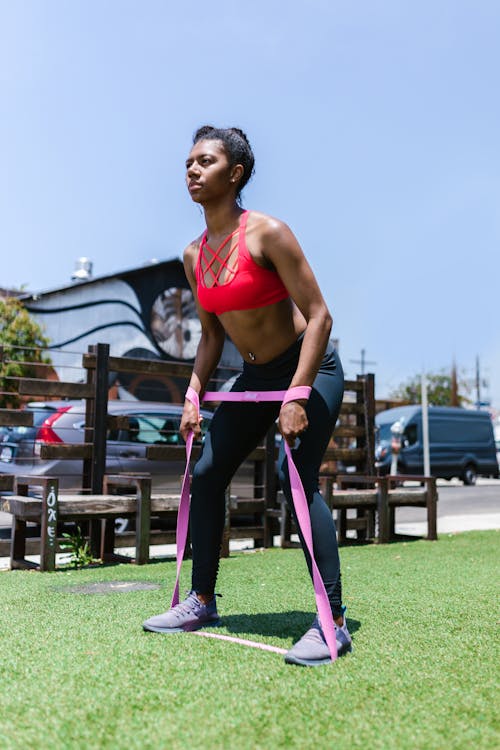
In the world of fitness, resistance bands are one of the most underrated yet powerful tools. Lightweight, affordable, and incredibly versatile, they can be used to build strength, improve flexibility, recover from injury, or simply elevate your home workouts. But to truly get results, it’s important to understand how to use resistance bands effectively.

Whether you’re a beginner or a seasoned athlete, resistance bands can replace weights or supplement your routine with added resistance in controlled motion. In this guide, we’ll explore the benefits of resistance bands, how to use them correctly, and a few must-try exercises for full-body conditioning.


💪 Benefits of Resistance Bands

Before diving into how to use them, it’s worth understanding why resistance bands are so effective:

  • They engage stabilizing muscles

  • Suitable for all fitness levels

  • Portable and travel-friendly

  • Gentle on joints – great for rehab

  • Provide constant tension throughout movement

  • Affordable and space-saving


🎯 Types of Resistance Bands

To use resistance bands effectively, first choose the right type for your needs:

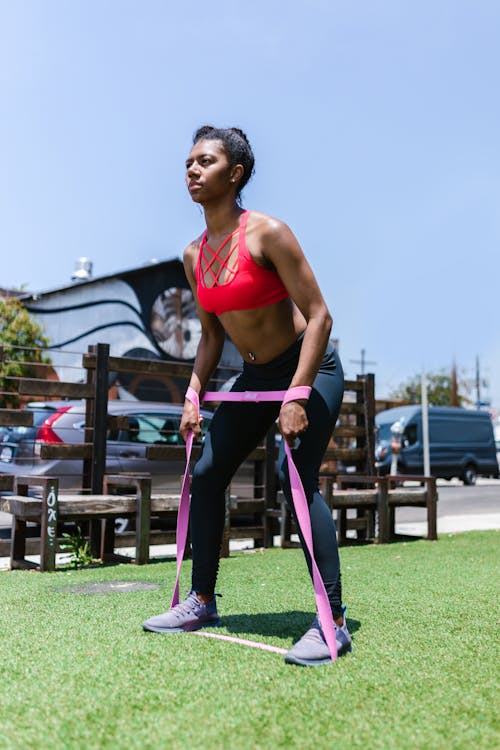
  1. Loop Bands (Mini Bands): Great for lower body workouts like glute bridges or lateral walks.

  2. Tube Bands with Handles: Ideal for upper body exercises like bicep curls and chest presses.

  3. Flat Therapy Bands: Commonly used in physical therapy and rehabilitation.

  4. Figure-8 Bands: Short bands for arm and upper body toning.

  5. Pull-Up Assist Bands: Long and heavy-duty, used to support bodyweight exercises like pull-ups.

Each type serves a unique purpose, and having a mix allows for a more complete workout routine.


✅ How to Use Resistance Bands Effectively

1. Start with the Right Resistance Level

Bands come in varying resistance levels (light, medium, heavy). Beginners should start light and gradually increase as they gain strength. Too much resistance too soon can affect form and reduce effectiveness.

2. Control the Movement

Avoid jerking or snapping motions. Slow, controlled movements ensure you’re targeting the right muscles and maintaining proper tension throughout.

3. Engage Core Muscles

No matter the exercise, always engage your core. This improves balance, posture, and overall workout performance—especially with resistance bands where tension can shift quickly.

4. Anchor Bands Properly

Secure bands under your feet, around a stable door, or with an anchor to prevent slipping. Improper anchoring can cause injury or reduce resistance.

5. Breathe and Focus on Form

Just like with free weights, exhale during the exertion phase and inhale as you return to start. Focus on form rather than how many reps you do.


🏃‍♂️ Full-Body Resistance Band Exercises

Here are a few effective exercises to try:

🔹 Glute Bridge with Loop Band

Place a mini band above your knees. Lie flat, knees bent, and push your hips upward while pushing your knees outward. Great for glutes and hamstrings.

🔹 Standing Row with Tube Band

Anchor band to a door. Hold handles, step back, and pull toward your torso while squeezing your shoulder blades.

🔹 Resistance Band Squat

Step on the band with both feet shoulder-width apart. Hold handles or band at your shoulders and perform a squat.

🔹 Chest Press

Anchor band behind your back or on a door. Push arms forward like a traditional chest press.

🔹 Lateral Band Walks

Place a mini band above ankles. Take small side steps while keeping tension on the band to work glutes and hips.


🧘‍♀️ Resistance Bands for Stretching and Mobility

Aside from strength, resistance bands can also improve mobility and flexibility:

  • Use flat therapy bands for hamstring or quad stretches

  • Perform shoulder dislocations with light bands to improve range of motion

  • Add resistance to yoga poses for deeper muscle engagement

These techniques are especially helpful for warm-ups, cooldowns, or injury recovery.


🏡 Perfect for Home and Gym Use

At Gategold, SoleFitness, and BuyFitnessProducts.com, we offer high-quality resistance bands designed for durability and maximum performance. Whether you’re looking to enhance your home gym or add variety to your training routine, resistance bands are a smart, space-efficient choice.


🔚 Final Thoughts

Understanding how to use resistance bands effectively can transform your workouts. They’re not just beginner tools—they’re performance enhancers that improve strength, control, and mobility. Start simple, stay consistent, and you’ll quickly see the impact on your overall fitness.


Need help choosing the right resistance bands for your goals?
Visit BuyFitnessProducts.com, contact Gategold Nigeria, or shop directly with SoleFitness for professional guidance and high-quality gear.

Visit our showrooms in Lagos, Abuja, Port Harcourt, Onitsha, and other branches nationwide. We deliver nationwide

Search for products

Back to Top
Product has been added to your cart